What Is Landscape Portraiture and Why It Matters
What Is Landscape Portraiture and Why It Matters ! Woman standing on riverbank at dusk Traveling through Iceland offers more than breathtaking views.
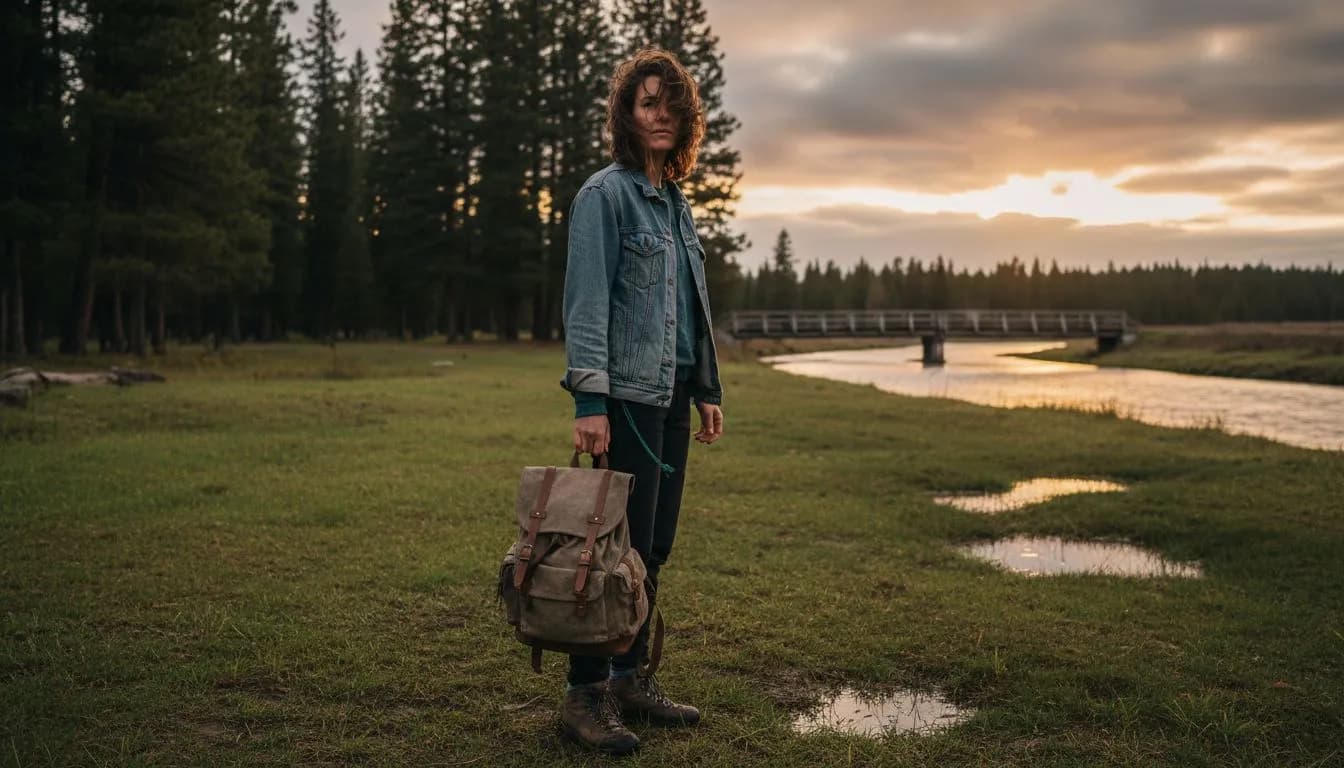
Traveling through Iceland offers more than breathtaking views. Many adventurers crave portraits that reveal not just their presence, but their emotional connection to the stunning Icelandic landscapes. Landscape portraiture transforms visual memories, blending the human story with settings that echo mood, identity, and journey. This guide uncovers how thoughtful subject placement, environmental context, and creative composition can turn your Iceland trip into a series of profound visual narratives. Explore how nature and personal experience unite in every frame.
Table of Contents
- Defining Landscape Portraiture In Photography
- Popular Types And Creative Approaches
- Key Elements: Storytelling And Visual Impact
- Planning A Memorable Landscape Portrait Session
- Common Pitfalls And How To Avoid Them
Key Takeaways
| Point | Details |
|---|---|
| Understanding Landscape Portraiture | It merges human subjects with nature, creating emotional and contextual depth. |
| Creative Approaches | Various styles, such as wide panoramas and minimalist interactions, influence mood and narrative. |
| Planning and Preparation | Thorough location scouting and subject coaching are essential for impactful portraits. |
| Avoiding Common Pitfalls | Be mindful of natural light and compositional distractions to enhance authenticity and connection. |
Defining Landscape Portraiture in Photography
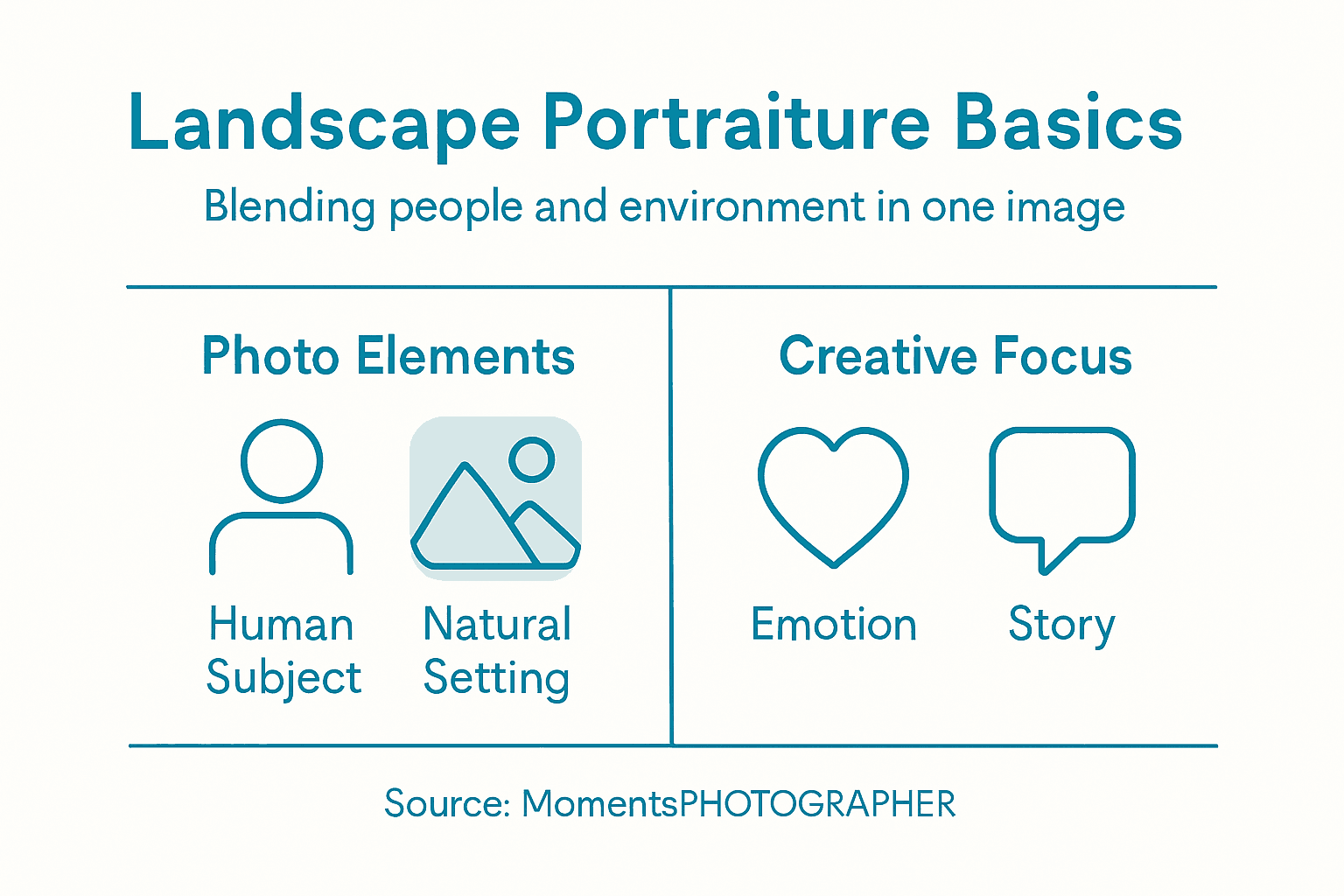
Landscape portraiture represents a sophisticated photographic approach that blends human subjects with environmental storytelling, creating visual narratives that transcend traditional portrait conventions. By strategically integrating individuals within expansive natural settings, photographers transform ordinary images into profound expressions of human connection and spatial context.
At its core, landscape portraiture goes beyond simply placing a person in a scenic backdrop. This artistic technique explores intersection of portraiture and landscape by using environmental elements to amplify emotional depth and cultural significance. The landscape becomes more than just scenery - it becomes an active participant in storytelling, revealing aspects of identity, mood, and personal narrative.
Key characteristics of landscape portraiture include:
- Strategic subject placement within natural environments
- Emphasis on environmental context and emotional resonance
- Exploration of human relationship with surrounding landscapes
- Capturing complex interactions between individual and environment
- Using natural light and terrain to enhance visual storytelling
Historically, landscapes transitioned from mere backdrops to independent artistic subjects. This evolution allowed photographers to develop nuanced techniques that integrate human subjects more meaningfully within expansive natural scenes. Landscape portraiture emerged as a powerful medium for expressing cultural identity, personal journeys, and intrinsic human connections to place.
Pro tip: When creating landscape portraits, focus on how the environment reflects and enhances your subject’s inner emotional landscape, not just their physical presence.
Popular Types and Creative Approaches
Landscape portraiture encompasses diverse photographic styles that transform natural environments into powerful narrative canvases. Contemporary landscape photography explores multiple creative approaches, each offering unique perspectives on human interaction with surrounding landscapes.
Photographers have developed several distinctive types of landscape portraiture:
- Wide Panoramic Compositions: Capturing expansive scenes that dwarf human subjects
- Intimate Environmental Portraits: Highlighting human connection within specific natural settings
- Abstract Landscape Integrations: Blending human form with environmental textures and patterns
- Narrative Landscape Storytelling: Using landscape elements to convey personal or cultural stories
- Minimalist Landscape Interactions: Emphasizing subtle human presence within stark environments
Technical considerations play a crucial role in these approaches. Compositional techniques like strategic subject placement, understanding light dynamics, and selecting complementary environmental backgrounds can dramatically transform a simple portrait into a profound visual narrative. By carefully managing visual elements, photographers create images that transcend traditional portraiture.
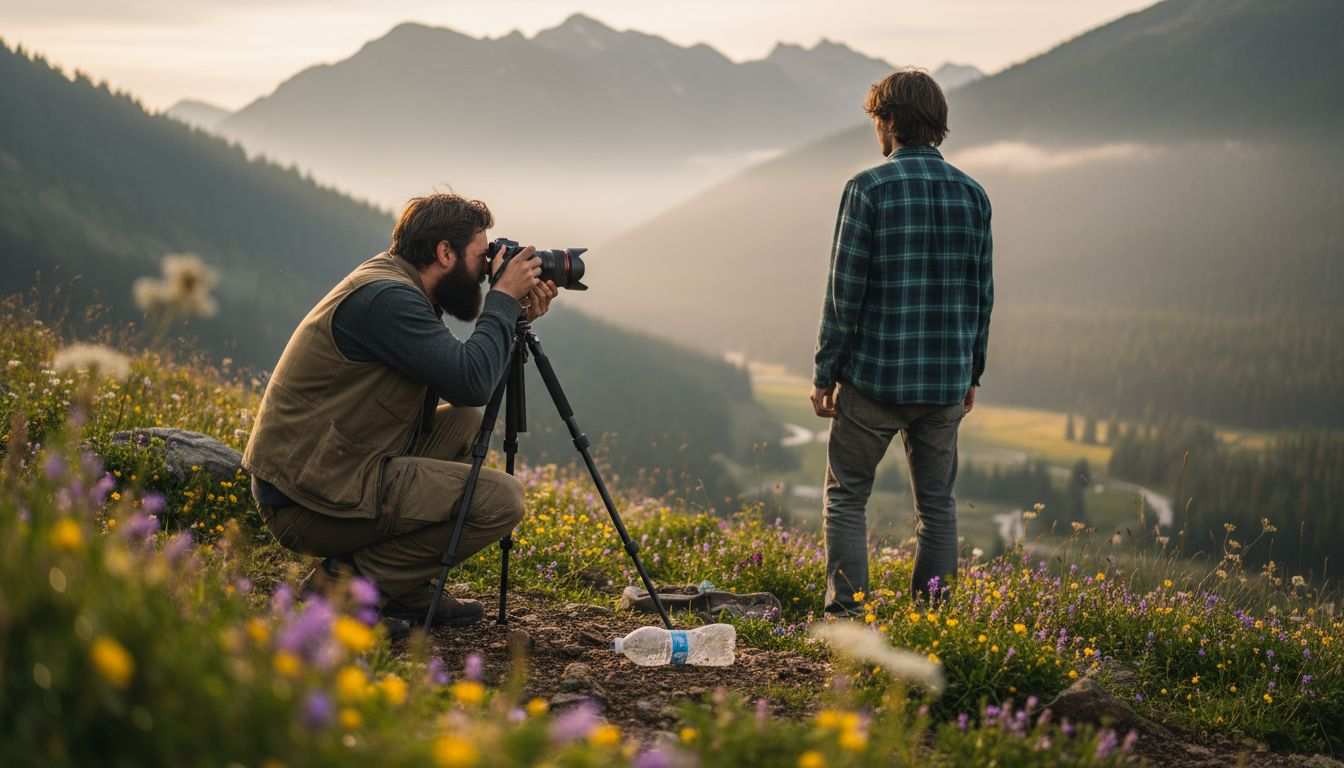
The goal of these creative approaches is not merely documentation but deep emotional and conceptual exploration. Each landscape portrait becomes a complex dialogue between human experience and natural environments, revealing intricate relationships that extend far beyond physical representation.
Here’s a comparison of popular creative approaches in landscape portraiture and how they influence the mood of the resulting photograph:
| Creative Approach | Typical Subject Placement | Mood or Visual Effect |
|---|---|---|
| Wide Panoramic Composition | Small figure in vast scenery | Awe, insignificance, wonder |
| Intimate Environmental Portraits | Close within key landscape features | Personal, warm, connected |
| Abstract Landscape Integration | Blended shapes/textures | Surreal, mysterious, artistic |
| Minimalist Landscape Interaction | Subject within open negative space | Quiet, contemplative, calm |
Pro tip: When creating landscape portraits, experiment with different scales and perspectives to reveal unexpected connections between human subjects and their surrounding environments.
Key Elements: Storytelling and Visual Impact
Landscape portraiture transcends mere visual documentation, becoming a powerful medium for narrative expression through carefully orchestrated visual elements. Photographic composition techniques transform landscapes into profound storytelling platforms that communicate complex emotional and personal narratives.
Key visual elements that drive storytelling in landscape portraiture include:
- Spatial Relationships: Positioning subjects to reveal interactions with environment
- Color Palette: Using natural tones to convey mood and emotional resonance
- Lighting Dynamics: Manipulating natural and artificial light to create depth
- Symbolic Environmental Details: Incorporating landscape elements that represent personal meaning
- Perspective and Scale: Demonstrating human vulnerability or strength within natural contexts
The visual impact of landscape portraiture emerges from its ability to communicate beyond literal representation. Narrative composition requires photographers to think strategically about how each visual element contributes to the broader story, transforming landscapes from passive backgrounds into active storytelling partners.
Ultimately, successful landscape portraits reveal deeper truths about human experience, cultural identity, and our intrinsic connection to natural environments. They invite viewers to explore complex emotional landscapes, bridging personal narratives with universal human experiences through carefully crafted visual language.
Pro tip: Practice identifying symbolic environmental elements that can add deeper narrative layers to your landscape portraits.
Planning a Memorable Landscape Portrait Session
Creating a memorable landscape portrait requires meticulous preparation and a strategic approach that goes beyond standard photography techniques. Photographic session planning involves carefully considering multiple technical and creative elements that transform an ordinary shoot into an extraordinary visual narrative.
Essential preparation steps for a successful landscape portrait session include:
- Location Scouting: Identifying landscapes that complement subject’s personality
- Timing and Lighting: Planning around optimal natural light conditions
- Weather Considerations: Understanding how environmental conditions impact visual storytelling
- Technical Equipment: Selecting appropriate gear for specific landscape environments
- Subject Preparation: Coaching subjects on interaction with landscape elements
Narrative preparation demands deep collaboration between photographer and subject. By understanding personal stories, cultural backgrounds, and emotional connections to specific environments, photographers can craft portraits that transcend mere visual documentation and become profound personal expressions.
The most compelling landscape portraits emerge from a harmonious blend of technical skill, artistic vision, and genuine human connection. Successful sessions require photographers to be part technician, part storyteller, creating images that reveal deeper emotional landscapes beyond what is immediately visible.
To help you plan a compelling landscape portrait session, here’s a summary of how key preparation steps impact the final portrait:
| Preparation Step | Effect on the Final Image | Risk if Overlooked |
|---|---|---|
| Location Scouting | Ensures meaningful environmental match | Uninspiring or generic visuals |
| Timing and Lighting | Reveals best natural tones and textures | Flat, dull, or harsh shadows |
| Subject Preparation | Promotes authentic emotion and story | Disconnected or awkward poses |
| Gear Selection | Ensures technical quality and safety | Technical flaws or equipment loss |
Pro tip: Always conduct a pre-shoot consultation to understand your subject’s personal narrative and emotional relationship with the chosen landscape.
Common Pitfalls and How to Avoid Them
Landscape portraiture demands nuanced technical and creative skills, with numerous potential challenges that can compromise image quality and narrative impact. Photographic composition challenges represent critical areas where photographers must develop strategic approaches to maintain visual authenticity and emotional depth.
Common pitfalls in landscape portraiture include:
- Over-Posing: Creating artificially stiff or unnatural subject positions
- Lighting Misjudgment: Failing to leverage natural light effectively
- Compositional Distractions: Allowing background elements to compete with the subject
- Emotional Disconnection: Prioritizing technical perfection over narrative authenticity
- Environmental Misalignment: Choosing landscapes that don’t resonate with subject’s story
Technical awareness becomes crucial in mitigating these challenges. Photographers must develop an intuitive understanding of how environmental elements interact with human subjects, creating images that feel organic and emotionally resonant rather than manufactured or contrived.
Successful landscape portraiture requires a delicate balance between technical precision and creative spontaneity. By anticipating potential obstacles and developing adaptive strategies, photographers can transform potential limitations into opportunities for unique and compelling visual storytelling.
Pro tip: Always scout locations in advance and conduct pre-shoot test shots to identify and resolve potential compositional challenges.
Capture Your Unique Story Through Landscape Portraiture
Struggling to find a photography experience that truly reflects your personal journey and connection to nature? The challenges outlined in “What Is Landscape Portraiture and Why It Matters” highlight common pain points like achieving authentic emotional storytelling and blending human presence seamlessly with breathtaking environments. Lucy MomentsPHOTOGRAPHER specializes in turning these challenges into visual masterpieces by crafting intimate and expansive portraits that celebrate your story amid Iceland’s rugged beauty.

Explore how Lucy MomentsPHOTOGRAPHER transforms your emotions and identity into timeless landscape portraits. Dive deeper into the art of storytelling through photography with insights on narrative composition techniques that emphasize your authentic connection to place. Ready to create memorable imagery that goes beyond traditional portraits Visit Lucy MomentsPHOTOGRAPHER today to book your personalized session and start your adventure in visual storytelling now.
Frequently Asked Questions
What is landscape portraiture in photography?
Landscape portraiture is a photographic technique that merges human subjects with their natural environments, creating visual narratives that reflect emotional depth and cultural significance. This approach integrates individuals within expansive settings to enhance storytelling.
How can I create compelling landscape portraits?
To create compelling landscape portraits, focus on strategic subject placement, understand how natural light affects your composition, and aim to capture the emotional connection between your subject and the environment. Planning and collaboration with your subject are also key factors.
What are the main elements to consider in landscape portraiture?
Key elements in landscape portraiture include spatial relationships between the subject and the environment, the color palette for emotional resonance, lighting dynamics for depth, symbolic details that add meaning, and perspective and scale to convey vulnerability or strength.
What are common challenges in landscape portraiture, and how can I avoid them?
Common challenges include over-posing subjects, misjudging lighting, compositional distractions, emotional disconnection from the narrative, and choosing mismatched landscapes. To avoid these, scout locations, plan lighting, and prioritize genuine interactions with your subjects.