How to prepare for Iceland photoshoots: your ultimate guide
How to prepare for Iceland photoshoots: your ultimate guide ! Photographer packing camera gear outdoors in Iceland Iceland doesn't give you a second chance at the perfect shot.
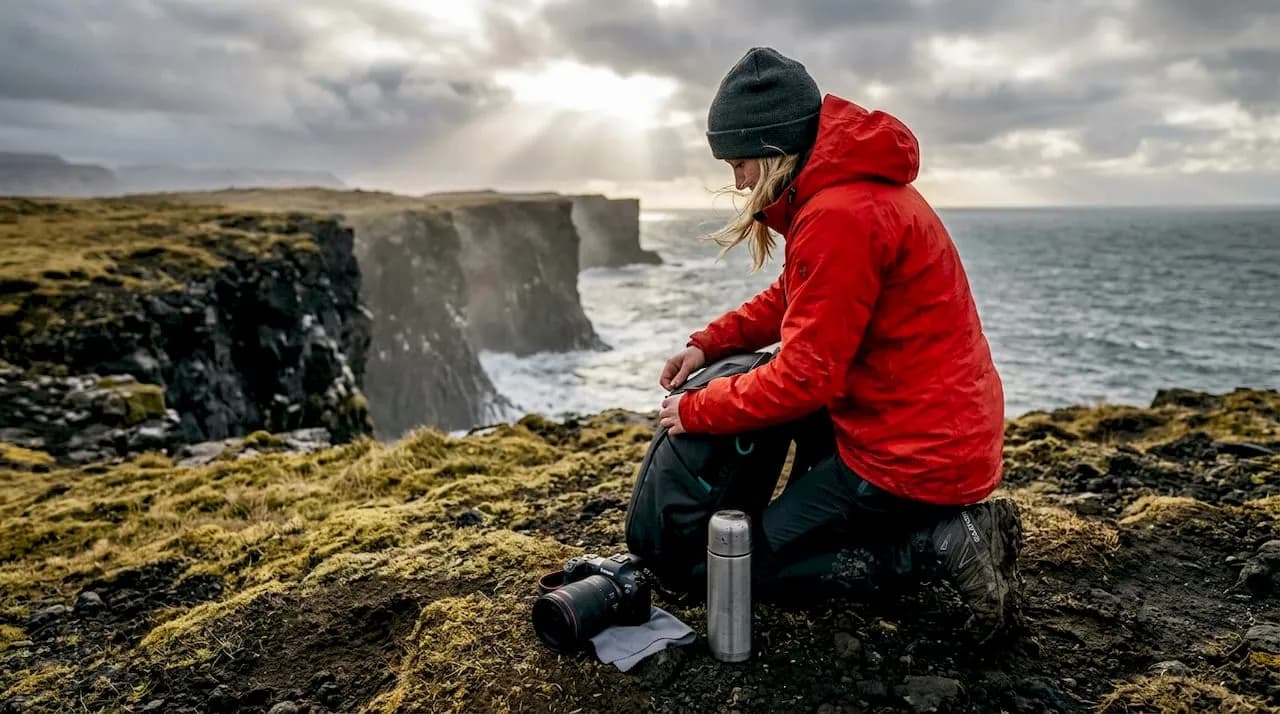
Iceland doesn’t give you a second chance at the perfect shot. The weather shifts in minutes, a glacier lagoon can be glassy calm at 6 a.m. and whipped into chaos by noon, and the light during golden hour in summer stretches for hours in ways that will completely rewire how you think about photography. Whether you’re planning a solo landscape adventure or a portrait session against black sand beaches, the difference between forgettable snapshots and truly powerful images comes down to one thing: preparation. This guide walks you through every layer of that preparation, from gear and clothing to timing, technique, and logistics.
Table of Contents
- Key criteria for an Iceland photoshoot
- Essential camera gear for Iceland
- Smart clothing and safety essentials
- Timing and location strategies for epic shots
- Creative techniques: landscapes and portraits in Iceland
- Advanced planning: tours, logistics, and crowd control
- Work with a local expert for unforgettable Iceland photoshoots
- Frequently asked questions
Key Takeaways
| Point | Details |
|---|---|
| Layer and protect gear | Use weather-sealed equipment and layered clothing to beat Iceland’s elements and keep shooting comfortably. |
| Time your shots right | Golden hour, shoulder seasons, and aurora forecasts all impact your chance at stunning images. |
| Pack for versatility | Bring wide-angle lenses, sturdy tripods, and the right filters to adapt to Iceland’s changing scenes. |
| Plan and scout ahead | Research photo locations, use navigation apps, and consider guided tours for safe, crowd-free sessions. |
| Embrace creative techniques | Use ND filters, long exposure, and portraits for photos with scale and drama unique to Iceland. |
Key criteria for an Iceland photoshoot
Before you pack a single lens, you need to understand what makes Iceland different from every other destination. The country sits at the intersection of the Arctic and the Atlantic, which means conditions can change faster than your camera can autofocus. Planning around these realities isn’t optional. It’s the foundation of every great shot.
Here are the core criteria to evaluate before your trip:
- Weather unpredictability: Rain, wind, fog, and sunshine can all happen within the same hour. Embrace it rather than fight it.
- Gear durability: Equipment must handle moisture, cold, and dust from volcanic terrain.
- Layered clothing: Your comfort directly affects your creativity. Cold, wet photographers rush shots.
- Access and timing: Remote locations require planning, and golden hour timing varies dramatically by season.
- Portrait vs. landscape balance: Decide in advance how much of your shoot focuses on people versus scenery.
- Safety and regulations: Some areas require permits or restrict drone use. Always check local rules before you go.
A solid Iceland photo shoot checklist helps you track all of these before departure. And when it comes to clothing, a reliable Iceland packing guide is worth bookmarking early.
“Prioritize windproofing over cold protection; weather enhances drama if embraced.”
That mindset shift alone will change how you approach every single location.
Essential camera gear for Iceland
With your criteria in place, it’s time to pack the right camera gear for Iceland’s dramatic and sometimes harsh conditions. The wrong equipment won’t just limit your shots. It can fail entirely in the field.
Here’s what belongs in your bag:
- Weather-sealed camera body: Moisture gets everywhere. A sealed body is non-negotiable for Iceland.
- Wide-angle lens (14-35mm): Captures the full scale of waterfalls, glaciers, and volcanic plains.
- Standard zoom (24-70mm): Versatile for both environmental portraits and mid-range landscapes.
- Sturdy tripod: Essential for long exposures. Add weight to the center hook in wind.
- ND and polarizer filters: ND filters smooth out waterfalls; polarizers cut glare on water and ice.
- Extra batteries (stored warm): Cold drains batteries fast. Keep spares in an inner jacket pocket.
- Rain cover and microfiber cloths: Protect your gear and clean salt spray or rain off lenses quickly.
As Iceland photography tips confirm, weather-sealed gear and filters are the baseline for any serious Iceland shoot. For a deeper breakdown of focal lengths and what each does in Iceland’s terrain, the lens selection guide is a great resource. You can also cross-reference your full kit against a photo shoot essentials list before you fly.
Pro Tip: Bring a small silica gel pack inside your camera bag. When you move from cold outdoor air into a warm vehicle or building, condensation forms on lenses instantly. The silica gel absorbs that moisture before it causes damage.
Smart clothing and safety essentials
With your camera kit sorted, being physically prepared is just as vital. Let’s suit up for Iceland’s unpredictable elements.
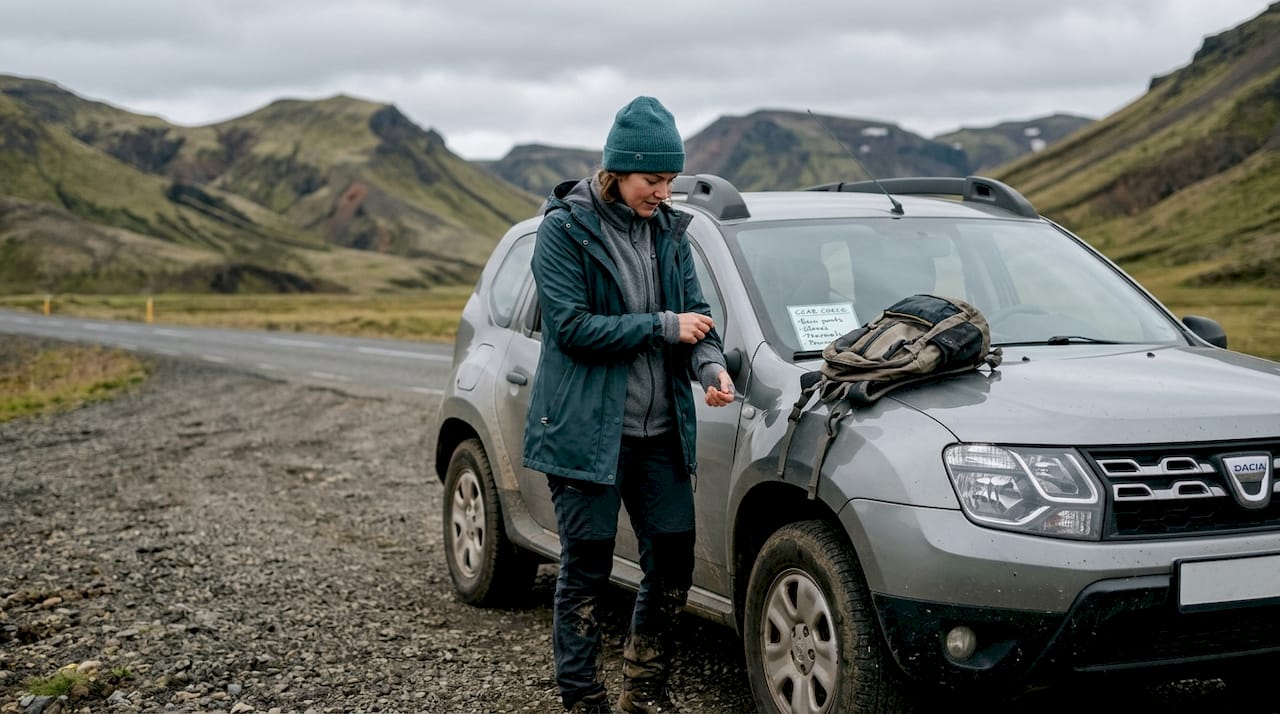
The 3-layer clothing system is the standard for Iceland: a merino wool base layer that manages moisture, a fleece mid-layer for insulation, and a waterproof shell that blocks wind and rain. Each layer has a job, and skipping one creates a weak point.
Here’s a step-by-step clothing and safety checklist:
- Merino base layer: Regulates body temperature and wicks sweat without holding odor.
- Fleece mid-layer: Traps warmth without bulk. A zip-up style lets you vent heat quickly.
- Waterproof shell jacket and pants: Wind resistance matters more than insulation in Iceland’s coastal zones.
- Waterproof hiking boots: Ankle support and waterproofing are both essential on uneven lava fields.
- Micro-spikes or crampons: Mandatory for ice caves and frozen waterfalls in winter.
- Photography gloves: Look for gloves with removable fingertips so you can adjust settings without freezing.
- Navigation and emergency gear: Offline maps, a whistle, and a charged power bank are minimum safety items.
For a complete breakdown of what to bring, the Iceland clothing checklist covers both photography-specific and general safety items. Additional packing advice is especially useful for winter trips.
Pro Tip: Hand warmers tucked into your gloves extend your shooting time by 30 to 45 minutes in sub-zero conditions. They also double as emergency battery warmers if your spares get too cold.
Timing and location strategies for epic shots
Comfortable and safe, you’ll want to maximize your chances for breathtaking images by timing your outings wisely. Iceland’s light is unlike anywhere else on earth, and understanding it is a genuine competitive advantage.
| Season | Light quality | Best subjects | Crowd level |
|---|---|---|---|
| Summer (Jun-Aug) | Golden hour lasts 3-4 hours | Waterfalls, puffins, midnight sun | High |
| Autumn (Sep-Oct) | Warm tones, early aurora | Northern lights, fall foliage | Moderate |
| Winter (Nov-Jan) | Low sun, long shadows | Ice caves, aurora, snow scenes | Low to moderate |
| Spring (Feb-Mar) | Balanced light, thawing ice | Aurora, glaciers, dramatic skies | Low |
Shoulder seasons like September through October and February through March offer the best balance of aurora activity, manageable weather, and thinner crowds. These windows are ideal if you want both landscape and portrait flexibility.
Key timing and location tips:
- Check the Iceland photo season guide for aurora forecasts and road closures before each outing.
- Use apps like Vedur (Iceland’s official weather service) and Aurora Forecast for real-time conditions.
- Arrive at iconic spots like Skógafoss or Jökulsárlón at least 45 minutes before sunrise.
- Explore Iceland photo locations to find lesser-known spots that reward early planning.
- For deeper pre-trip research, location scouting Iceland walks through how to identify and evaluate sites before you arrive.
Creative techniques: landscapes and portraits in Iceland
Knowing when and where to shoot is key, but your choice of technique transforms snapshots into powerful photos. Iceland rewards photographers who slow down and think before pressing the shutter.
For landscapes, filters are your best creative tool:
- ND filters allow long exposures in bright conditions, turning rushing waterfalls into silky curtains of white.
- Polarizers remove glare from glacial rivers and wet black sand, revealing color and depth underneath.
- Long exposure at dusk captures aurora movement and star trails with the right shutter speed and a locked-down tripod.
For portraits, the key is integration. A single figure in a vast landscape adds both scale and emotional weight. The viewer immediately understands how enormous the environment is, and they feel something because a human is present in it.
“ND filters for silky waterfalls; polarizers cut glare; portraits add scale and emotion to every frame.”
Composition tips worth practicing:
- Use weather as a creative element, not an obstacle. Fog adds mystery; rain creates reflections.
- Shoot in RAW format to preserve highlight and shadow detail in Iceland’s high-contrast light.
- Resist heavy editing. Iceland’s colors are already extraordinary. Subtle adjustments preserve authenticity.
For more on integrating people into Iceland’s scenery, outdoor portrait tips and Iceland best practices both offer practical frameworks. And if you’re still deciding whether Iceland is the right backdrop, shooting in Iceland advantages makes a compelling case.
Advanced planning: tours, logistics, and crowd control
Finally, proper planning lets you overcome the logistical hurdles and focus on creative expression, whether you’re solo or with a guided group.
| Factor | Guided tour | Solo shooting |
|---|---|---|
| Remote access | High, guides know the terrain | Limited without local knowledge |
| Gear support | Often included (crampons, boots) | You carry everything |
| Flexibility | Fixed itinerary | Full creative control |
| Cost | Higher upfront | Lower, but more planning required |
| Best for | Beginners, first-timers | Experienced travelers with local research |
As guided tours confirm, professional operators provide equipment, handle logistics, and position you at the right spot at the right time. That’s a significant advantage when conditions shift fast.
Essential planning tools and tips:
- Rent a 4x4 vehicle if you plan to access highland roads or F-roads. Standard cars are not permitted on many routes.
- Download offline maps via Maps.me or Gaia GPS before leaving cell coverage.
- Use the Safe Travel Iceland app to register your itinerary and check road closures.
- Review Iceland photo tour planning for a structured approach to building your shoot schedule.
- For a broader perspective on why professional documentation pays off, value of Iceland travel photography is worth reading before you book.
Work with a local expert for unforgettable Iceland photoshoots
All the preparation in the world gets you close, but nothing replaces the insight of someone who has spent years reading Iceland’s light, weather, and terrain. A local photographer doesn’t just know where to go. They know when to leave, which angle catches the best reflection, and how to make you feel at ease in front of the camera so your portraits look genuine rather than posed.
If you want images that feel personal and cinematic rather than generic travel photos, working with an experienced Iceland photographer is the most direct path to that result. You can learn more about the creative approach and story behind the lens on the about the photographer page, or browse real client work and Iceland landscapes in the see the Iceland portfolio. Bookings are open for international clients, and every session is built around your story.
Frequently asked questions
What camera gear is essential for an Iceland photoshoot?
A weather-sealed camera body, wide-angle lens, tripod, ND and polarizer filters, extra batteries, and lens cloths are the core kit. A rain cover protects your investment when conditions turn fast.
How should I dress for a winter photoshoot in Iceland?
Follow the 3-layer clothing system: merino base, fleece mid-layer, and waterproof shell. Add waterproof boots, insulated gloves with removable fingertips, and a warm hat.
When is the best season for photoshoots in Iceland?
Shoulder seasons like September through October and February through March offer the best balance of aurora activity, dramatic light, and manageable crowds. Winter is best for ice caves and northern lights.
How do I avoid crowds at popular photo spots in Iceland?
Arrive at dawn or dusk, and consider visiting during the off-season. Spending more time at fewer locations also gives you the flexibility to wait for changing light and clear conditions.
Are guided photo tours in Iceland worth it?
Guided tours are especially valuable for first-time visitors who want remote access, gear support, and expert guidance on timing. For experienced photographers, they still offer insider knowledge that’s hard to replicate solo.