Why International Photographers Choose Iceland
Why international photographers choose Iceland: discover dramatic landscapes, unique lighting, seasonal diversity, and key safety or cost factors.
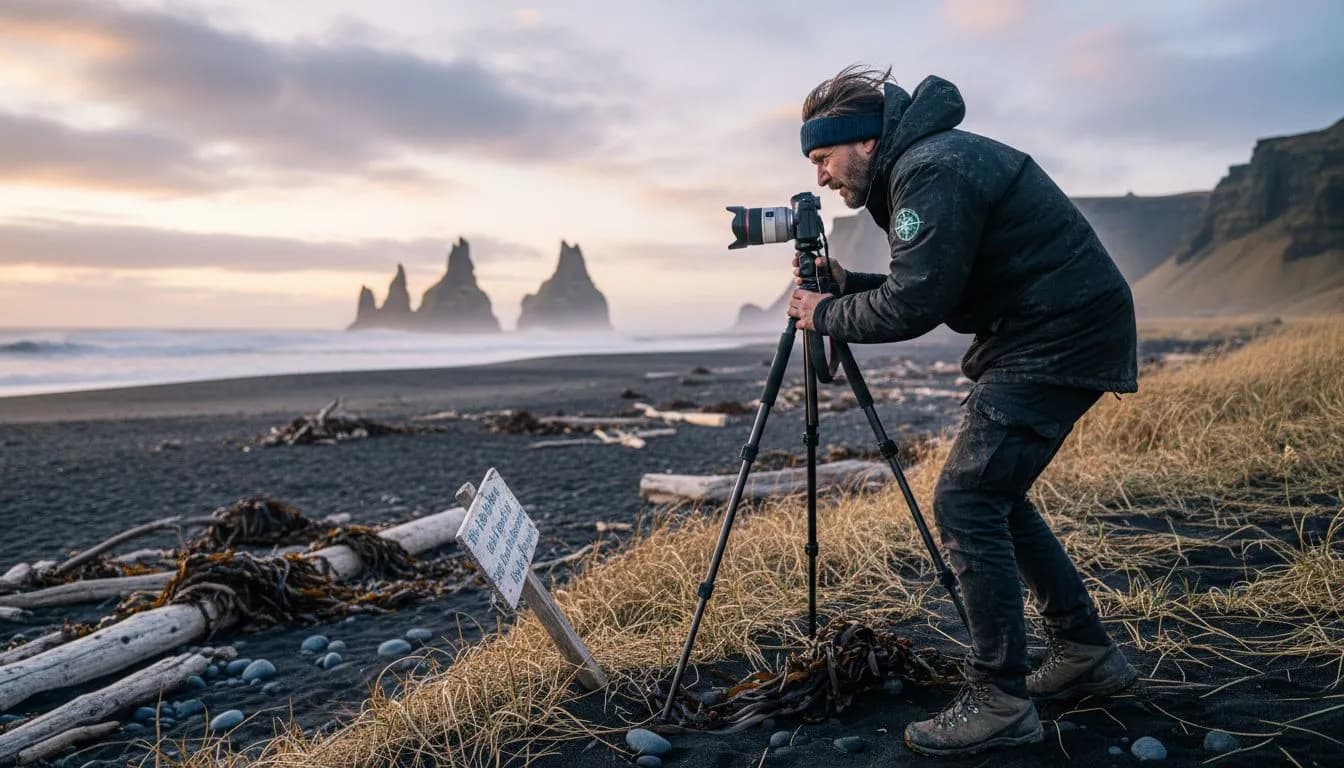
Every journey through Iceland gives couples and adventure travelers a fresh story to capture. This compact country surrounds you with unmatched visual diversity, from volcanic deserts to icy glaciers, all easily reached within a few hours. The magic of Icelandic light, whether prolonged golden hours in summer or dramatic shadows in winter, creates emotionally charged images year round. In Iceland, the landscape and lighting do the heavy lifting for your unforgettable photography experience.
Table of Contents
- Defining Iceland’s Appeal for Photography
- Landscape Types and Visual Diversity Explained
- Seasonal Light and Unique Shooting Conditions
- Access, Logistics, and Essential Travel Safety
- Costs, Regulations, and What to Avoid
Key Takeaways
| Point | Details |
|---|---|
| Diverse Landscapes | Iceland offers a wide range of distinct environments, allowing photographers to capture varied visual stories in a single trip. |
| Seasonal Light Advantages | The unique light conditions throughout the year—especially during the midnight sun in summer and auroras in winter—enhance creative photography opportunities. |
| Access and Safety | Iceland is accessible, but photographers must stay prepared and adaptable due to rapidly changing weather and terrain challenges. |
| Respect Regulations | Understanding and adhering to Iceland’s environmental regulations is crucial for preserving its delicate ecosystems and avoiding fines. |
Defining Iceland’s Appeal for Photography
Iceland isn’t just another travel destination for photographers. It’s a visual playground where every direction you turn reveals something you’ve never seen before.
What makes Iceland truly exceptional is how much diversity exists in such a compact country. Within a few hours of driving, you can encounter vast ice caps, volcanic deserts, geothermal fields, and dramatic coastlines. This concentration of contrasting landscapes means you’re constantly switching between completely different visual stories without spending days traveling between locations.
Light and Seasons Work in Your Favor
The magic happens when you understand Icelandic light conditions. During summer, the golden hour stretches for hours instead of minutes. In winter, the low-angled sun creates dramatic shadows and rich color palettes that make even ordinary subjects look extraordinary.
Iceland’s seasonal shifts give you different creative opportunities:
- Summer: Midnight sun provides extended shooting hours and soft, consistent light
- Winter: Aurora borealis and scarce daylight create unique, moody imagery
- Spring & Fall: Unpredictable weather generates dynamic skies and atmospheric conditions
The ever-changing weather patterns create contrast between ominous dark skies and sunlit moments, giving you dramatic natural conditions that happen organically without artificial intervention.
Accessibility Changes Everything
Many of Iceland’s natural wonders are relatively accessible compared to other global photography destinations. You don’t need specialized equipment or extreme technical skills to reach iconic locations. This means more shooting time and less wasted energy on logistics.
For couples documenting your journey together, this accessibility matters. You can focus on capturing authentic moments instead of struggling with difficult hikes or permits. The landscape does the work for you.
Weather as a Creative Tool
Icelanders joke that if you don’t like the weather, wait five minutes. That constant change isn’t frustrating for photographers. It’s an advantage. Conditions shift rapidly, giving you multiple light scenarios in a single day.
Pro tip: Shoot during the transitions between weather systems. The five to ten minutes when storms break open reveal the most dramatic light contrasts you’ll find anywhere.
Landscape Types and Visual Diversity Explained
Iceland doesn’t have just one type of landscape. It has multiple distinct environments, each with its own character and visual personality.
This variety is what makes Iceland so compelling for photographers. You’re not shooting the same vista over and over. The Icelandic government’s landscape classifications recognize dozens of different landscape types, each with unique geological and visual features.
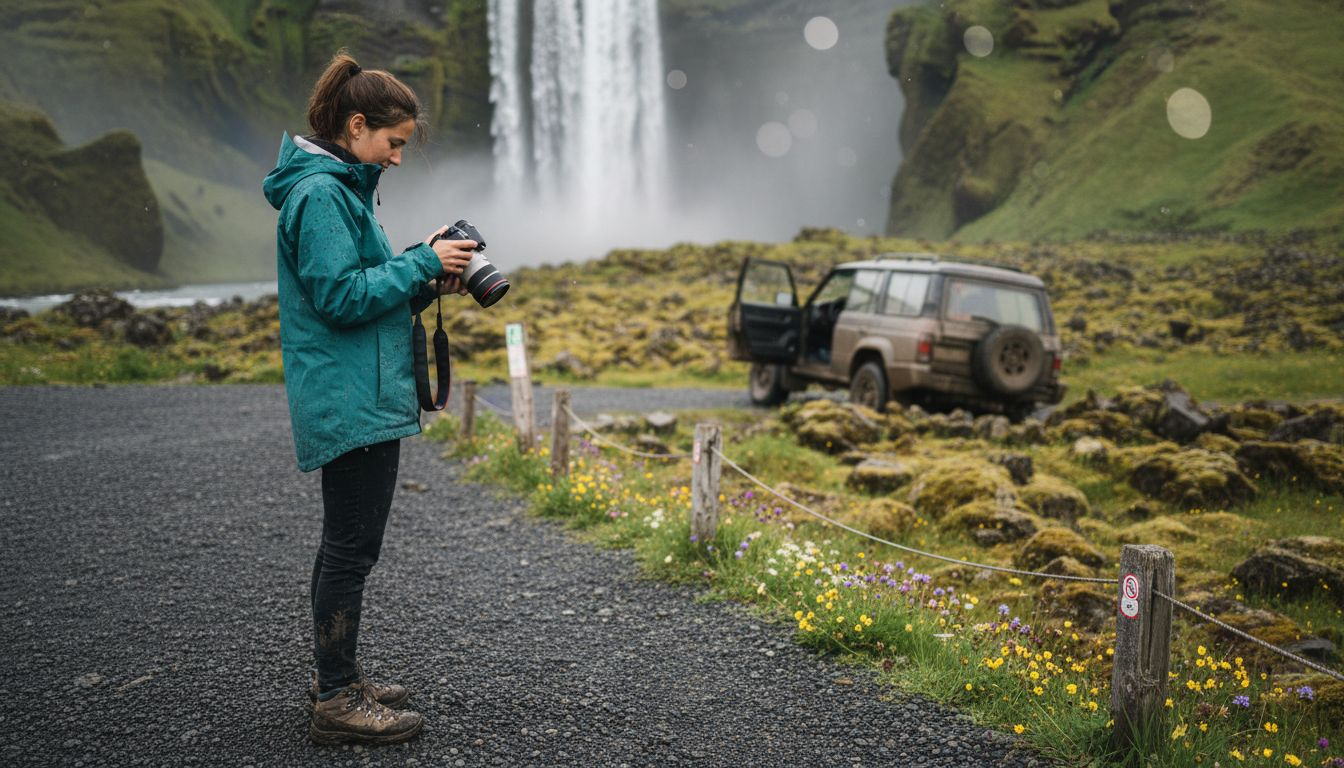
Understanding the Major Landscape Types
Here’s what you’ll actually encounter when you’re shooting:
Here’s how Iceland’s main landscape types differ visually and in photographic impact:
| Landscape Type | Signature Visual Features | Best for Shooting |
|---|---|---|
| Volcanic Deserts | Black sands, sparse vegetation | Abstract images |
| Glacial Regions | Vast ice, blue tones, crevasses | Wide perspectives |
| Geothermal Areas | Steam, vibrant minerals, colors | Textured close-ups |
| Coastal Formations | Cliffs, sea stacks, black beaches | Dramatic portraits |
| Birch Woodlands | Deep greens, dense foliage | Intimate scenes |
| Lava Fields | Jagged rocks, moss highlights | Surreal compositions |
- Volcanic deserts: Black sand plains with minimal vegetation, raw and otherworldly
- Glacial regions: Ice caps and valleys carved by ancient ice flows
- Geothermal areas: Steaming springs, colorful mineral deposits, and active geology
- Coastal formations: Dramatic cliffs, black sand beaches, and sea stacks
- Birch woodlands: Dense forests with rich greens and textural depth
- Lava fields: Jagged rock formations creating abstract compositions
Visual diversity translates directly to creative freedom. You’re not forced to repeat the same photographic approach because each landscape type demands different angles, lighting strategies, and compositional thinking.
Why This Matters for Your Shoot
When you book a photography session, this diversity means you have genuine creative options. Within a day trip, you can shoot five completely different visual stories. As a couple documenting your journey, you capture the range and drama of Iceland rather than just one aesthetic.
The contrast between landscape types also helps your portfolio stand out. Other photographers share similar glacier shots or waterfall images. Your variety shows editorial depth and storytelling range.
Planning Around Landscape Zones
Different regions concentrate certain landscape types. The south coast clusters waterfalls and black sand beaches. The interior has volcanic deserts and glaciers. The north features waterfalls and geothermal features.
Understanding these concentrations helps you plan efficient shooting days. You’re not randomly searching for subjects. You’re strategically positioning yourself in zones where multiple landscape types cluster together.
Pro tip: Visit regions with contrasting landscape types on the same day, shooting in the morning light on glaciers and afternoon light on volcanic deserts to capture maximum visual diversity in your storytelling.
Seasonal Light and Unique Shooting Conditions
Iceland’s light doesn’t follow normal rules. Depending on when you visit, you get completely different shooting conditions that simply don’t exist elsewhere.
This seasonal variation is one of the biggest reasons international photographers prioritize Iceland. You’re not just visiting a beautiful place. You’re accessing lighting conditions that transform how you can tell visual stories.
Summer Light: The Midnight Sun Effect
During summer months, Iceland barely gets dark. The sun dips low but never truly sets, creating what photographers call the golden hour on steroids.
What this means practically:
- Soft, warm light lasts from 4 AM through 11 PM
- No harsh midday shadows to navigate around
- Skin tones look naturally flattering in couple portraits
- Landscapes glow with consistent, dreamy quality
For couples documenting your journey, summer light means you can shoot at any time without worrying about light quality deteriorating. A 6 PM shoot looks exactly like a 10 AM shoot in terms of color and softness.
Winter Light: Drama and Aurora
Winter offers something completely different. The prolonged golden light in winter photography happens because the sun barely rises above the horizon, creating constant low-angled illumination that casts everything in warm amber tones.
You also get the aurora borealis. On clear nights, the northern lights dance across the sky, giving you ethereal backgrounds and mood that summer simply cannot match.
Winter shooting requires patience with weather and limited daylight hours, but the visual payoff is extraordinary.
Spring and Fall: Unpredictable Magic
These shoulder seasons deliver dynamic, ever-changing conditions. You might shoot through four different weather patterns in a single day, each with distinct light qualities.
This variability keeps you creatively sharp. You can’t rely on one lighting formula. You have to adapt constantly, which forces stronger compositional thinking.
Seasonal transitions create contrast between moody skies and sudden sunlit moments. That contrast is where the most emotionally resonant photographs happen. Not in perfect conditions, but in the tension between light and shadow.
Choosing Your Season
Consider what story you want to tell:
- Romantic, soft: Summer midnight sun
- Dramatic, moody: Winter with aurora potential
- Dynamic, varied: Spring or fall with shifting weather
- Golden, warm: Winter or spring/fall golden hour
None of these are objectively better. They’re different tools for different narratives.
Pro tip: Book winter sessions on nights with clear skies forecast, ensuring aurora is possible, then use golden afternoon light as backup if skies cloud over, giving you two completely different visual stories from one trip.
Use this seasonal comparison to choose the best time for your unique photographic goals in Iceland:
| Season | Unique Light Qualities | Ideal For |
|---|---|---|
| Summer | Prolonged soft golden hour | Romantic, bright portraits |
| Winter | Low sun, aurora visibility | Dramatic, moody content |
| Spring/Fall | Shifting and changeable | Variety, dynamic landscapes |
Access, Logistics, and Essential Travel Safety
Iceland is accessible, but it demands respect. Getting there is straightforward. Staying safe while shooting requires actual planning, not just wishful thinking.
International photographers choose Iceland partly because it’s reachable. Keflavik International Airport connects to major European and North American cities. Once you land, rental cars and ring road access make logistics manageable.
But here’s what changes everything: Iceland’s environment is unforgiving. Weather shifts in minutes. Roads become impassable. Terrain that looks walkable turns dangerous fast.
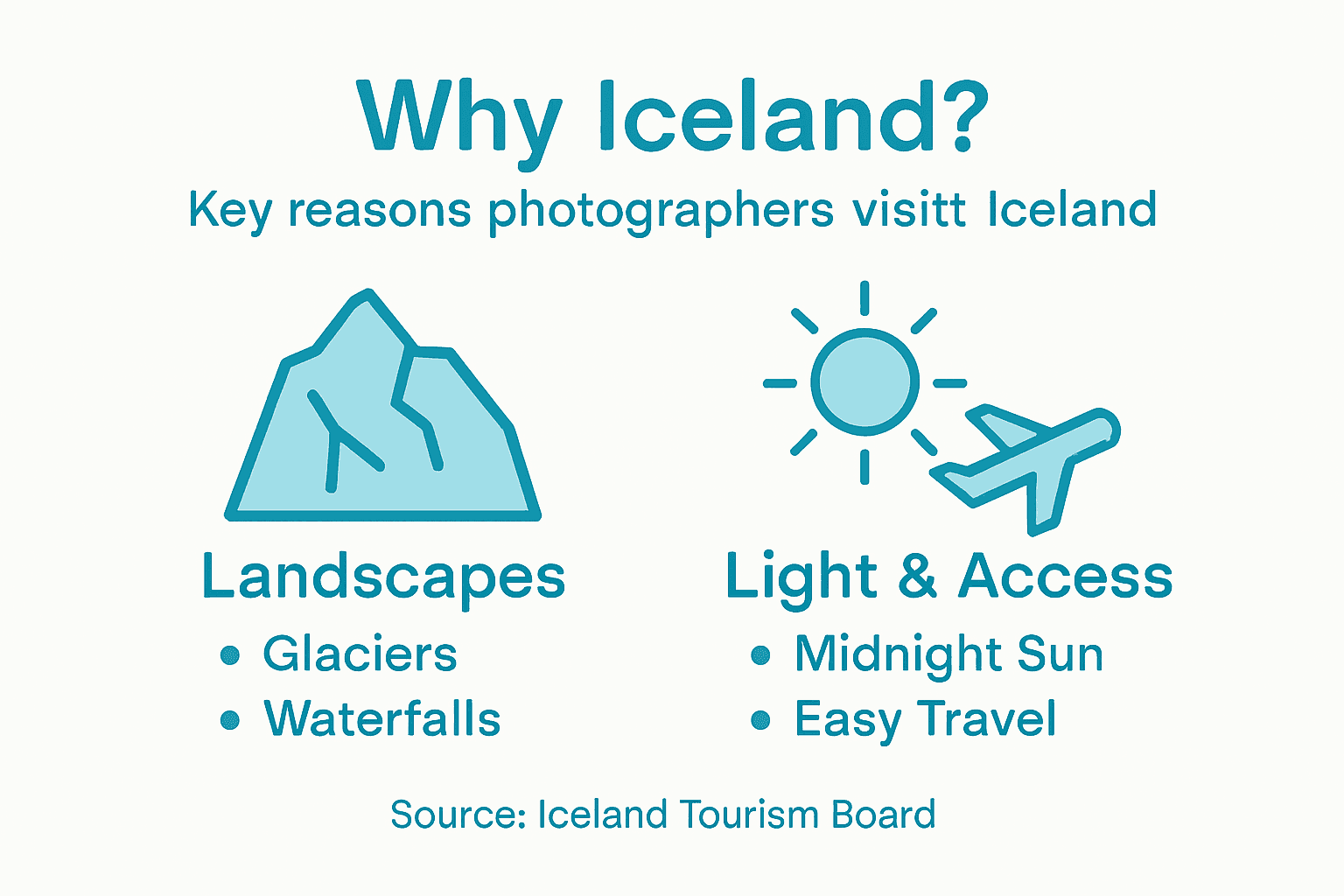
Weather and Road Conditions
Iceland experiences rapid weather changes that catch unprepared photographers off guard. A clear morning becomes a whiteout afternoon. Icy roads trap even experienced drivers.
Real-time weather and road alerts from official Icelandic sources let you make informed decisions about shooting locations and timing. You’re not guessing. You have current data.
Key safety considerations:
- Check conditions before driving to remote locations
- Understand that mountain roads close seasonally
- Know that coastal winds can exceed 50 miles per hour
- Realize that visibility changes create sudden hazards
Planning Your Shoot Days
Successful photographers build flexibility into their itineraries. You book a glacier shoot, but if weather makes it unsafe, you pivot to accessible coastal areas. This adaptability keeps you shooting and keeps you safe.
For couples, this means discussing backup locations before your session. Your photographer should have contingency plans that don’t compromise safety.
The Government of Iceland emphasizes preparation and situational awareness for navigating challenging environments. You’re not overreacting by checking conditions obsessively. You’re being professional.
Essential Gear and Communication
Bring proper clothing for rapidly changing weather. Layers, waterproof jackets, and warm boots aren’t optional. They’re survival equipment.
Have reliable communication:
- Charged phone with local SIM or international plan
- Share your itinerary with someone at home
- Understand that remote areas have no cell coverage
- Know basic rescue procedures
Working With Your Photographer
A photographer familiar with Iceland knows these hazards. They’ve navigated weather changes, challenging terrain, and logistics constraints. That experience matters for your safety and shot quality.
When booking, ask about their preparation protocols. How do they handle weather changes? What’s their communication plan? Do they have backup routes and locations?
Pro tip: Submit your travel plans to SafeTravel’s online registration system before shooting, share your itinerary with your photographer, and establish check-in times so local rescue services know your location if conditions deteriorate.
Costs, Regulations, and What to Avoid
Iceland isn’t cheap. Photography sessions, accommodations, and logistics add up fast. But understanding costs upfront prevents surprises and buyer’s remorse.
Equally important: Iceland has rules. Breaking them costs money, damages fragile ecosystems, and ruins experiences for everyone else. International photographers respect these constraints because they understand what’s at stake.
Photography Session Costs
Professional photography in Iceland ranges widely depending on what you’re booking. A guided couple’s session typically costs more than a standard portrait shoot because of logistics, travel time, and location access.
Factors affecting pricing:
- Duration: Half-day versus full-day shoots
- Locations: Remote areas require more travel time
- Seasonality: Winter aurora shoots cost more than summer
- Licensing: Usage rights for commercial versus personal work
The best photographers are worth the investment. They know safe routes, optimal light timing, and how to work in Iceland’s unpredictable conditions. Cheap options often cut corners on safety and experience.
Legal Requirements and Regulations
The Icelandic Tourist Board regulates tourism operators through licensing and safety standards. Licensed photographers carry insurance and comply with environmental protection laws.
When booking, verify your photographer holds proper credentials. This protects you legally and ensures they operate within regulations.
What you must avoid:
- Off-road driving on protected terrain
- Trespassing on private property
- Disturbing wildlife or nesting areas
- Removing natural objects or geological samples
- Ignoring closure signs on trails or roads
Environmental Protection and Costs
Iceland’s tourism framework emphasizes sustainability and environmental protection. Violations incur hefty fines. Driving on fragile moss or tundra outside designated roads costs 5,000 Icelandic króna (approximately $40 USD) minimum.
More serious violations—like damaging protected areas or wildlife—result in fines exceeding 500,000 króna. For couples, this means choosing photographers who respect environmental boundaries.
Regulations exist because Iceland’s landscape is fragile and non-renewable. Damage takes decades to recover. You’re not just following rules. You’re preserving what makes Iceland worth photographing.
Insurance and Protection
Travel insurance matters. Photography sessions involve remote locations and weather risks. Standard policies might not cover adventure activities.
Verify your photographer has liability insurance covering their clients. Ask about equipment insurance and emergency protocols.
Pro tip: Book with licensed photographers who carry full insurance, confirm they comply with environmental regulations, and ask for documentation of their Tourist Board credentials before committing to a session.
Capture Your Icelandic Journey with Lucy Moments PHOTOGRAPHER
Iceland offers breathtaking landscapes and ever-changing light conditions that challenge photographers but also inspire unforgettable visual stories. If you want to document your unique journey amid glaciers, volcanic deserts, midnight suns, or the dancing aurora borealis, it is essential to work with a photographer who understands the country’s dynamic weather, diverse landscapes, and seasonal light. Lucy Moments PHOTOGRAPHER specializes in capturing these moments with emotional depth and professional care while navigating Iceland’s challenging environment for couples and travelers alike.
Ready to turn your Iceland adventure into a timeless photo story? Discover how Lucy Moments PHOTOGRAPHER blends artistry with expertise in a way that respects Iceland’s natural beauty and its unpredictable conditions. Don’t miss your chance to make memories that last forever. Visit Lucy Moments PHOTOGRAPHER to explore the portfolio and book your personalized session now and experience the magic of Iceland through images crafted just for you.
Frequently Asked Questions
What makes Iceland a unique destination for photographers?
Iceland offers diverse landscapes within a compact area, including glaciers, volcanic deserts, and geothermal fields, which provide varied visual stories without extensive travel.
How do seasonal light conditions in Iceland affect photography?
Iceland’s light varies dramatically by season. Summer has extended golden hours due to the midnight sun, while winter offers low-angled sunlight and the chance to capture the aurora borealis.
What are the essential safety tips for photographers in Iceland?
Photographers should check real-time weather and road conditions, plan for flexibility in their shooting schedule, and ensure they have appropriate clothing and communication devices for safety.
What are the costs involved in booking a photography session in Iceland?
Pricing for photography sessions in Iceland varies based on factors like duration, location accessibility, seasonality, and whether the photography is for commercial or personal use.