Why emotion matters in photos: Iceland adventure stories
Why emotion matters in photos: Iceland adventure stories ! Traveler reflects by Iceland waterfall scene Many travelers think stunning scenery alone makes landscape photos powerful.
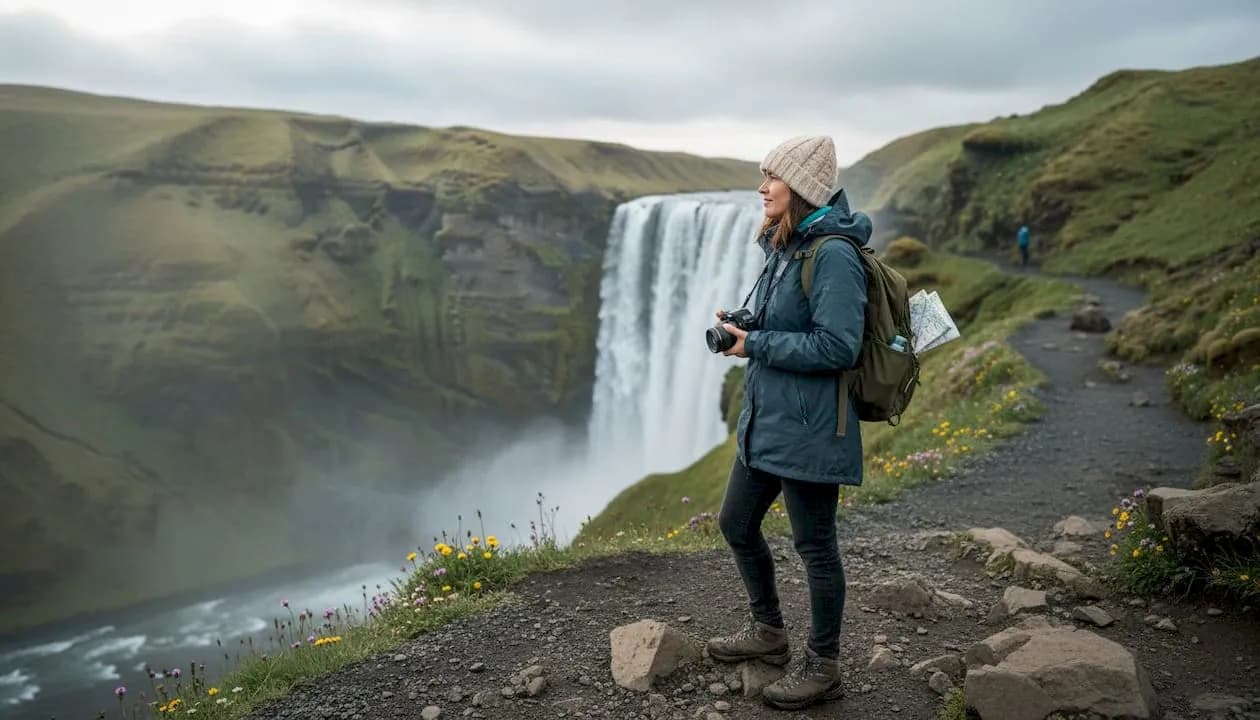
Many travelers think stunning scenery alone makes landscape photos powerful. They chase perfect light, dramatic peaks, and sweeping vistas, believing technical excellence guarantees memorable images. Yet the most impactful photos do something different. They capture emotion alongside beauty, transforming landscapes into personal stories that resonate long after the journey ends. For adventure travelers exploring Iceland’s rugged terrain, understanding how emotion elevates photography means creating images that reflect not just what you saw, but what you felt. This guide reveals why emotional depth matters in landscape photography and how you can harness it to tell your unique Iceland adventure story.
Table of Contents
- Key takeaways
- How emotion transforms Iceland landscape photography
- The science behind emotional connection in landscape photos
- Balancing mood and individual perspectives in your photos
- Practical tips to capture emotion in your Iceland adventure photos
- Explore emotional storytelling with Lucy Moments photography
- Frequently asked questions
Key Takeaways
| Point | Details |
|---|---|
| Emotion in landscapes | Images that convey feeling alongside scenery create stronger viewer connections and tell personal stories beyond visuals. |
| Human elements boost resonance | Silhouettes, reaching hands, or pairs in a scene invite viewers to imagine themselves there and add relatability. |
| Pre visualize mood | Pause before shooting to identify the intended emotion and compose lighting and framing to amplify it. |
| Emotion varies by landscape | Not every landscape evokes the same feeling, so adapt your approach to each scene. |
| Environmental cues matter | Include wind, mist, or other sensory details to communicate atmosphere and deepen mood. |
How emotion transforms Iceland landscape photography
Landscape photography extends far beyond documenting beautiful places. When you photograph feelings rather than just scenery, you express inner emotional landscapes that connect viewers to the scene on a visceral level. This connection becomes especially powerful in adventure travel photography, where each image can capture the thrill of discovery, the awe of standing before glaciers, or the intimacy of shared moments in remote locations.
Iceland’s dramatic environment naturally lends itself to emotional storytelling. Black sand beaches, towering waterfalls, and ethereal northern lights provide stunning backdrops, but the magic happens when you infuse these scenes with mood and feeling. Your photos become more than visual records. They transform into narratives that communicate your unique journey, the challenges you faced, and the wonder you experienced.
Emotional depth enables storytelling in travel photography that transcends typical vacation snapshots. Consider these elements that amplify emotional impact:
- Capturing genuine reactions to Iceland’s landscapes rather than posed smiles
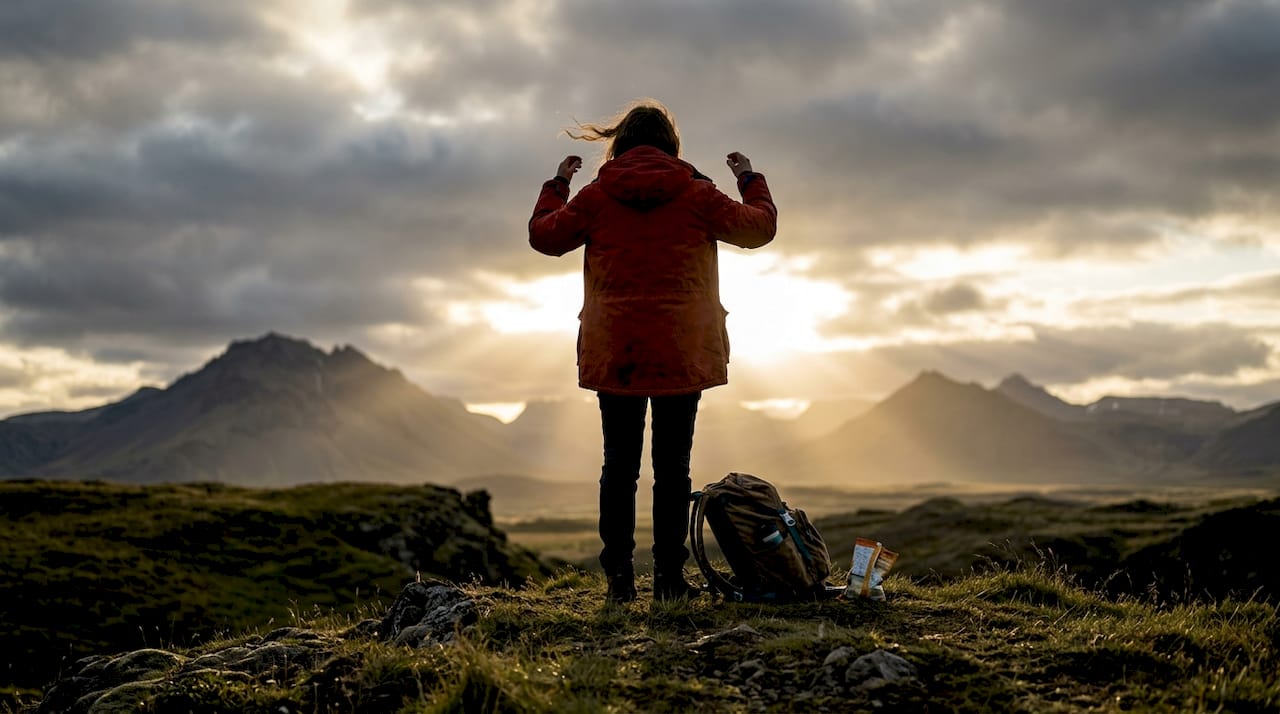
- Including environmental details that convey atmosphere, like wind-swept hair or mist
- Choosing moments that reflect vulnerability, joy, or contemplation
- Framing human subjects within vast landscapes to emphasize scale and emotion
Pro Tip: Before pressing the shutter, pause and identify what you’re feeling in that moment. Ask yourself whether the scene evokes awe, peace, excitement, or solitude. Then compose your shot to amplify that specific emotion through lighting, framing, and subject placement.
Human elements dramatically boost emotional resonance in landscape photography. A silhouette against a sunset, hands reaching toward a waterfall, or a couple embracing on a clifftop provides viewers with an emotional entry point. These elements help audiences imagine themselves in the scene, creating connection and memorability that pure landscape shots often lack.
The science behind emotional connection in landscape photos
Research reveals fascinating connections between landscape photography and bodily emotional responses. Studies show that aesthetic evaluation correlates with chest-centered bodily sensations and high-valence emotions, with waterscapes scoring highest in restoration and preference. When viewers experience positive emotions while looking at photos, they report physical sensations concentrated in the chest area, which directly increases their aesthetic appreciation scores.
This scientific finding explains why certain Iceland landscapes create such powerful responses. Waterfalls, coastal scenes, and glacial lagoons tap into our innate preference for water features, triggering both emotional and physical reactions that make these images more memorable and impactful. The bodily sensation component adds a dimension beyond visual beauty, creating a fuller sensory experience even when viewing a two-dimensional image.
| Landscape type | Restoration score | Preference rating | Emotional intensity |
|---|---|---|---|
| Waterscapes | Highest | Highest | Strong positive |
| Forests | High | High | Moderate positive |
| Mountains | Moderate | Moderate | Variable |
| Deserts | Lower | Lower | Weaker response |
The research also identifies individual differences in how people perceive and emotionally connect with landscapes. Personality traits, previous experiences, and cultural background all influence emotional responses to nature photography. This variability means photographers must consider their intended audience when crafting emotional narratives. What evokes profound emotion in one viewer might leave another unmoved.
“The aesthetic experience of landscape photographs involves a complex interplay between visual features, emotional responses, and bodily sensations. High-valence emotions combined with chest-centered bodily feelings predict higher aesthetic evaluations, particularly for waterscapes and forest scenes.”
Understanding these mechanisms helps you predict and enhance emotional impact in your Iceland photography. When you recognize that certain landscape types naturally evoke stronger responses, you can make informed decisions about composition, timing, and subject matter. You can also leverage this knowledge to create experiential photography that captures personal journeys with intentional emotional depth.
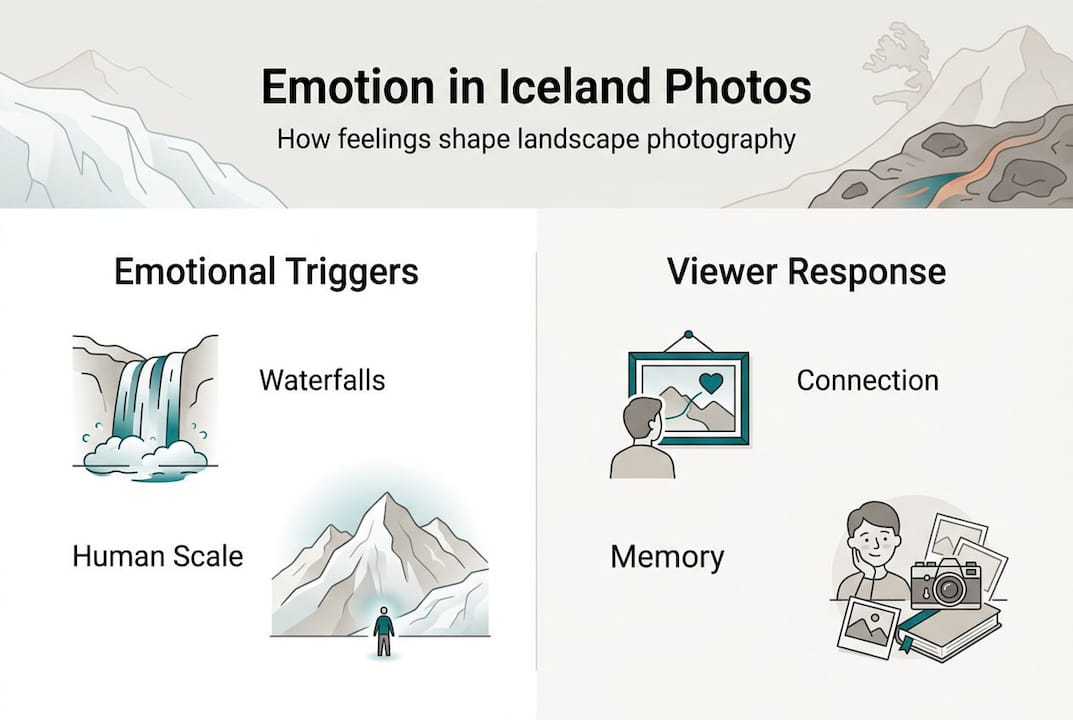
The healing and restorative qualities of nature photography also stem from these emotional connections. Photos that successfully evoke positive emotions and bodily responses can provide psychological benefits to viewers, offering moments of calm, inspiration, or joy. This therapeutic dimension adds another layer of value to emotionally rich landscape photography.
Balancing mood and individual perspectives in your photos
While scientific research identifies general patterns in emotional responses, not all landscapes evoke identical emotions across all viewers. Desert landscapes consistently score lower on preference and emotional intensity compared to forests and waterscapes. Individual personality traits and familiarity with specific environments significantly affect how people respond to landscape photographs.
This variation creates both challenges and opportunities for photographers. You cannot guarantee every viewer will experience your intended emotion, but you can increase the likelihood by understanding your audience and choosing locations strategically. Adventure travelers visiting Iceland often seek dramatic, water-rich environments that naturally align with high emotional response rates. Black sand beaches, glacier lagoons, and cascading waterfalls provide ideal settings for emotionally resonant photography.
Personality differences also shape emotional perception. Some individuals respond more strongly to vast, open landscapes that convey freedom and possibility. Others prefer intimate scenes with defined focal points that create feelings of safety and connection. Recognizing these preferences helps you tailor your photographic approach to match your own emotional truth or your clients’ desires.
Mood contributes substantially to memorability and the healing effects of landscape photos. When you consciously set a mood during your shoot, you create images with stronger emotional signatures. Consider these factors when planning your Iceland photography:
- Time of day affects mood dramatically, with golden hour creating warmth and blue hour evoking mystery
- Weather conditions like fog, rain, or dramatic clouds add emotional texture
- Your subject’s emotional state influences the overall feeling of the image
- Color palette choices can emphasize specific moods, from vibrant energy to moody contemplation
Pro Tip: Create a mood board before your Iceland adventure featuring images that capture the emotional tone you want to achieve. Reference these examples during your shoot to maintain consistent emotional storytelling throughout your photo collection.
Familiarity also plays a role in emotional response. Viewers who have visited Iceland personally may experience stronger emotional connections to your photos because they trigger memories of their own experiences. This phenomenon makes mastering mood in photographic storytelling especially valuable for creating images that resonate with fellow travelers and adventure seekers.
The key lies in authenticity. Rather than manufacturing emotions that don’t align with your genuine experience, focus on identifying and amplifying the feelings you actually have in each moment. This honest approach creates more powerful images than attempting to force emotions that don’t match the reality of your adventure.
Practical tips to capture emotion in your Iceland adventure photos
Translating emotional intention into compelling photographs requires both planning and spontaneity. Start by pre-visualizing light and emotional tone before arriving at each location. Research your destinations, study how light interacts with the landscape at different times, and identify the specific emotions you want to evoke. This preparation creates a framework that guides your creative decisions without restricting spontaneous moments.
- Scout locations in advance and note how different lighting conditions might affect mood and emotional impact
- Include human subjects at appropriate scale to provide emotional relatability and context within vast Icelandic landscapes
- Prioritize capturing genuine feelings over achieving technically perfect settings or compositions
- Leverage natural elements known to evoke strong positive emotions, particularly water features and dynamic skies
- Embrace imperfection and spontaneity when they capture authentic emotional moments more effectively than planned shots
Human scale transforms landscape photography from scenic documentation into personal narrative. When you include people in your Iceland photos, viewers gain an emotional anchor point and a sense of the landscape’s magnitude. A figure standing before a massive glacier or walking along an endless black sand beach communicates both the environment’s grandeur and the human experience within it.
Focus on mood rather than technical perfection. While sharp focus and proper exposure matter, they serve the emotional story rather than existing as ends in themselves. Sometimes a slightly blurred image that captures genuine laughter or a moment of awe proves more powerful than a technically flawless but emotionally flat photograph. Photography excavates emotions and creates healing through feeling-driven capture rather than technical perfection.
Pro Tip: During your shoot, take multiple frames of each scene while your subject experiences genuine emotions. The first few shots often show self-consciousness, but as people relax into the moment, authentic feelings emerge. Those later frames typically carry the strongest emotional impact.
Natural elements provide powerful tools for emotional storytelling. Iceland’s dramatic weather, from gentle mist to fierce winds, adds atmospheric layers that enhance mood. Rather than waiting for perfect conditions, embrace whatever weather you encounter and use it to amplify the emotional narrative. Rain can convey drama and resilience, fog creates mystery and intimacy, and brilliant sunshine evokes joy and energy.
Consider these specific techniques for adventure photoshoots that capture your journey with emotional depth:
- Shoot during transitions between weather conditions when dramatic light and atmosphere coincide
- Capture reactions to environmental elements like wind, cold, or mist rather than just posed portraits
- Use foreground elements to create depth and draw viewers into the emotional space of the image
- Experiment with different perspectives, including low angles that emphasize sky and vastness
- Allow quiet moments of contemplation and solitude to balance action shots
Authenticity remains the cornerstone of emotionally powerful photography. When you genuinely feel the emotions you’re trying to capture, that sincerity translates through the image. Don’t force happiness if you’re feeling contemplative, or manufacture drama if you’re experiencing peace. Trust your emotional truth and let it guide your creative choices.
Explore emotional storytelling with Lucy Moments photography
Capturing emotion in Iceland’s breathtaking landscapes requires both technical skill and deep understanding of photographic storytelling. Lucy Moments specializes in creating images that go beyond beautiful scenery to capture the emotional essence of your adventure. Whether you’re planning an Iceland photographer session for adventure, weddings, or landscapes, professional expertise helps transform fleeting moments into lasting visual stories.

Explore Iceland’s most stunning photography locations and discover how professional photography elevates your journey from memorable to unforgettable. Every adventure tells a unique story, and emotionally rich photography ensures your narrative resonates for years to come. Visit Lucy Moments to learn more about capturing your Iceland adventure with depth, artistry, and genuine emotional connection.
Frequently asked questions
Why is emotion important in photography?
Emotion transforms photos from simple documentation into powerful narratives that create lasting connections with viewers. When images evoke feelings, they become more memorable and meaningful, particularly in adventure travel photography where personal experience matters most. Emotional depth allows your photos to communicate not just what you saw, but how the journey made you feel.
How do I make my landscape photos more emotional?
Include human elements for scale and relatability, pre-visualize the mood you want to convey, and shoot during conditions that amplify emotional tone like dramatic weather or golden hour light. Focus on capturing genuine reactions and feelings rather than perfect technical execution. Embrace spontaneous moments that reveal authentic emotions.
What landscapes create the strongest emotional responses?
Waterscapes and forests consistently score highest in emotional intensity and aesthetic preference according to research. Iceland’s waterfalls, coastal scenes, and glacial lagoons naturally evoke strong positive emotions and bodily sensations that enhance viewer connection. These environments trigger innate preferences that make emotionally powerful photography easier to achieve.
Can I improve emotional storytelling without professional training?
Absolutely. Start by identifying your own emotions in each moment before shooting, then compose images that amplify those feelings through lighting, framing, and timing. Study photos that move you emotionally and analyze what makes them effective. Practice capturing genuine moments rather than posed scenes, and trust your instincts about what feels authentic.
How does personality affect emotional response to landscape photos?
Individual differences in personality traits, cultural background, and previous experiences significantly influence how people emotionally connect with landscape images. Some viewers respond more strongly to vast, open scenes while others prefer intimate compositions. Understanding your audience helps you create images with broader emotional appeal, though authentic personal expression should remain your primary guide.