What is personal narrative photography? A 2026 guide
What is personal narrative photography? A 2026 guide !
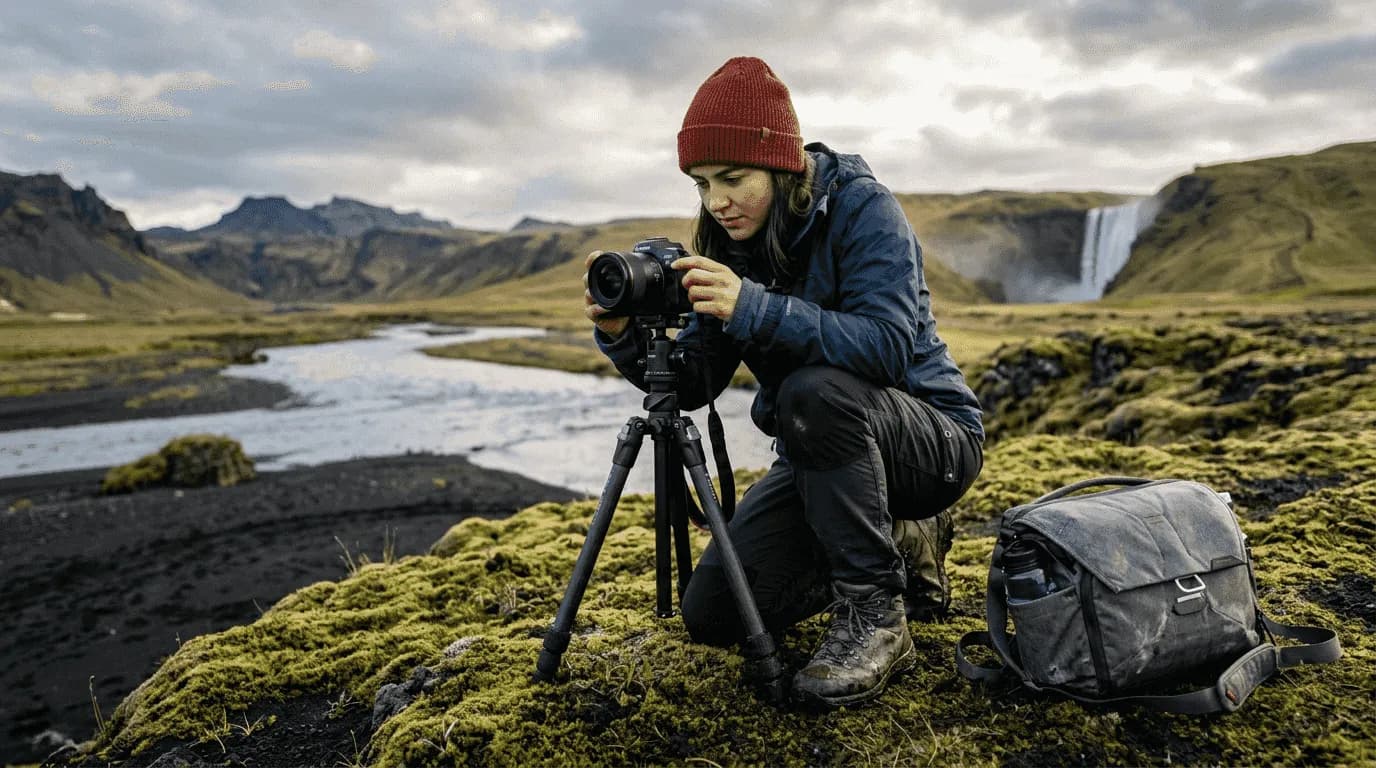
You’ve probably seen breathtaking Iceland landscape photos and wondered why some images feel deeply personal while others, though technically perfect, leave you cold. The difference lies in personal narrative photography, a storytelling approach that transforms scenes into emotional journeys. Many travelers confuse it with standard landscape or documentary work, missing the intentional narrative woven through each frame. This guide clarifies what personal narrative photography truly means and shows you how to apply it during your Icelandic adventures to capture images that resonate with meaning and connection.
Table of Contents
- Understanding Personal Narrative Photography: Storytelling Beyond Landscapes
- Key Elements And Techniques For Crafting Your Visual Story In Iceland
- Personal Narrative Photography Versus Other Photography Styles: A Comparison
- Applying Personal Narrative Photography On Your Iceland Adventure: Tips And Best Practices
- Discover Iceland Through Personal Narrative Photography With Lucy Moments
- Frequently Asked Questions
Key takeaways
| Point | Details |
|---|---|
| Storytelling over perfection | Personal narrative photography prioritizes emotional connection and story rather than technical flawlessness. |
| Planning is essential | Understanding light, weather patterns, and location scouting creates opportunities for meaningful captures. |
| Unique to Iceland | Iceland’s dramatic environment and changing conditions naturally enhance visual storytelling potential. |
| Personal perspective matters | Your individual viewpoint and emotional response make each narrative authentically yours. |
| Distinct from other styles | This approach differs fundamentally from documentary, pure landscape, or casual snapshot photography. |
Understanding personal narrative photography: storytelling beyond landscapes
Personal narrative photography emphasizes storytelling through visual elements, focusing on conveying emotion and personal experiences within a landscape. Unlike documentary photography that aims for objective factual representation, or traditional landscape work that prioritizes aesthetic beauty and technical perfection, this style centers on the photographer’s emotional journey and perspective.
Using photographic techniques to tell a story means each image serves a narrative purpose beyond mere documentation. You’re not just capturing a waterfall or glacier; you’re expressing how that moment made you feel, what it represented in your journey, or the story unfolding around you. This transforms viewers from passive observers into emotional participants in your experience.
Consider how storytelling in travel photography creates connections that transcend geography. When you photograph Iceland’s black sand beaches at dawn, technical perfection matters less than whether your composition conveys solitude, wonder, or the raw power of nature meeting your vulnerability. The goal shifts from “beautiful image” to “meaningful story.”
Key distinctions that define this approach:
- Focus on emotional resonance rather than technical metrics
- Intentional composition where every element advances the narrative
- Personal perspective as the lens through which viewers experience the scene
- Connection between photographer’s internal experience and external landscape
“The best narrative images don’t just show a place; they reveal how that place transformed the person behind the camera.”
This photography style demands vulnerability. You’re sharing not just what you saw, but how Iceland’s landscapes stirred something within you, creating images that invite viewers into your personal journey through one of Earth’s most dramatic environments.
Key elements and techniques for crafting your visual story in Iceland
Planning is crucial for personal narrative photography, especially in dynamic environments like Iceland. This includes scouting locations, understanding light conditions during golden hour, tracking sun and moon positions, and monitoring weather forecasts that change rapidly in this Nordic island nation.
Visual storytelling in nature photography relies on capturing emotion, using light consciously, and utilizing weather conditions to evoke specific moods. Iceland’s environment offers unparalleled opportunities because its elements naturally amplify narrative depth. The interplay of earth, wind, water, and volcanic fire creates ever-changing backdrops that mirror internal emotional states.
Successful narrative photography in Iceland requires intentional technique:
- Scout locations thoroughly before your shoot, researching not just coordinates but the emotional quality each site offers
- Monitor natural light patterns obsessively, because Iceland’s extreme seasonal variations create unique storytelling opportunities
- Compose each frame deliberately, asking what emotion or story element each component contributes
- Practice patience by revisiting locations under different conditions to capture varied narrative dimensions
- Include contextual elements like weather phenomena, textures, cultural artifacts, or human presence that add layers to your story
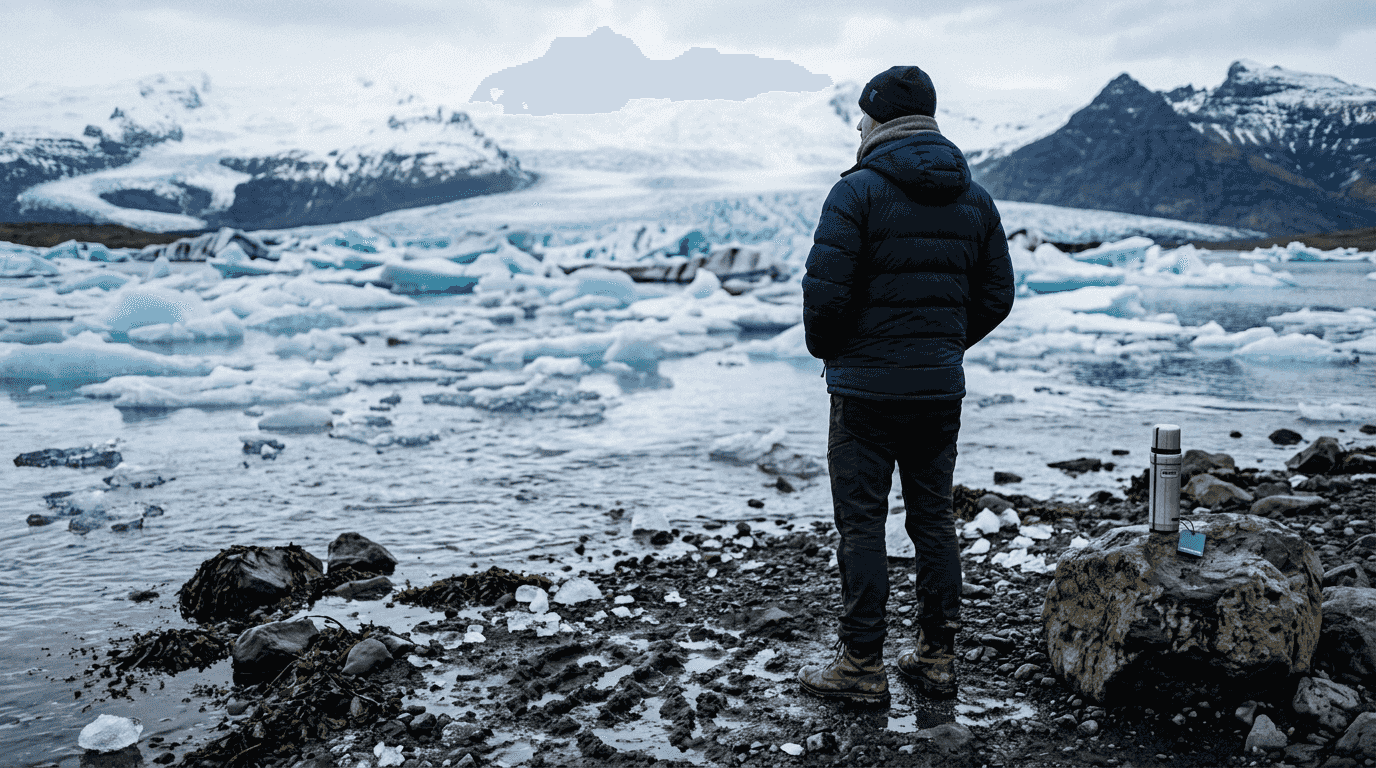
Emotional context transforms ordinary landscapes into compelling narratives. When photographing Jökulsárlón glacier lagoon, don’t just capture floating icebergs. Consider how morning mist creates mystery, how stormy skies mirror turbulence, or how golden light on ice conveys hope emerging from darkness. These choices tell stories that resonate beyond visual appeal.
Pro Tip: Use PhotoPills and Clear Outside apps to plan precise light conditions and weather windows in Iceland’s unpredictable climate, maximizing your chances of capturing the exact mood your narrative requires.
Understanding why shoot in Iceland connects directly to narrative potential. The country’s dramatic contrasts provide natural metaphors for emotional journeys. Narrative-driven photography in Iceland leverages these unique conditions to create stories impossible elsewhere, where landscapes shift from serene to violent within hours, mirroring human emotional complexity.
Return to meaningful locations multiple times. Your first visit captures initial impressions, but subsequent visits under different light, seasons, or weather reveal deeper narrative layers. This commitment to place mirrors how relationships deepen over time, adding authenticity to your visual storytelling.
Personal narrative photography versus other photography styles: a comparison
Narrative photography uses images to tell a story or convey a message, offering exciting insights into adventures, especially in nature photography. Understanding how it differs from related styles clarifies its unique value for adventure travelers documenting Iceland experiences.
The fundamental distinctions lie in intent, approach, and emotional investment:
- Documentary photography prioritizes factual accuracy and objective representation of events or subjects
- Traditional landscape photography emphasizes technical excellence, compositional rules, and aesthetic beauty
- Snapshot photography captures spontaneous moments casually without deliberate narrative construction
- Personal narrative photography intentionally weaves emotional story threads through deliberate compositional and contextual choices
| Photography Style | Focus | Goal | Emotional Element | Typical Subject |
|---|---|---|---|---|
| Personal Narrative | Storytelling through photographer’s perspective | Convey personal experience and emotional journey | Central to every decision | Landscapes as emotional backdrops |
| Documentary | Factual representation | Record events objectively | Minimal personal interpretation | News, cultural events, wildlife behavior |
| Traditional Landscape | Aesthetic beauty and technical perfection | Create visually stunning images | Secondary to composition | Scenic vistas, natural formations |
| Snapshot | Casual documentation | Quick memory capture | Spontaneous, unplanned | Daily life, travel moments |
| Adventure Photography | Action and athletic achievement | Showcase human capability in nature | Energy and accomplishment | Athletes, extreme conditions |
When practicing adventure photography in Iceland, you might blend narrative elements with action documentation. The key difference is whether your primary intent focuses on the external action or your internal response to the experience. Narrative work asks “What does this mean to me?” while pure adventure photography asks “What impressive feat occurred here?”
This comparison isn’t hierarchical. Each style serves different purposes. Documentary work preserves objective truth, landscape photography celebrates natural beauty, and snapshots capture spontaneous joy. Personal narrative photography specifically serves travelers wanting images that transport viewers into their emotional experience, making it ideal for those seeking deeper connection with Iceland’s transformative landscapes.
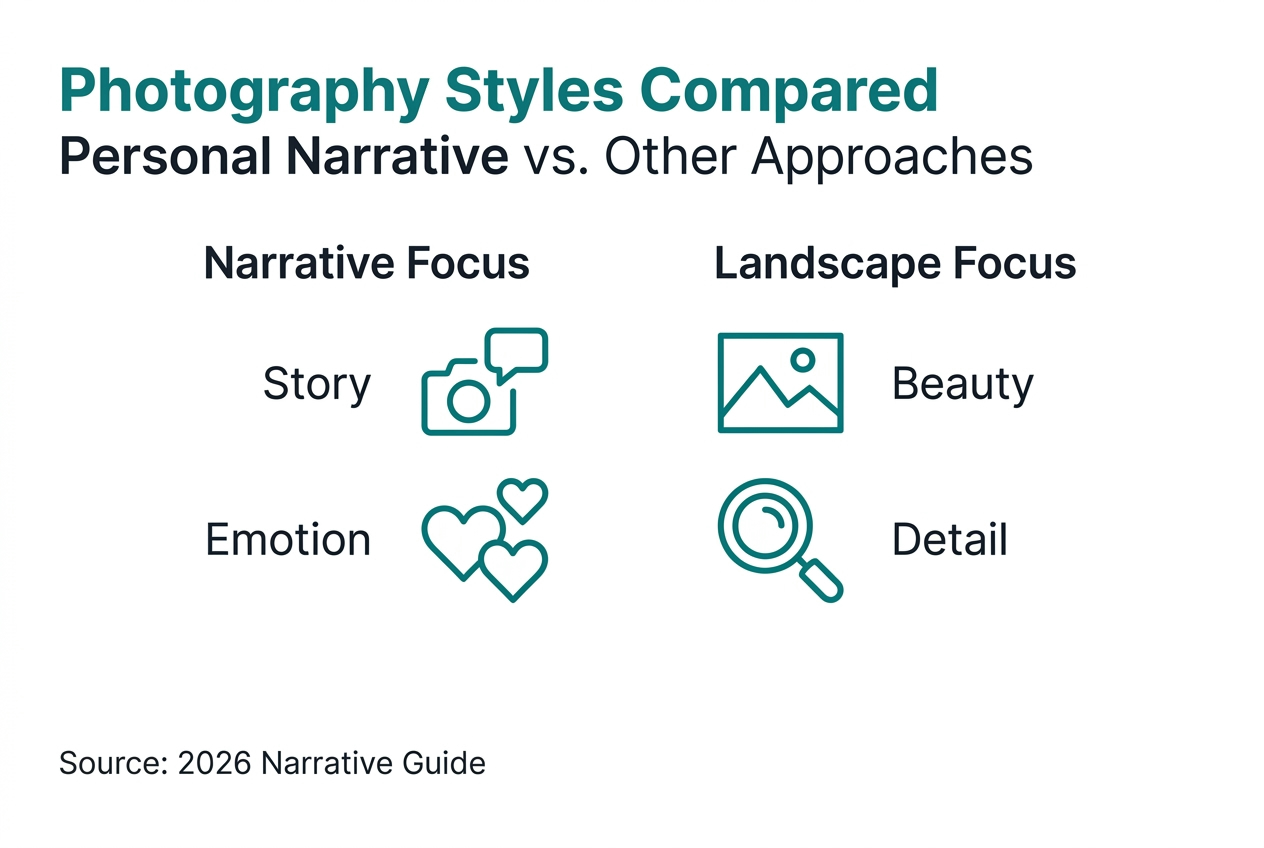
Your choice of style should align with your goals. If you want proof you visited impressive locations, snapshots suffice. If you want to share how Iceland changed your perspective on solitude, scale, or natural power, personal narrative photography becomes essential.
Applying personal narrative photography on your Iceland adventure: tips and best practices
Adventure photography requires a blend of technical skill, creative vision, and the ability to operate in challenging environments. Iceland’s notorious weather volatility demands adaptability while maintaining narrative focus. Your preparation directly impacts your ability to capture meaningful stories when conditions align.
Practical application starts before you arrive. Research locations not just for photographic potential but for narrative resonance. Ask what stories each site naturally tells. Does Dyrhólaey’s black arch speak to passage and transformation? Does Kirkjufell’s isolated peak represent standing alone against elements? Preconceiving these narrative threads helps you recognize decisive moments when they emerge.
The solitude and lack of crowds in winter provide special magic to each location, enhancing the personal narrative experience. Winter’s intimate atmosphere creates opportunities for contemplative storytelling impossible during crowded summer months. Your images can explore themes of isolation, resilience, and quiet wonder that summer’s bustle obscures.
Essential practices for Iceland narrative photography:
- Scout thoroughly but remain flexible as conditions change hourly in Iceland’s microclimates
- Use natural light creatively, understanding how Arctic light quality differs dramatically from lower latitudes
- Experiment with composition focusing on emotional impact rather than following rigid compositional rules
- Protect gear against wind, rain, and volcanic dust while maintaining quick access for fleeting moments
- Review images regularly to identify emerging patterns in your personal storytelling style
Connect with moments that resonate personally. If you feel awe standing before Skógafoss’s power, that authentic emotion translates through intentional composition. If loneliness strikes while crossing vast lava fields, embrace that feeling as narrative fuel rather than discomfort to overcome.
Pro Tip: Carry multi-use lenses and weatherproof gear so technical limitations don’t constrain your ability to capture narrative moments as they unfold in Iceland’s unpredictable conditions.
Understanding the role of photographer in adventure travel means recognizing you’re simultaneously participant and observer. This dual perspective enriches narrative work because you’re documenting experiences you’re actively living, creating authenticity that detached observation cannot achieve.
Experiential photography personal journeys emphasizes how your unique background, emotions, and perspectives shape the stories only you can tell. Two photographers at identical locations create vastly different narratives based on what they bring emotionally to the moment. Embrace this subjectivity as strength rather than limitation.
Develop your narrative voice through consistent practice and reflection. After each shoot, analyze which images genuinely convey the emotions you experienced. Identify what worked compositionally, contextually, and emotionally. This conscious reflection accelerates your development of a distinctive personal narrative style that makes your Iceland story unmistakably yours.
Discover Iceland through personal narrative photography with Lucy Moments
Your Iceland adventure deserves more than standard tourist snapshots. As an experienced Iceland photographer in Reykjavik specializing in adventure and narrative-driven photography, I help travelers transform their journeys into visual stories that capture authentic emotional experiences against Iceland’s dramatic landscapes.

Every traveler’s Iceland story is unique, shaped by personal perspective and the unexpected moments that define adventure. My tailored photographic experiences focus on bringing your individual narrative to life through intentional composition, expert understanding of Iceland’s changing conditions, and deep connection to this land’s storytelling potential. Whether you’re seeking to document solo exploration, couples’ adventures, or transformative travel experiences, I specialize in creating images that resonate with meaning long after your journey ends.
Discover how professional guidance can elevate your Iceland photography from beautiful images to compelling personal narratives. Visit my Iceland photographer adventure and landscapes page to explore my approach and book your authentic Iceland photo experience that honors your unique story.
Frequently asked questions
How does personal narrative photography differ from traditional landscape photography?
Personal narrative photography prioritizes storytelling and emotional connection over aesthetic beauty or technical perfection alone. While landscape photography celebrates nature’s grandeur through compositional excellence, narrative work uses landscapes as settings for personal stories, focusing on how places made you feel and what they meant to your journey. The photographer’s emotional experience becomes as important as the scene itself.
What are essential tools for successful personal narrative photography in Iceland?
Planning apps like PhotoPills for tracking light conditions, weather forecast tools like Clear Outside for Iceland’s volatile climate, and adaptable camera gear that withstands harsh conditions are essential. Equally important are patience for waiting through weather changes and flexibility to adjust plans when conditions shift. Your mindset and willingness to embrace unpredictability matter as much as technical equipment.
Can beginners practice personal narrative photography on their travels?
Absolutely. Personal narrative photography depends more on intentionality than technical mastery. Begin by asking what story each potential image tells and how it connects to your emotional experience. Focus on learning to use available light effectively and compose deliberately rather than casually. With practice and self-reflection about what you want to communicate, beginners can create deeply meaningful images that resonate with authentic personal perspective.
Why is revisiting locations important for narrative photography?
Revisiting locations allows you to capture different moods, light qualities, and environmental elements that reveal varied narrative dimensions of the same place. Your first visit might capture initial wonder, while subsequent visits under different conditions can express familiarity, deeper understanding, or contrasting emotions. This layered approach enriches your story and demonstrates how relationships with places deepen over time, adding authenticity to your visual narrative.
How can I develop my own personal narrative photography style?
Develop your style through consistent practice combined with honest self-reflection about what you want to express and why certain subjects resonate with you. Study images that move you emotionally and analyze what makes them effective. Experiment deliberately rather than randomly, testing how different compositional choices affect emotional impact. Over time, patterns emerge in your work that reflect your unique perspective, creating a distinctive narrative voice that makes your photography unmistakably yours.