Storytelling in Travel Photography: Creating Memories
Storytelling in Travel Photography: Creating Memories ! Photographer connecting with local vendor outdoors Bold travel memories spark to life when photos tell more than what the eye can see.
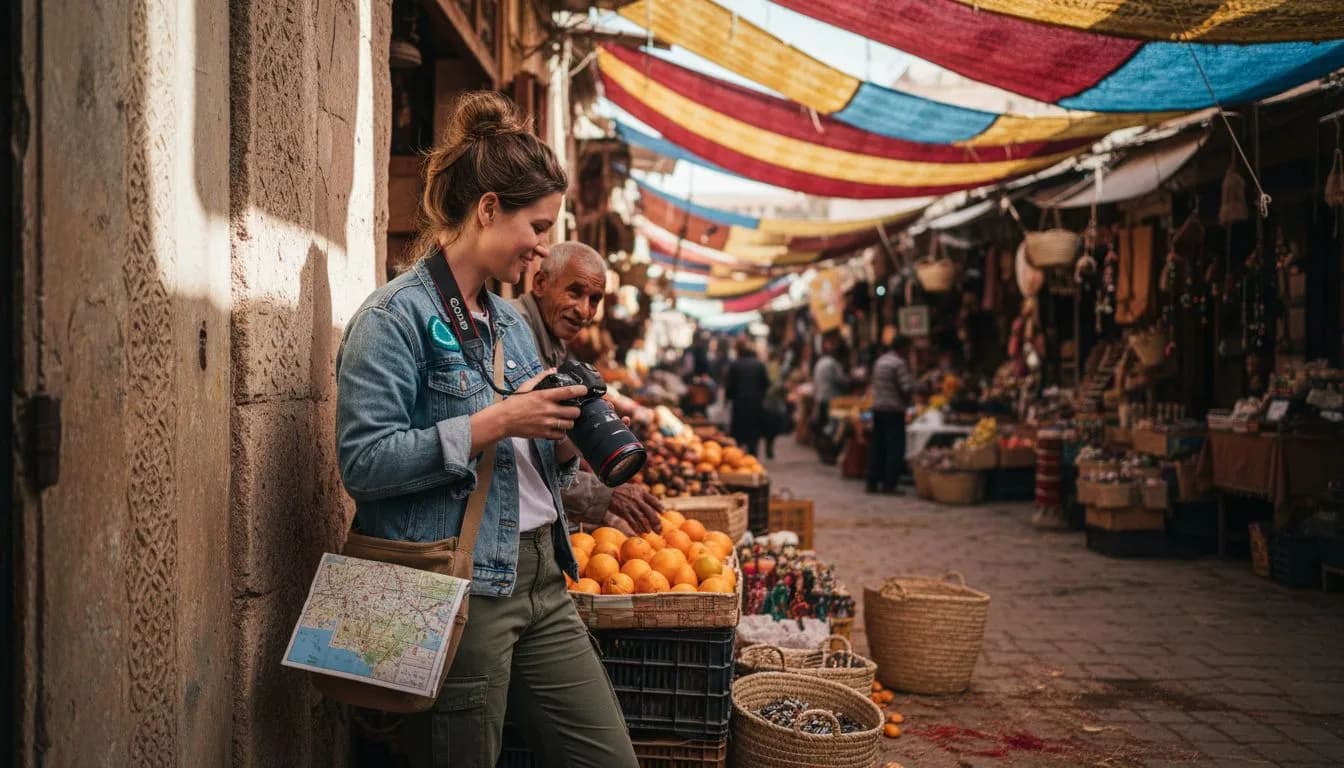
Bold travel memories spark to life when photos tell more than what the eye can see. For adventure-seeking couples and individuals drawn to Iceland, capturing each moment means embracing more than raw beauty. Storytelling in travel photography combines genuine emotion, local context, and cultural connection, allowing your Icelandic journey to resonate long after you return. Learn how to harness these narrative techniques so that every image expresses the true heart of your experience.
Table of Contents
- Defining Storytelling In Travel Photography
- Techniques For Capturing Meaningful Travel Stories
- Types Of Visual Narratives In Travel Images
- Emotional Impact And Client Connection
- Challenges And Mistakes In Storytelling Journeys
Key Takeaways
| Point | Details |
|---|---|
| Emotional Connection | Authentic storytelling in travel photography captures genuine human experiences and emotions, allowing deeper connections between subjects and viewers. |
| Narrative Techniques | Utilize specific visual narratives and composition strategies to create cohesive and impactful stories that resonate emotionally with the audience. |
| Cultural Sensitivity | Understanding and respecting local cultures is crucial for capturing meaningful and authentic moments in travel photography. |
| Adaptability | Overcome challenges by maintaining a flexible mindset and being prepared for unexpected situations to enhance storytelling opportunities. |
Defining storytelling in travel photography
Travel photography transcends mere documentation by transforming visual moments into compelling narratives that capture the essence of human experience. Visual storytelling techniques elevate images from simple snapshots to powerful emotional journeys that communicate deeper meanings about people, places, and cultural connections.
At its core, storytelling in travel photography involves creating a cohesive narrative arc through carefully selected and sequenced images. Key elements include:
- Authentic emotional representation
- Contextual environmental details
- Capturing genuine human interactions
- Revealing unique cultural perspectives
- Maintaining visual consistency across images
Successful storytelling requires more than technical skills - it demands deep cultural understanding and genuine human connection. Cultural sensitivity and research become crucial, ensuring that photographers approach their subjects with respect and nuanced understanding.
The most impactful travel photography creates an immersive experience that transports viewers into the moment, allowing them to feel the atmosphere, emotion, and intrinsic character of a specific time and place. This goes beyond beautiful compositions, focusing instead on narrative depth and emotional resonance.
Pro tip: Before embarking on a photography journey, spend time understanding the local culture and building genuine connections with potential subjects to capture more authentic and meaningful images.
Techniques for capturing meaningful travel stories
Crafting compelling travel stories requires more than just technical photography skills - it demands a strategic approach to visual storytelling. Deliberate framing and sequencing help photographers transform individual images into a powerful narrative that communicates deeper emotional experiences.
Effective storytelling techniques involve multiple strategic elements:
- Answering the 5Ws (who, what, where, when, why)
- Creating visual progression from wide shots to intimate details
- Establishing consistent visual themes
- Capturing authentic human interactions
- Maintaining emotional authenticity
Photographers can build narrative depth by carefully considering image composition and context. Visual storytelling moves beyond simple documentation, using environmental details, lighting, and carefully chosen moments to reveal the intrinsic character of a place and its people.
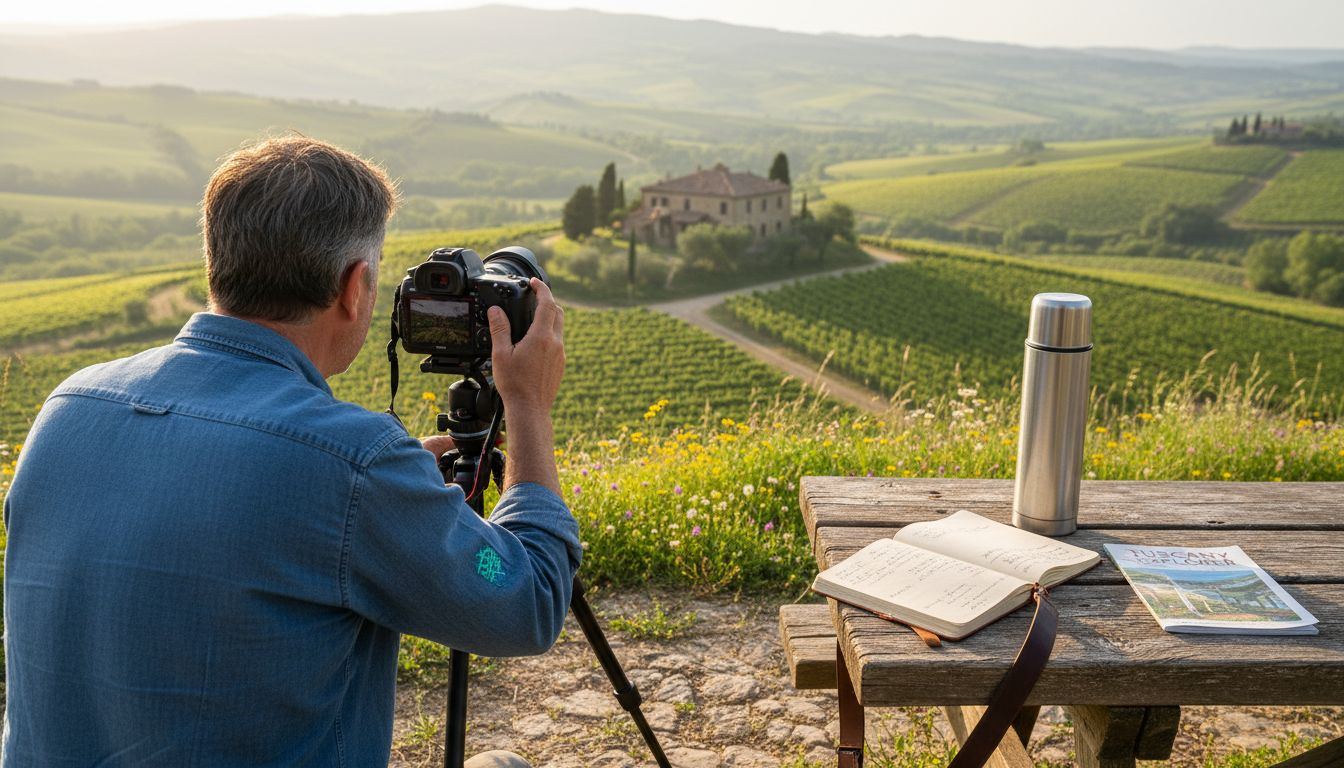
Narrative Construction involves understanding how individual images connect to form a cohesive story. Sensory storytelling techniques help transport viewers into the moment, allowing them to experience the emotional landscape of a journey through carefully curated visual sequences.
Pro tip: Develop a pre-trip research strategy that helps you understand local cultural nuances, enabling more authentic and meaningful photographic storytelling.
Types of visual narratives in travel images
Visual narrative techniques transform travel photography from simple documentation to complex storytelling, capturing the nuanced experiences of different cultures and landscapes. These narratives go beyond single images, creating interconnected visual stories that reveal deeper emotional and cultural contexts.
Travel photographers typically utilize several distinct types of visual narratives:
- Portrait Narratives: Focusing on individual personalities and human experiences
- Environmental Storytelling: Capturing the broader context of a location
- Lifestyle Documentaries: Revealing authentic daily interactions
- Thematic Series: Exploring specific cultural or emotional themes
- Sensory Landscape Narratives: Conveying the atmosphere and emotional landscape of a place
Each narrative type requires a unique approach to composition and storytelling. Photographic storytelling involves carefully selecting images that work together to communicate a comprehensive experience, moving beyond individual snapshots to create a cohesive visual journey.
Visual narrative composition demands intentional sequencing, where each image contributes to a larger story. Photographers must consider how individual photographs connect, using visual elements like color, emotion, and context to guide viewers through a meaningful exploration of a place and its culture.
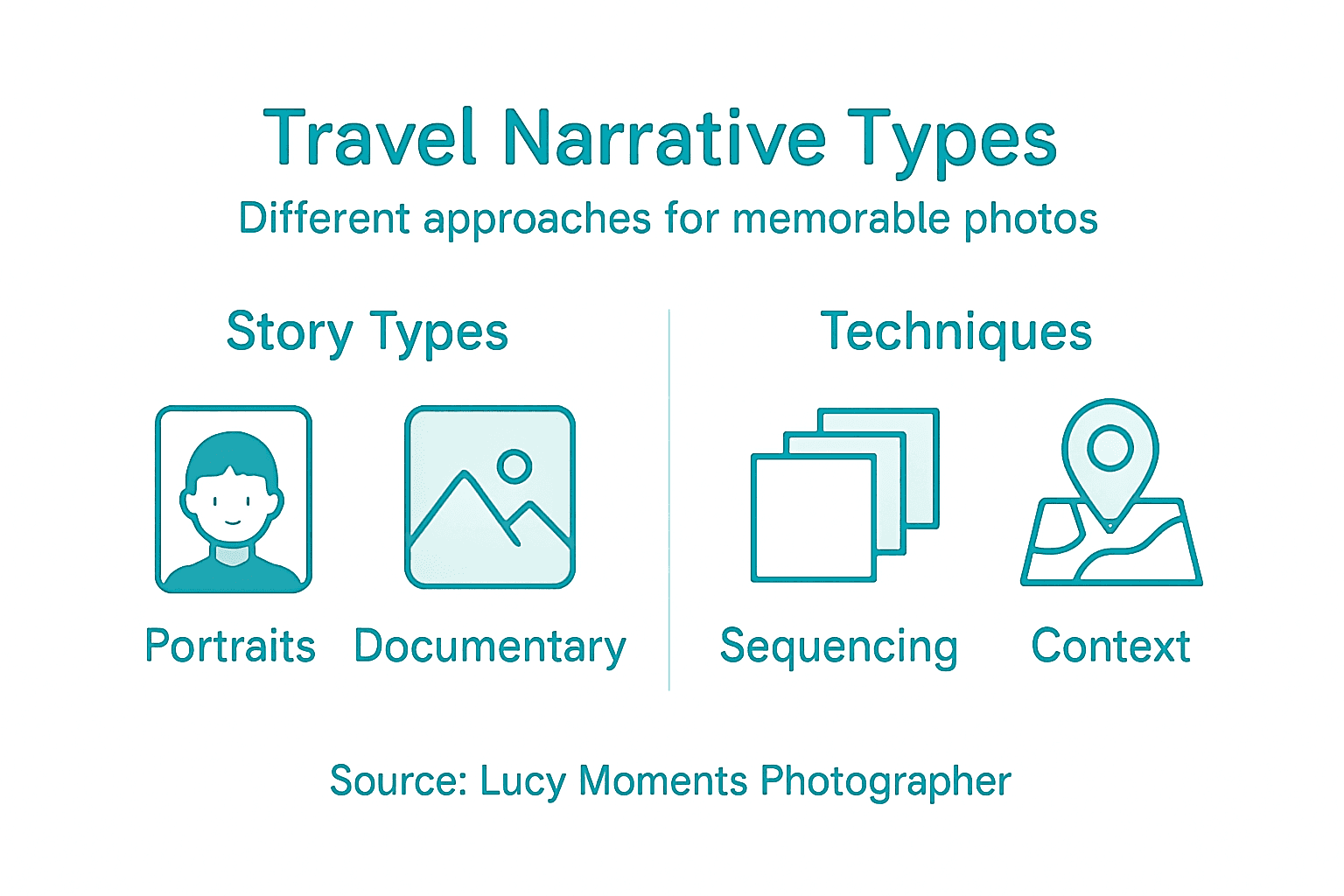
Here is a summary of how different travel photography narrative types contribute to storytelling effectiveness:
| Narrative Type | Unique Strength | When to Use |
|---|---|---|
| Portrait Narratives | Show personal connection | Highlight individual stories |
| Environmental Storytelling | Convey sense of place | Showcase location context and mood |
| Lifestyle Documentaries | Illustrate daily life authenticity | Capture natural interactions |
| Thematic Series | Explore recurring themes | Unify photos with consistent topic |
| Sensory Landscape Narratives | Evoke atmosphere and emotion | Communicate ambient feelings |
Pro tip: Create a visual storyboard before your trip, outlining the narrative types you want to capture to ensure a more intentional and cohesive photographic journey.
Emotional impact and client connection
Storytelling techniques in travel photography transcend mere visual documentation, creating profound emotional bridges between photographers, subjects, and viewers. These powerful narratives transform images from simple recordings into deeply meaningful experiences that connect people across cultural and geographical boundaries.
Key elements for creating emotional resonance include:
- Capturing genuine human vulnerability
- Revealing authentic cultural interactions
- Highlighting universal human experiences
- Embracing both serene and challenging moments
- Using light and composition to evoke specific emotions
Emotional storytelling requires photographers to move beyond technical perfection, focusing instead on the raw, unscripted moments that reveal true human experiences. By selecting images that communicate deeper truths, photographers can create visual journeys that resonate on a visceral, personal level.
Emotional photography techniques demonstrate that true connection comes from vulnerability - knowing when to put the camera down and fully experience a moment, and when to capture its essence. This approach transforms photography from a passive act of observation to an active process of human connection and understanding.
Pro tip: Practice emotional intelligence during photo sessions, creating a safe and comfortable environment that allows subjects to reveal their most authentic selves.
Challenges and mistakes in storytelling journeys
Travel photography journeys are rarely perfect, with unexpected challenges disrupting visual storytelling at every turn. Photographers must develop resilience and adaptability to transform potential obstacles into opportunities for authentic narrative creation.
Common challenges in travel photography storytelling include:
- Unpredictable weather conditions
- Challenging lighting environments
- Limited access to desired locations
- Cultural communication barriers
- Equipment limitations or failures
- Personal fatigue and creative exhaustion
Technical preparedness becomes crucial in navigating these potential roadblocks. Successful photographers anticipate potential issues by developing comprehensive backup strategies, including redundant equipment, alternative shooting techniques, and flexible narrative approaches that can adapt to changing circumstances.
This table outlines common storytelling challenges in travel photography and effective adaptation tips:
| Challenge | Impact on Story | Adaptation Strategy |
|---|---|---|
| Unpredictable weather | Alters atmosphere | Use mood to enhance storytelling |
| Cultural communication barriers | Limits access | Learn basic phrases, use gestures |
| Equipment limitations | Missed moments | Pack backups, use creative methods |
| Personal fatigue | Reduces focus | Schedule breaks, pace yourself |
| Lighting difficulties | Flat images | Adjust settings, seek best times |
Most storytelling mistakes emerge from rigid expectations and a lack of spontaneity. Photographers often struggle when they attempt to force predetermined narratives instead of remaining open to the authentic, unexpected moments that truly capture the essence of a place and its people. The most powerful stories frequently emerge from unplanned interactions and genuine, unscripted experiences.
Pro tip: Pack lightweight, versatile backup equipment and maintain a flexible mindset that allows you to reimagine your storytelling approach when original plans become impossible.
Bring Your Travel Story to Life with Lucy Moments PHOTOGRAPHER
Travel photography storytelling often faces challenges like capturing authentic human connections and conveying the emotional depth of a place. The article highlights the importance of cultural sensitivity, emotional resonance, and visual narrative techniques that create immersive stories rather than just snapshots. If your goal is to document your unique journey with genuine emotion and breathtaking landscapes, you need a photographer who understands how to translate those moments into lasting memories.
At Lucy Moments PHOTOGRAPHER, we specialize in crafting personalized visual stories set against Iceland’s rugged beauty. Our approach embraces authentic emotional storytelling and cultural connection to ensure your travel experience is captured with honesty and artistry. Whether you are an adventurous traveler or a couple seeking to document your meaningful journey, you can explore how we bring storytelling techniques to life on our official website.

Experience the difference of travel photography that truly tells your story. Visit Lucy Moments PHOTOGRAPHER today to discover how we can help you capture evocative, heartfelt images that go beyond the surface. Book your session now to start transforming your Iceland adventure into an unforgettable visual narrative.
Frequently Asked Questions
What is storytelling in travel photography?
Storytelling in travel photography involves crafting a cohesive narrative through a series of carefully selected and sequenced images that capture the essence of human experiences, cultural connections, and emotional moments.
How can I improve my storytelling techniques in travel photography?
To improve storytelling techniques, consider using deliberate framing, answering the 5Ws (who, what, where, when, why), and maintaining emotional authenticity by capturing genuine human interactions and environmental details.
What are the types of visual narratives in travel photography?
Common types of visual narratives include portrait narratives, environmental storytelling, lifestyle documentaries, thematic series, and sensory landscape narratives, each focusing on different aspects of a story and requiring unique approaches to composition.
How can I create an emotional impact in my travel photography?
To create an emotional impact, focus on capturing genuine human vulnerability, authentic cultural interactions, and universal human experiences, while using light and composition strategically to evoke specific emotions in your images.