Mastering mood in photographic storytelling for Iceland
Mastering mood in photographic storytelling for Iceland ! Lone traveler on Icelandic black sand beach You've captured Iceland's dramatic waterfalls and vast glaciers, yet your photos feel flat.
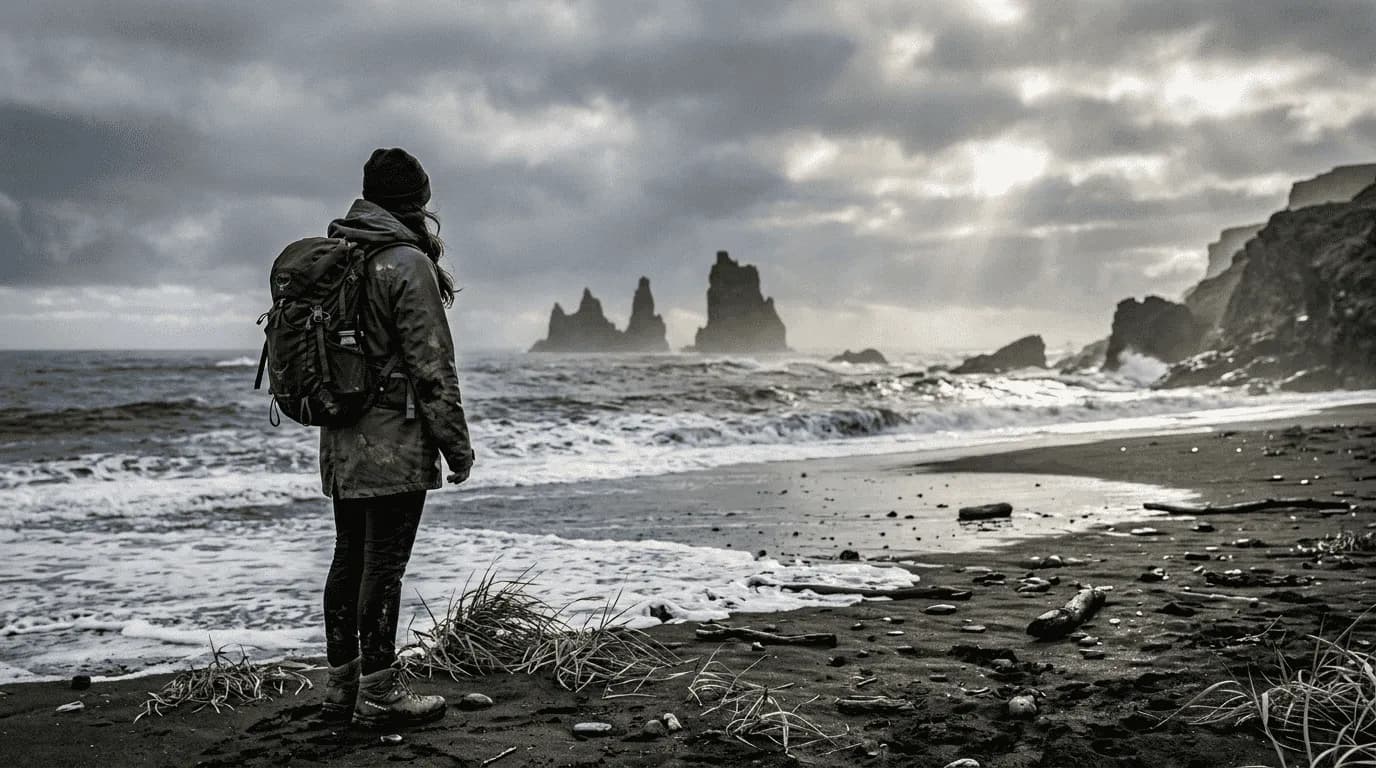
You’ve captured Iceland’s dramatic waterfalls and vast glaciers, yet your photos feel flat. The missing ingredient isn’t better gear or composition rules. It’s mood, the emotional pulse that transforms technical shots into compelling stories. Adventure travelers and couples visiting Iceland want more than scenic records. They crave images that preserve the exhilaration of standing beneath a cascade, the intimacy of a quiet moment on black sand beaches, or the awe of witnessing the northern lights together. This guide reveals how to harness mood through strategic timing, intentional lighting choices, and purposeful editing to create photographs that resonate emotionally long after your Iceland journey ends.
Table of Contents
- Understanding The Role Of Mood In Photographic Storytelling
- Techniques To Capture And Enhance Mood In Adventure Photography
- Comparing Mood-Building Methods For Different Storytelling Effects
- Applying Mood Mastery To Capture Your Iceland Adventure Journey
- Discover Expert Iceland Photography Services
- Frequently Asked Questions
Key takeaways
| Point | Details |
|---|---|
| Mood creates emotional connection | It transforms photos from visual records into stories that engage viewers’ feelings and memories. |
| Timing captures authenticity | Anticipating emotional peaks during your adventure yields genuine moments that reveal your narrative. |
| Lighting shapes viewer response | Strategic use of contrast, backlighting, and natural light guides how people feel when viewing your images. |
| Color grading directs emotion | Warm tones evoke joy and comfort while cool palettes suggest solitude or contemplation in Iceland’s landscapes. |
| Intentional editing preserves truth | Post-processing choices should enhance mood without sacrificing the authentic experience of your journey. |
Understanding the role of mood in photographic storytelling
Mood conveys the feeling beyond what’s visible in the frame, engaging viewers emotionally rather than just visually. A technically perfect image of Seljalandsfoss can document the waterfall’s height and power, but mood reveals whether you felt dwarfed by nature’s force, peaceful in the mist, or connected to your partner in that moment. In adventure travel photography, mood captures your journey’s emotional arc: the nervous excitement before a glacier hike, the quiet intimacy of watching sunset at Reynisfjara, or the triumphant joy of reaching a remote hot spring.
The most impactful images often capture raw, authentic emotions which are key to storytelling. These genuine moments reveal the narrative within your photos, showing not just where you went but how the experience changed you. When viewers see vulnerability, wonder, or connection in your Iceland images, they’re witnessing your story unfold through emotional truth rather than scenic documentation.
Mood manifests through several photographic elements working in harmony:
- Lighting quality and direction establish the emotional foundation of each scene
- Compositional choices guide viewers’ eyes and influence their emotional response
- Color palette and saturation levels affect how people interpret the feeling
- Timing and the decisive moment capture peak emotional authenticity
- Subject interaction and body language communicate relationship dynamics and individual feelings
Photographers who master storytelling in travel photography develop an instinct for sensing emotional peaks before they happen. You learn to recognize when your partner’s expression shifts from concentration to pure joy, when the light transforms from ordinary to magical, or when a quiet moment deserves preservation. This anticipation separates documentary snapshots from emotionally resonant stories.
Pro Tip: Keep your camera ready during transitions between planned shots. The unguarded moments while hiking to your next location or waiting for weather to shift often reveal the most authentic emotions and genuine connections.
Techniques to capture and enhance mood in adventure photography
Capturing mood begins in the field with deliberate choices about timing and light. The decisive moment in photography isn’t just about action; it’s about recognizing when emotion peaks and expression becomes genuine. During your Iceland adventure, watch for these moments: your partner’s face when first seeing Jökulsárlón’s icebergs, the concentration before jumping into a glacial river, or the quiet contentment while soaking in a remote hot spring. Anticipate these peaks by staying present and observant rather than constantly reviewing your LCD screen.
Shaping mood with dramatic lighting and contrast guides viewers’ emotional responses and directs their focus within the frame. Iceland’s dynamic weather creates natural lighting opportunities that enhance storytelling. Low-key lighting with deep shadows suggests mystery or introspection, perfect for moody portraits against dark volcanic rock. Backlighting during golden hour creates ethereal separation and warmth, ideal for intimate couple moments. Hard light from midday sun produces strong contrast and drama, while soft overcast light flatters skin tones and creates even, contemplative moods.
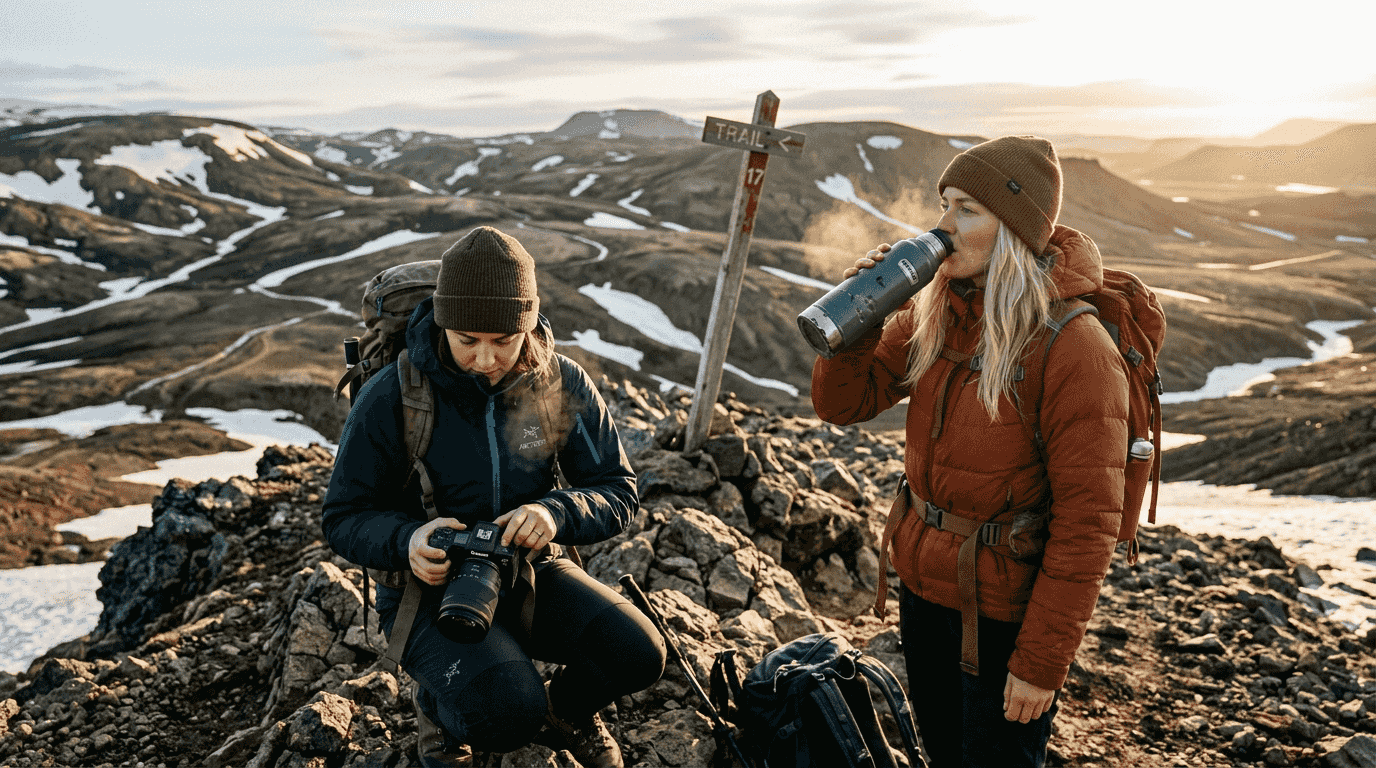
The role of light in portrait photography extends beyond technical exposure to emotional communication. Side lighting sculpts faces and reveals texture, adding dimension and depth to environmental portraits. Rim lighting separates subjects from Iceland’s vast landscapes while maintaining connection to place. Window light inside ice caves or through waterfall spray creates natural spotlighting that draws attention to expressions and gestures.
Color grading in post-processing amplifies the emotional foundation you established while shooting. Setting the tone through color grading shows that cool tones evoke melancholy and introspection while warm tones convey joy and energy. Split toning adds complementary color casts to highlights and shadows, creating visual harmony that reinforces your narrative. HSL adjustments let you fine-tune specific color ranges, like deepening the blues in glacial ice or warming skin tones without affecting the environment.
| Technique | Emotional Effect | Best Iceland Scenarios |
|---|---|---|
| Low-key lighting | Mystery, drama, introspection | Black sand beaches at dusk, ice caves |
| Backlighting | Ethereal quality, separation, warmth | Golden hour at waterfalls, steam from hot springs |
| Cool color grading | Solitude, contemplation, vastness | Glaciers, winter landscapes, overcast days |
| Warm color grading | Joy, intimacy, comfort | Sunset moments, campfire scenes, cozy interiors |
| Desaturation | Timelessness, focus on form | Minimalist landscapes, emotional portraits |
Post-processing refinements enhance mood through subtle adjustments. White balance shifts change the entire emotional temperature of an image. Dodging brightens areas to draw attention, while burning darkens regions to create depth and guide the eye. Clarity and texture adjustments affect how viewers perceive sharpness and detail, with lower clarity creating dreamier moods and higher clarity emphasizing rugged textures in Iceland’s landscapes.
Pro Tip: Create custom LUTs (lookup tables) that match your emotional storytelling style. Apply them as a starting point during editing to maintain consistent mood across your Iceland adventure series while preserving flexibility for individual image adjustments.
Comparing mood-building methods for different storytelling effects
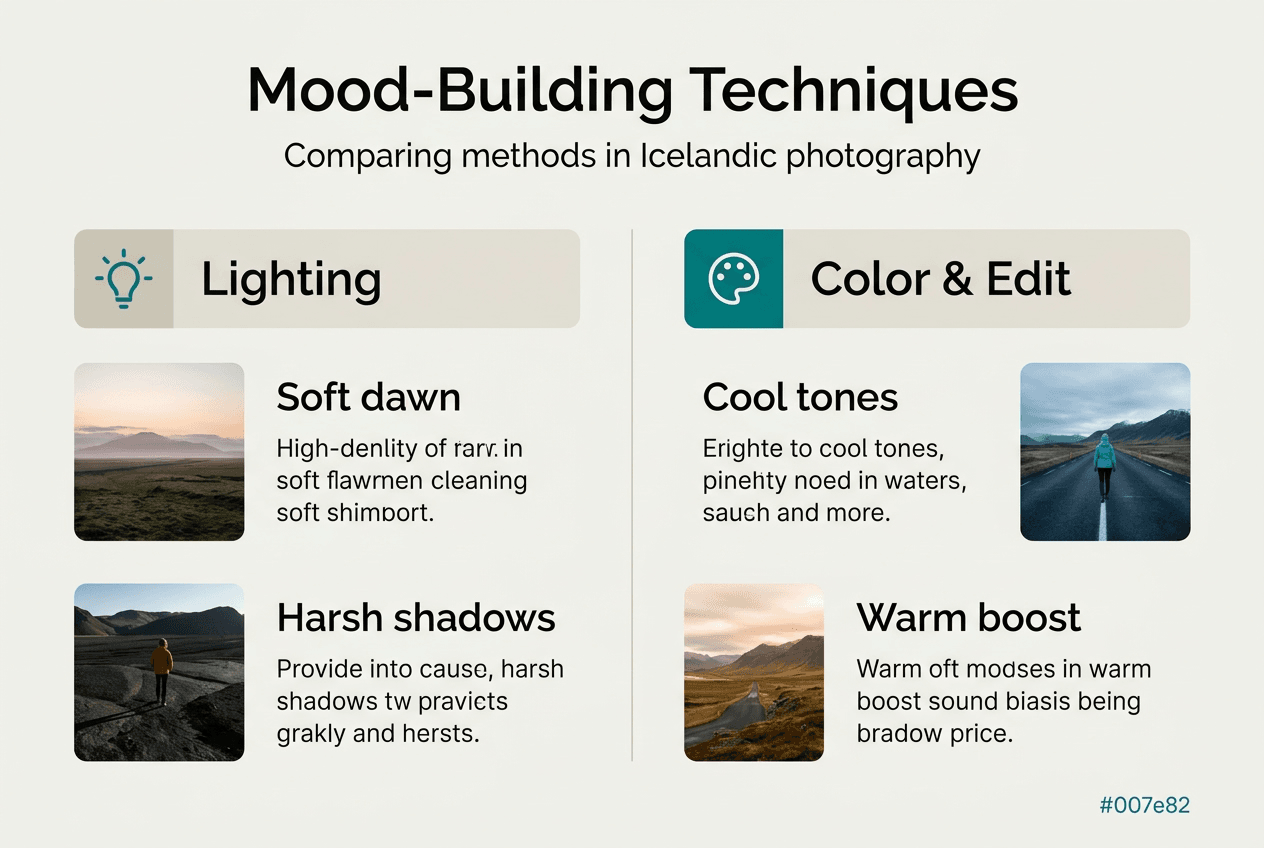
Lighting style choices fundamentally alter how viewers emotionally interpret your Iceland images. Soft, diffused light from overcast skies creates even, gentle moods that work beautifully for intimate couple portraits and contemplative solo shots. This lighting reduces harsh shadows and minimizes distractions, focusing attention on expressions and connections. Hard, directional light from low-angle sun produces dramatic shadows and strong contrast, perfect for conveying strength, determination, or the raw power of Iceland’s landscapes. Side lighting reveals texture and dimension, adding complexity to both environmental scenes and portrait work.
Color palette decisions guide emotional responses in predictable yet powerful ways. Warm color schemes with oranges, yellows, and reds evoke feelings of comfort, joy, and energy. These palettes suit celebration moments, romantic sunset scenes, and images conveying adventure’s excitement. Cool palettes dominated by blues, teals, and purples suggest solitude, contemplation, or melancholy. They’re ideal for conveying Iceland’s vast emptiness, introspective moments, or the otherworldly quality of glacial landscapes and winter scenes.
Picture modification techniques like grayscale conversion alter emotional response significantly by removing color’s influence and emphasizing form, texture, and tonal relationships. Grayscale images often feel timeless and classic, directing viewers to focus on composition, light quality, and subject expression without color’s emotional shortcuts. Desaturated color retains subtle hues while creating muted, sophisticated moods that balance color’s emotional impact with grayscale’s emphasis on form.
| Mood Element | Approach A | Approach B | Storytelling Effect |
|---|---|---|---|
| Color Temperature | Warm (3000-4500K) | Cool (6500-8000K) | Warm conveys intimacy and joy; cool suggests vastness and solitude |
| Saturation Level | Vibrant, full saturation | Muted, reduced saturation | Vibrant energizes and excites; muted creates sophistication and calm |
| Contrast | High contrast, deep blacks | Low contrast, lifted shadows | High adds drama and intensity; low creates dreaminess and softness |
| Light Direction | Backlighting, rim light | Front lighting, even light | Backlighting separates and creates glow; front lighting reveals detail clearly |
Strategic planning ensures your mood choices align with the story you want to tell. Follow these steps to deliberately craft emotional impact:
- Identify the core emotion of your Iceland adventure narrative before shooting
- Select lighting times and conditions that naturally support that emotional tone
- Choose color grading approaches during editing that reinforce your intended mood
- Review your image sequence to ensure emotional consistency across your story
- Refine individual images to maintain the overall narrative arc while allowing natural variation
The role of photographer in adventure travel includes understanding how different mood techniques layer together for complex emotional effects. Combining warm color grading with soft light creates nurturing, intimate feelings perfect for quiet couple moments. Pairing cool tones with hard, directional light produces stark, powerful moods that emphasize Iceland’s raw nature. Mixing high contrast with selective desaturation draws attention to specific elements while maintaining overall color context.
Pro Tip: Create mood boards before your Iceland trip featuring images that capture the emotional tone you want to achieve. Reference these boards while shooting to guide your lighting and composition choices, then again during editing to maintain consistent emotional direction across your adventure series.
Applying mood mastery to capture your Iceland adventure journey
Deliberate planning around emotionally significant moments elevates your Iceland photography from random documentation to intentional storytelling. Identify experiences likely to generate strong feelings: your first view of a massive waterfall, the challenge of hiking across a glacier, the intimacy of sharing a remote hot spring, or the awe of witnessing the northern lights. Schedule shoots around these moments when possible, ensuring you’re prepared with appropriate gear and mental presence to capture authentic emotions as they unfold.
Communication with your partner or travel companions brings out genuine emotions that cameras can capture. Understanding travel concepts and associated emotions helps attract travelers seeking emotional experiences and guides how you facilitate those feelings during shoots. Discuss what each location or activity means to you both before arriving. Share fears, excitement, or personal significance. This emotional priming creates authentic expressions and interactions that reveal your relationship’s depth and your individual responses to Iceland’s dramatic environment.
Applying lighting and color techniques in-camera establishes your mood foundation before post-processing begins:
- Scout locations at different times to understand how light changes throughout the day
- Use Iceland’s extended golden hours during summer or dramatic winter light for warm, intimate moods
- Embrace overcast conditions for soft, even light that flatters portraits and creates contemplative feelings
- Adjust white balance in-camera to preview color temperature effects on your LCD screen
- Expose for highlights in high-contrast scenes to preserve detail in bright areas while accepting deeper shadows
Post-processing preserves authenticity while enhancing the emotional truth of your experience. Edit with restraint, asking whether each adjustment brings viewers closer to how the moment felt rather than creating artificial drama. Enhance existing light quality rather than manufacturing new lighting in post. Amplify color relationships that were present in the scene rather than introducing unnatural hues. Maintain skin tones that look healthy and realistic even when pushing environmental colors toward creative extremes.
Experiential photography focused on personal journeys requires thoughtful editing that respects the genuine experience while crafting compelling visual stories. Your editing choices should serve the narrative, not your technical skills demonstration. If a moment felt quiet and contemplative, resist the urge to add drama through excessive contrast or saturation. If an experience was exhilarating and intense, don’t mute it with overly subdued processing.
Maintaining a visual journal throughout your Iceland adventure supports skill development and storytelling growth:
- Photograph daily with intention, not just at famous landmarks
- Write brief notes about how locations and experiences made you feel
- Review images each evening to identify which shots captured authentic emotion
- Analyze why certain images succeed at conveying mood while others fall flat
- Experiment with different processing approaches on similar scenes to understand their emotional effects
Understanding why photography matters for memories during your Iceland adventure motivates the extra effort mood mastery requires. These images become more than vacation souvenirs. They’re emotional artifacts that transport you back to specific feelings, relationship moments, and personal growth experiences. When you look at a photo five years later and immediately recall not just what you saw but how you felt, you’ve succeeded in capturing mood that transcends simple documentation.
Discover expert Iceland photography services
Mastering mood in your Iceland adventure photography takes practice, patience, and often expert guidance to capture your emotional journey authentically. Professional photographers who specialize in Iceland’s unique landscapes and lighting conditions bring insider knowledge about optimal shooting times, hidden locations, and weather pattern predictions that maximize your opportunities for mood-rich images.

Customized adventure and couples photography sessions in Iceland’s most dramatic settings ensure you’re present in your own story while an experienced eye captures the genuine emotions and connections that make your journey unique. Whether you’re seeking intimate portraits against glacial backdrops, adventurous shots during challenging hikes, or romantic moments at secluded waterfalls, expert photographers understand how to blend technical skill with emotional sensitivity.
Explore how professional Iceland photography services can document your adventure with the mood mastery and storytelling expertise that transforms beautiful locations into deeply personal visual narratives. Discover the best photography locations in Iceland that offer both stunning backdrops and emotional resonance for your unique story.
Frequently asked questions
How does mood influence storytelling in adventure photography?
Mood establishes the emotional context that transforms location documentation into personal narrative. It communicates how experiences felt, not just how they looked, allowing viewers to connect with your journey emotionally. Without intentional mood, adventure photos become generic scenic shots that could represent anyone’s trip rather than your unique emotional experience in Iceland’s landscapes.
What are the best lighting techniques to create mood in landscape photos?
Low-key lighting with deep shadows creates mystery and drama, perfect for moody environmental portraits against volcanic rock. Backlighting during golden hour produces ethereal separation and warmth ideal for intimate moments. Hard directional light emphasizes texture and creates strong contrast that conveys power and intensity, while soft overcast light generates even, contemplative moods. Each technique controls viewer focus and suggests different narrative elements like intimacy, strength, or introspection.
How can color grading change the emotional tone of my photos?
Warm color grading with enhanced oranges and yellows evokes comfort, joy, and energetic feelings perfect for celebration moments and romantic scenes. Cool grading emphasizing blues and teals suggests melancholy, solitude, or contemplation that suits Iceland’s vast glacial landscapes. Color temperature shifts guide viewer attention and reinforce your storytelling mood by creating visual harmony that supports rather than contradicts the emotional truth of your experience.
What tips help capture authentic emotions during adventure photo shoots?
Anticipate emotional peaks by staying observant during transitions between activities and planned shots when people naturally let their guard down. Build rapport with subjects through genuine conversation about what experiences mean to them personally, creating comfort that allows natural expressions. Keep your camera ready but avoid constant shooting; instead, watch for decisive moments when emotion genuinely surfaces. Communicate your intentions so subjects understand you’re seeking authentic connection rather than posed perfection.