Master photojournalism in travel storytelling in 2026
Master photojournalism in travel storytelling in 2026 ! Travel photojournalist working in rural Iceland Travel photography often gets dismissed as simple snapshots, but photojournalism transforms these moments into powerful narratives that connect viewers to place and people.
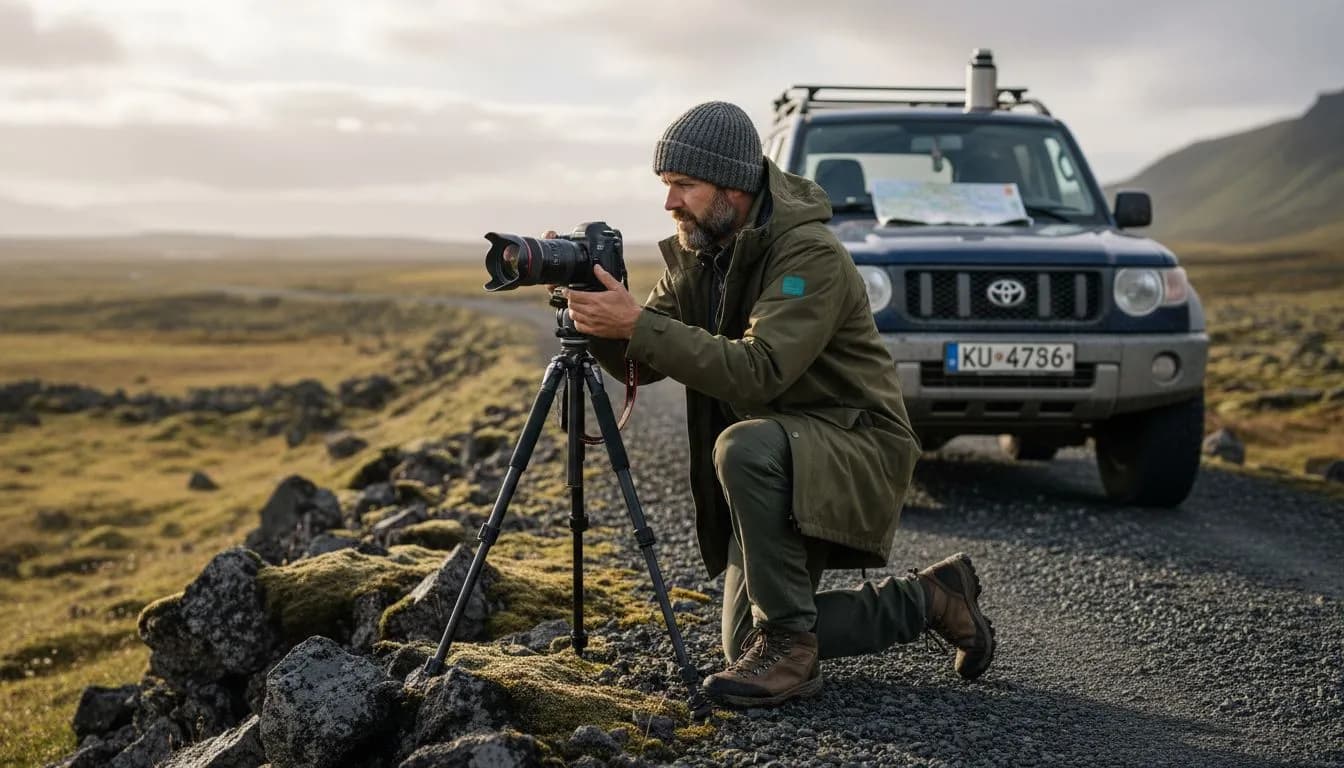
Travel photography often gets dismissed as simple snapshots, but photojournalism transforms these moments into powerful narratives that connect viewers to place and people. When you approach Iceland’s dramatic landscapes through a photojournalist’s lens, you’re not just capturing beauty, you’re documenting authentic human experiences against nature’s raw backdrop. This guide reveals how to master immersive photojournalism techniques that turn your Iceland adventures into compelling visual stories, from navigating dynamic weather conditions to building trust with subjects while respecting cultural boundaries.
Table of Contents
- Understanding The Role Of Photojournalism In Travel
- Navigating Iceland’s Unique Environment For Photojournalism
- Ethical Storytelling And Cultural Respect In Travel Photojournalism
- Applying Immersive Photojournalism To Document Icelandic Adventures
- Discover Professional Iceland Photography Services
Key takeaways
| Point | Details |
|---|---|
| Authentic storytelling | Photojournalism captures genuine travel narratives through immersive, emotionally resonant visuals that transcend simple documentation. |
| Iceland’s dynamic conditions | Shifting light and weather create compelling mood and composition opportunities that elevate photographic impact. |
| Ethical foundation | Building trust and respecting cultural norms enables genuine storytelling while avoiding exploitation or stereotypes. |
| Strategic gear preparation | Weatherproof equipment and protective accessories ensure sharp, high-quality images in challenging Icelandic environments. |
| Narrative sequencing | Deliberate photo series using context, conflict, and resolution structures foster deep audience connection and memory. |
Understanding the role of photojournalism in travel
Photojournalism differs fundamentally from general travel photography by prioritizing authentic human stories over aesthetic perfection. While typical travel images focus on landmarks and scenic vistas, photojournalism documents the lived experiences of people within those landscapes, revealing cultural truths and emotional depth. This approach transforms your Iceland journey from a visual catalog into a narrative that resonates with viewers long after they’ve scrolled past.
The distinction matters because photography shapes policy, memory, and culture more powerfully than words alone. When you photograph a fisherman mending nets in a remote Icelandic village, you’re not just capturing a picturesque scene. You’re preserving a vanishing way of life, documenting economic realities, and creating visual testimony that influences how future generations understand this moment. This responsibility elevates your work beyond tourism snapshots into meaningful cultural documentation.
Effective photojournalism requires empathy, patience, and genuine human connection. You can’t rush authentic moments or manufacture emotional truth. Emily Garthwaite’s photojournalism philosophy emphasizes connection over spectacle, encouraging photographers to spend time with subjects, understand their stories, and earn trust before raising the camera. This approach yields images that feel intimate rather than invasive, collaborative rather than extractive.
Consider these core principles when developing your photojournalistic approach:
- Prioritize authentic moments over posed perfection
- Invest time building rapport before photographing subjects
- Document context alongside individual portraits to tell complete stories
- Respect boundaries and honor subjects’ dignity in every frame
Applying storytelling in travel photography means thinking beyond individual images to create narrative sequences. Your Iceland portfolio should function like chapters in a book, each photograph advancing the story while contributing to a cohesive whole. This narrative structure transforms disconnected images into compelling visual journalism that educates, inspires, and preserves cultural memory.
Navigating Iceland’s unique environment for photojournalism
Iceland’s photographic landscape demands adaptability and technical preparation. The country’s shifting light matters more than specific landmarks when creating impactful images, as the interplay between low-angle sun, volcanic terrain, and atmospheric moisture produces lighting conditions that change minute by minute. Rather than planning your shoot around famous locations, structure your days around optimal light quality and weather patterns.
Weather functions as a creative collaborator in Iceland photography. Clouds, fog, and shifting light add character that transforms ordinary compositions into emotionally resonant images. A waterfall photographed in bright sunshine looks vastly different under moody overcast skies, and neither version is objectively better. The key is matching weather conditions to your narrative intent, using atmospheric elements to reinforce the story you’re telling.
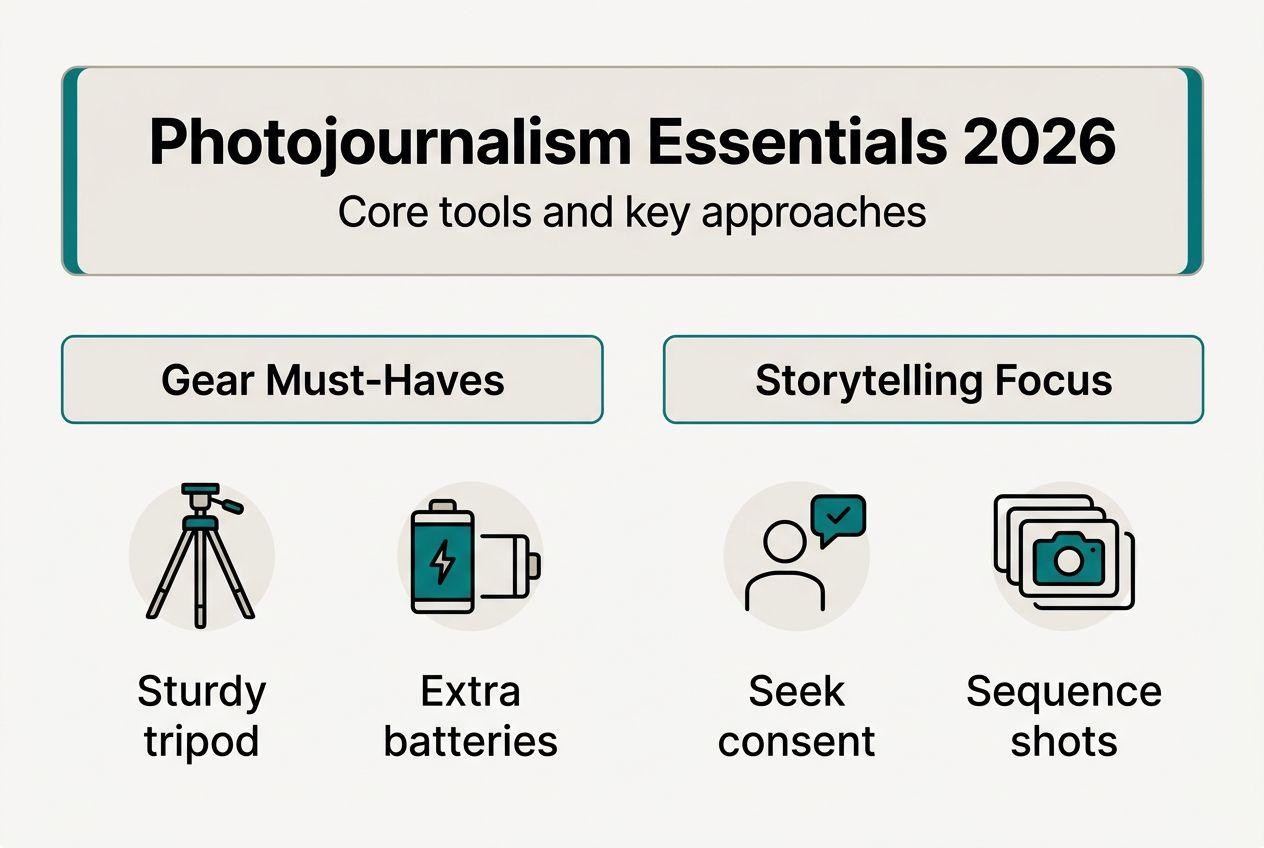
Practical gear considerations become critical in Iceland’s challenging conditions. A sturdy tripod proves essential for long exposures of waterfalls and northern lights, while lens cleaning cloths must remain constantly accessible as mist and sea spray coat your glass within minutes. Weatherproof camera bodies and lenses protect your investment, but even weather-sealed equipment benefits from additional rain covers during Iceland’s frequent precipitation.
Pro Tip: Pack twice as many batteries as you think necessary, as cold temperatures drain power rapidly and remote locations offer no charging opportunities between shooting sessions.
Different Icelandic conditions require distinct photographic approaches. This comparison helps you prepare:
| Weather Condition | Best Photography Approach | Recommended Settings |
|---|---|---|
| Bright sunshine | Shoot during golden hour, use polarizing filters | Lower ISO, faster shutter speeds |
| Overcast skies | Embrace diffused light for portraits and details | Moderate ISO, balanced exposure |
| Rain and mist | Protect gear, capture atmospheric mood | Higher ISO, stabilize for sharpness |
| Northern lights | Use tripod, manual focus on infinity | High ISO, long exposure, wide aperture |
When photographing waterfalls, experiment with shutter speeds between 1/4 second and 2 seconds to achieve that silky water effect while retaining texture and detail. For northern lights, start with 15 to 25 second exposures at ISO 1600 to 3200, adjusting based on aurora intensity and ambient light pollution. These technical foundations from Iceland photography tips ensure your images meet professional standards while preserving the authentic character of each moment.
Understanding how to capture Iceland natural light transforms technical competence into artistic expression. The country’s high latitude produces extended golden hours during summer and dramatic blue hours in winter, creating opportunities for rich, dimensional lighting that adds depth to photojournalistic narratives. Plan shooting schedules around these premium light windows rather than midday hours when harsh overhead sun flattens landscapes and washes out color.
Ethical storytelling and cultural respect in travel photojournalism
Building trust with subjects forms the foundation of ethical photojournalism. You cannot create authentic images of people you’ve just met without first establishing genuine rapport and mutual respect. This process requires time, cultural sensitivity, and willingness to prioritize relationships over capturing the perfect shot. Approach potential subjects with curiosity rather than agenda, asking questions about their lives and listening deeply before mentioning your camera.
Follow these steps to build authentic connections:
- Introduce yourself and explain your photographic project honestly
- Spend time conversing without photographing to establish comfort
- Ask explicit permission before raising your camera
- Show subjects images you’ve captured and respect requests to delete
- Share contact information and follow through on promises to send photos
When photographing indigenous cultures, ethical considerations demand respect and consent above all other priorities. Some communities have specific protocols around photography, including restrictions on photographing sacred sites, ceremonies, or individuals without formal permission from community leaders. Research these cultural norms before your trip and err on the side of caution when uncertain. A missed photograph is always preferable to cultural violation or exploitation.
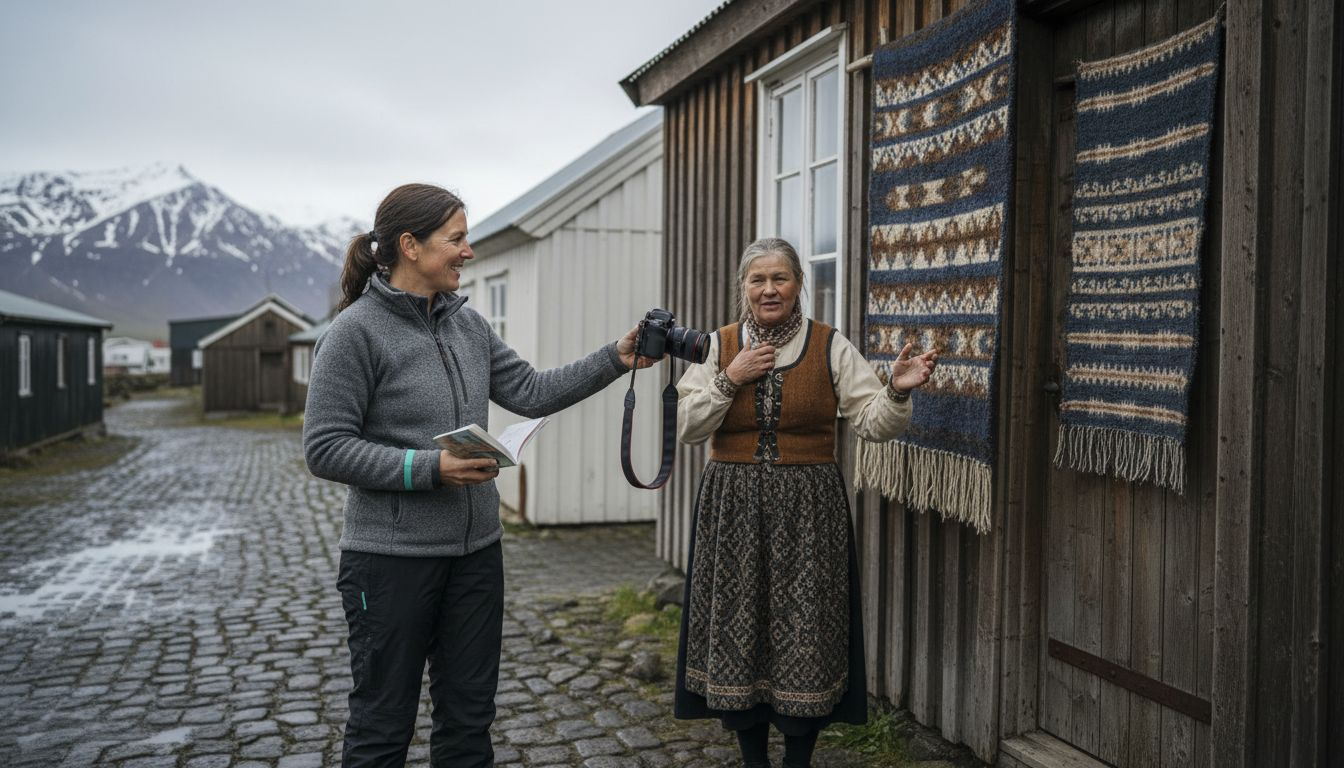
Pro Tip: Learn basic phrases in the local language to request permission and express gratitude, demonstrating respect and facilitating genuine connection beyond tourist interactions.
Responsible storytelling avoids exoticism and spectacle, instead presenting subjects as complex individuals within their cultural context. Your photojournalism should challenge stereotypes rather than reinforce them, showing the full humanity of people rather than reducing them to colorful props in your travel narrative. This means photographing ordinary moments alongside dramatic ones, documenting modern realities alongside traditional practices, and presenting subjects as active participants in their own stories rather than passive objects of your gaze.
Ethical photojournalism fosters meaningful human connection that enriches both photographer and subject. When you invest time building relationships, you gain access to intimate moments and authentic expressions that surface-level interactions never reveal. These connections often prove more valuable than the photographs themselves, transforming your travel experience from voyeuristic tourism into genuine cultural exchange. The Iceland photo shoot checklist includes ethical considerations alongside technical preparation, ensuring your photographic practice honors both craft and conscience.
Applying immersive photojournalism to document Icelandic adventures
Photojournalism in travel documents unique experiences through immersive storytelling that connects viewers emotionally to place and people. This approach requires thinking beyond individual images to create narrative sequences that function like visual essays. Your Iceland photo series should establish context, introduce characters, build tension through challenges or conflicts, reach emotional climax, and offer resolution that leaves viewers with lasting impressions.
Effective storytelling with visuals applies narrative logic similar to written stories, using composition, sequencing, and deliberate pacing to guide viewer attention and emotional response. Begin your photo essay with establishing shots that orient viewers to location and atmosphere. Progress to tighter portraits and detail shots that reveal character and texture. Build toward climactic moments that capture peak emotion or action. Conclude with reflective images that provide closure and invite contemplation.
This comparison illustrates the difference:
| Photojournalism Storytelling | Casual Travel Photos |
|---|---|
| Sequential narrative with beginning, middle, end | Random collection of favorite moments |
| Contextual images establish setting and culture | Isolated landmarks without human element |
| Emotional arc builds viewer investment | Flat emotional tone throughout |
| Deliberate composition advances story | Composition prioritizes aesthetics only |
| Images work together as cohesive essay | Each photo stands alone |
Immersive storytelling fosters audience connection by creating emotional investment in the narrative. When viewers follow a visual story from introduction through resolution, they form memories and associations that persist far longer than reactions to beautiful but disconnected images. This depth of engagement transforms passive viewers into active participants who care about the people and places you’ve documented.
Practical tips for planning effective photo series:
- Scout locations and identify potential narrative threads before shooting
- Photograph wide, medium, and tight shots of each scene for editing flexibility
- Capture transitional moments between major events to maintain flow
- Include environmental portraits showing subjects in their contexts
- Document small details that reveal character and cultural specificity
Use lighting, composition, and sequencing deliberately to enhance narratives. Harsh light might underscore difficulty or conflict, while soft golden light suggests resolution or peace. Low angles convey power or triumph, while eye-level perspectives foster intimacy and equality. Tight crops create tension, wide shots provide relief. Every technical choice should serve your narrative intent, reinforcing the emotional journey you’re guiding viewers through. Explore best Iceland photography ideas to discover how technical mastery and storytelling vision combine in compelling photojournalism.
Discover professional Iceland photography services

Mastering photojournalism techniques opens new dimensions in travel photography, but working with experienced professionals accelerates your growth while ensuring you capture Iceland’s majesty at its finest. Expert Iceland photography services blend adventure guidance with storytelling mastery, helping you document your journey through images that resonate emotionally and technically excel. Whether you’re seeking landscape photography that captures Iceland’s raw beauty, couples sessions that preserve relationship milestones against volcanic backdrops, or documentary-style coverage of your entire adventure, professional photographers bring technical expertise and local knowledge that transforms good photos into exceptional visual narratives. Booking a session or workshop provides personalized instruction tailored to your skill level and creative vision, ensuring you return home with both stunning images and expanded photographic capabilities. Discover how professional Reykjavik photography storytelling can elevate your Iceland experience from memorable to unforgettable.
FAQ
What equipment is essential for photojournalism in Iceland?
A sturdy tripod, weatherproof camera body, lens cleaning cloths, extra batteries, and protective rain covers form the essential kit for Iceland photojournalism. Cold temperatures drain battery power rapidly, so pack at least twice your normal supply. Lens cloths must remain constantly accessible as mist and sea spray coat glass within minutes near waterfalls and coastlines. Reference the Iceland photo shoot checklist for comprehensive gear preparation that ensures sharp, high-quality shots regardless of challenging conditions.
How can I ethically photograph indigenous communities during my travels?
Always seek explicit consent before photographing individuals, invest time building trust and genuine rapport, respect cultural norms and restrictions around sacred sites or ceremonies, and avoid exploitation or stereotypical representations. Prioritize empathy and authentic human connection over capturing dramatic images. Learn about specific community protocols before your visit, as some cultures have formal permission processes through community leaders. Approach photography as collaborative cultural exchange rather than extractive documentation. Read more about ethical indigenous photography to deepen your understanding of respectful practices.
What storytelling techniques enhance travel photojournalism?
Apply narrative logic by structuring photo sequences with clear introduction, rising action, climax, and resolution that mirrors compelling written stories. Begin with establishing shots that orient viewers to location and atmosphere, progress through character development and conflict, build toward emotional peak moments, and conclude with reflective images offering closure. Sequence photos deliberately to create emotional investment and guide viewer attention through your narrative arc. Vary composition, perspective, and framing to maintain visual interest while advancing the story. Explore storytelling techniques in travel photography for deeper insights into creating cohesive visual narratives.
How does Iceland’s weather impact photojournalistic opportunities?
Iceland’s dynamic weather creates atmospheric conditions that add emotional depth and visual character to photojournalism. Clouds, fog, rain, and shifting light transform ordinary scenes into moody, compelling compositions that reinforce narrative intent. Rather than waiting for perfect sunshine, embrace weather as a creative collaborator that shapes story tone. Overcast skies provide diffused light ideal for portraits, while dramatic storms add tension and energy to landscape images. Adapt your shooting approach to current conditions instead of fighting against them, and you’ll discover that Iceland’s challenging weather produces the most memorable and emotionally resonant photographs.