Master location in photography: Iceland shots guide 2026
Master location in photography: Iceland shots guide 2026 ! Photographer scouting Icelandic waterfall landscape Most photographers believe that stunning gear and technical skill alone create memorable photos.
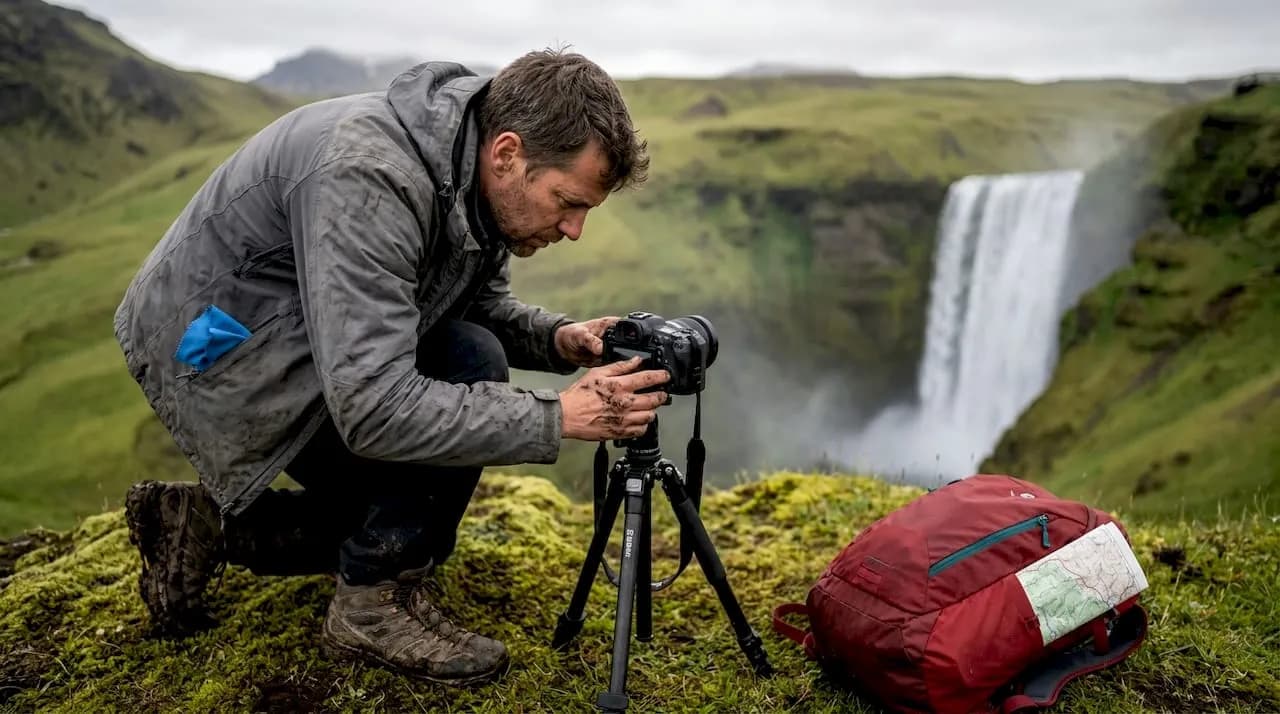
Most photographers believe that stunning gear and technical skill alone create memorable photos. In reality, the location you choose shapes the story, mood, and emotional impact of your images far more than any camera setting ever could. For adventure travelers and photography enthusiasts heading to Iceland, understanding how to find and leverage the right locations transforms ordinary landscape shots into powerful visual narratives. This guide reveals proven strategies for scouting, selecting, and adapting locations to capture Iceland’s raw beauty and your personal journey through emotive, storytelling photography that resonates with viewers long after they scroll past.
Table of Contents
- Key takeaways
- Why location matters more than you think in photography
- Mastering the mechanics of location scouting for Iceland photography
- Incorporating storytelling and natural elements to enhance Iceland landscape photography
- Applying location choices for flexible, adaptive Iceland photography shoots
- Capture your Iceland story with expert guidance
- Frequently asked questions
Key Takeaways
| Point | Details |
|---|---|
| Hybrid scouting approach | Effective location scouting blends digital planning with on ground exploration to maximize shooting opportunities. |
| Volatile Iceland demands flexibility | Iceland’s changing weather and terrain require adaptable planning and multiple location options. |
| Location drives storytelling | Thoughtful choice of setting with scale and context elevates emotion and narrative beyond technical prowess. |
| Planning and contingencies | Structured scouting with light planning and backup routes increases the chances of capturing emotive images. |
Why location matters more than you think in photography
Location determines whether your photograph tells a compelling story or simply documents a place. The geographic context you select influences everything from the emotional tone viewers perceive to the compositional opportunities available. In Iceland, where landscapes shift from black sand beaches to glacial lagoons within miles, your location choice becomes the foundation of your creative vision.
Consider how prioritizing hybrid scouting with virtual planning and on-ground flexibility helps capture personal experiences amid Iceland’s volatile conditions. The vastness of Icelandic terrain creates unique challenges. A waterfall photographed at dawn conveys serenity, while the same location under stormy skies evokes drama and power. Your strategic selection of where to position yourself and your subject transforms the viewer’s entire experience.
Three critical factors make location selection strategic rather than accidental:
- Lighting conditions change dramatically based on geographic features like mountains casting shadows or open plains allowing unobstructed golden hour light
- Natural elements such as volcanic rock formations, ice caves, or geothermal features provide textural variety impossible to replicate elsewhere
- Scale and perspective shift when you incorporate human figures or wildlife against Iceland’s massive landscapes, creating emotional connection
Many photographers treat location as mere backdrop, missing the opportunity to use environmental context as an active storytelling tool. When you photograph a couple standing at the edge of a glacier, the location itself communicates isolation, adventure, and the smallness of human experience against geological time. This narrative depth separates memorable images from forgettable snapshots.
Pro Tip: Scout locations at different times of day using apps like PhotoPills to visualize how light angles will change your composition, then visit your top three choices physically to identify unexpected obstacles or opportunities.
The relationship between location and photojournalism travel storytelling becomes especially apparent in Iceland’s dynamic environment. A location offering multiple vantage points allows you to adapt as weather shifts, ensuring you capture compelling images even when conditions deviate from your plan. Understanding this principle transforms how you approach every shoot, making location your most powerful creative asset.
Mastering the mechanics of location scouting for Iceland photography
Effective location scouting combines digital research with physical exploration, creating a framework that maximizes your shooting opportunities while minimizing wasted time. Iceland’s remote terrain and unpredictable conditions make this systematic approach essential for capturing the images you envision.
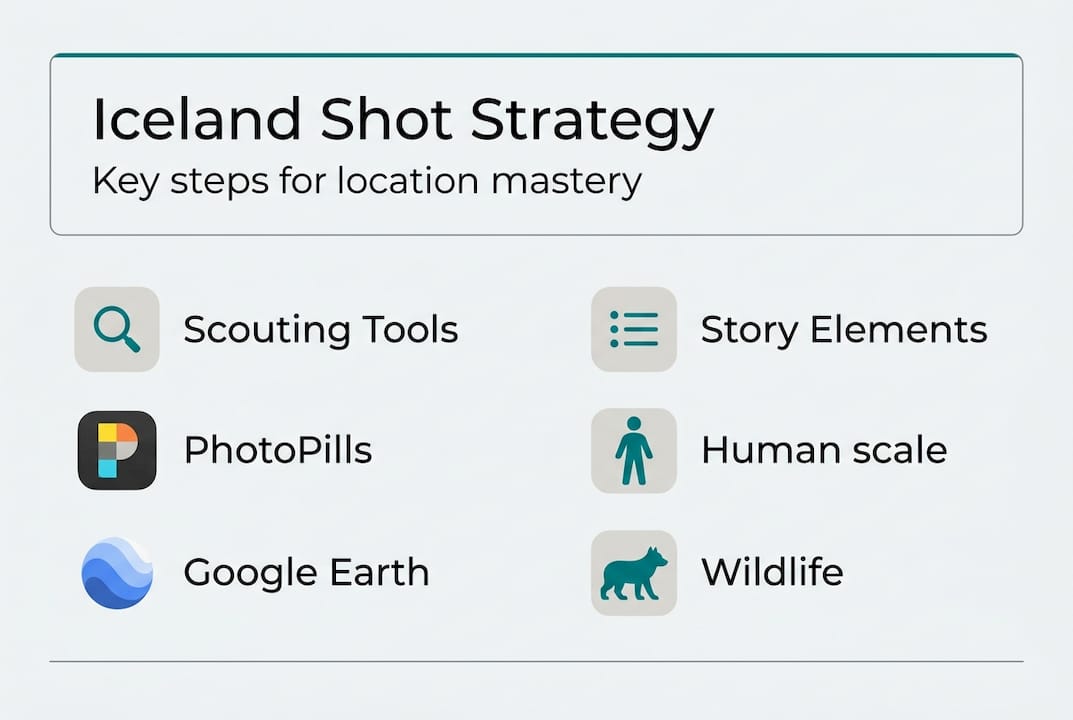
Professional photographers use pre-trip digital scouting with tools like Google Earth, Maps, and PhotoPills for light tracking, community insights, and contingency planning. Follow this proven four-step process:
- Map potential locations using Google Earth’s 3D terrain view to understand elevation changes, access routes, and surrounding geographic features that impact composition
- Cross-reference locations with PhotoPills to determine optimal shooting times based on sun position, golden hour duration, and moon phases for night photography
- Research local photographer blogs and Iceland-specific forums to discover hidden gems, current road conditions, and permit requirements for protected areas
- Create backup location lists organized by region, allowing quick pivots when weather forces changes to your shooting schedule
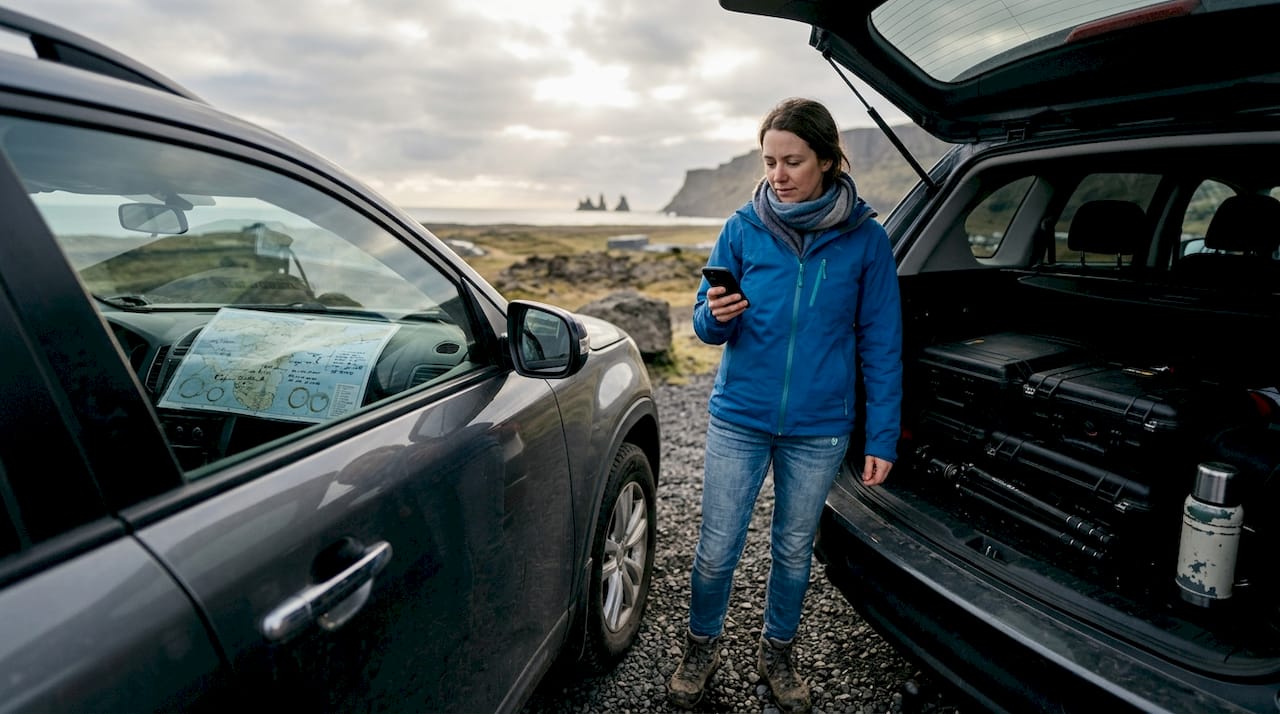
This systematic approach to adventure photoshoots in Iceland ensures you arrive prepared while maintaining flexibility. Digital scouting reveals what’s possible, but physical reconnaissance confirms reality.
| Scouting Tool | Primary Purpose | Iceland-Specific Benefit |
|---|---|---|
| Google Earth | Terrain analysis and access planning | Identifies safe approach routes to remote locations |
| PhotoPills | Light tracking and celestial events | Calculates exact golden hour timing for high latitude |
| Local forums | Community insights and conditions | Provides real-time weather and road closure updates |
| Weather apps | Forecast planning | Tracks rapidly changing Icelandic weather patterns |
Physical scouting completes your preparation. Visit priority locations at your planned shooting time to assess actual light quality, identify foreground elements, and spot potential hazards invisible on satellite imagery. Iceland’s weather can transform a location within hours, so note alternative compositions for different conditions.
Pro Tip: Photograph your scouting visits with your phone, noting exact GPS coordinates and time stamps, creating a visual reference library that speeds decision making during actual shoots when time is limited.
The combination of thorough digital research and targeted physical reconnaissance creates confidence. You’ll know exactly where to position yourself when that perfect light appears, and you’ll have contingency options ready when Iceland’s notorious weather demands adaptation. This preparation separates successful shoots from frustrating missed opportunities.
Incorporating storytelling and natural elements to enhance Iceland landscape photography
Selecting locations based purely on aesthetic beauty misses the deeper opportunity to craft visual narratives that resonate emotionally with viewers. Strategic location choice considers how environmental elements, scale, and context combine to tell compelling stories through your images.
Using human and wildlife elements for scale creates narrative depth in vast Iceland landscapes. A photograph of Skógafoss waterfall alone showcases natural beauty. Add a small human figure at the base, and suddenly the image communicates adventure, exploration, and the overwhelming power of nature. This transformation happens through intentional location selection that accommodates both landscape and subject.
| Approach | Viewer Impact | Emotional Response |
|---|---|---|
| Landscape only | Appreciation of beauty | Distant admiration |
| Landscape with human element | Personal connection | Identification and aspiration |
| Landscape with narrative context | Story engagement | Emotional investment |
Effective storytelling locations share specific characteristics that elevate your photography beyond documentation:
- Proximity to recognizable landmarks that anchor viewers in place while allowing unique perspectives
- Natural lighting conditions that shift mood, from soft dawn tones conveying hope to dramatic storm light suggesting challenge
- Environmental features that frame subjects naturally, such as rock formations creating leading lines or ice caves providing intimate enclosures
- Opportunities for subject interaction with landscape elements, enabling authentic moments rather than posed portraits
The connection between location choice and experiential photography capturing personal journeys becomes clear when you prioritize narrative potential over simple beauty. A couple walking toward a distant glacier tells a story of journey and discovery. The same couple standing static against the same backdrop creates a pretty picture but lacks narrative momentum.
Consider how your location enables or constrains storytelling. A black sand beach with scattered ice chunks offers multiple narrative possibilities: isolation, discovery, the meeting of elements. A perfectly manicured viewpoint with safety railings limits authentic storytelling opportunities. Seek locations where your subjects can interact naturally with their environment.
Pro Tip: Scout locations that offer layered compositions with foreground, middle ground, and background elements, allowing you to position subjects at different depths to control how viewers experience scale and story progression.
Understanding how photographers function as storytellers in Iceland requires recognizing that location selection directly impacts narrative effectiveness. Every geographic choice you make either supports or undermines the story you’re trying to tell. When location, subject, and environmental conditions align, your photographs transcend technical excellence to achieve emotional resonance that keeps viewers engaged.
Applying location choices for flexible, adaptive Iceland photography shoots
Even perfect planning requires on-the-ground adaptation when shooting in Iceland’s volatile environment. Successful photographers embrace flexibility, using their location knowledge to make real-time decisions that optimize results despite changing conditions.
The hybrid scouting approach with on-ground flexibility proves essential for capturing personal experiences when weather and light shift unpredictably. Develop your adaptive workflow through these practical steps:
- Prioritize your scouted locations by distance and optimal shooting windows, creating a geographic cluster approach that minimizes travel time between backup options
- Monitor weather forecasts hourly during shooting days, identifying which locations benefit from current conditions rather than fighting against them
- Communicate clearly with clients or travel companions about flexible timing, ensuring everyone understands that the best light might require schedule adjustments
- Embrace environmental unpredictability as creative opportunity, recognizing that unexpected fog, rain, or dramatic clouds often produce more compelling images than perfect blue skies
- Pack versatile gear including weather protection, multiple lenses, and backup batteries, enabling quick pivots without returning to base camp
This adaptive mindset transforms potential frustration into creative opportunity. When your primary location becomes inaccessible due to road closures, your backup list ensures you’re still shooting rather than waiting. When harsh midday light makes landscapes flat, you shift to intimate details or portrait work that benefits from diffused conditions.
The relationship between preparation and the photographer’s role in adventure travel centers on this balance between planning and spontaneity. Your thorough scouting provides options, while your willingness to adapt ensures you capitalize on whatever conditions Iceland presents.
Pro Tip: Create a decision matrix before each shoot day listing locations, optimal conditions for each, and estimated travel times, allowing quick confident choices when weather windows open unexpectedly.
Consider how Iceland’s unique characteristics inform your adaptive strategy. The country’s compact size relative to its photographic diversity means you can reach dramatically different locations within an hour or two. This geographic advantage supports flexible decision making when you’ve done proper reconnaissance.
Understanding why shooting in Iceland offers unique opportunities helps frame your adaptive approach positively. The same weather volatility that demands flexibility also creates the dramatic skies, ethereal light, and dynamic conditions that make Icelandic photography so compelling. Rather than viewing adaptation as compromise, recognize it as engagement with the environment’s creative potential.
Your ability to read conditions and pivot quickly separates adequate results from exceptional images. When you notice light breaking through storm clouds in an unexpected direction, your location knowledge lets you reposition immediately to capture that fleeting moment. This responsiveness, built on thorough preparation, defines successful Iceland photography.
Capture your Iceland story with expert guidance
Mastering location selection transforms your photography from documentation to storytelling, but navigating Iceland’s vast landscapes and volatile conditions can feel overwhelming when you’re trying to capture your personal adventure while managing technical challenges.

Working with an experienced Iceland photographer who knows the hidden gems, optimal timing, and adaptive strategies ensures you return home with powerful images that authentically reflect your journey. Whether you’re planning an adventure photoshoot or seeking to document your travel experience through experiential photography, professional guidance maximizes your time and results. Explore how personalized photography services help you focus on experiencing Iceland while capturing images that tell your unique story against the country’s breathtaking landscapes.
Frequently asked questions
How do I find the best photography locations in Iceland?
Combine digital scouting tools like Google Earth and PhotoPills with local photographer blogs to identify promising locations, then physically scout your top choices at planned shooting times. This hybrid approach balances preparation with the flexibility needed for Iceland’s changing conditions. Prioritize locations offering multiple composition options and natural light variety.
What weather considerations affect location choice in Iceland?
Iceland’s weather changes rapidly, requiring you to plan multiple location options for different conditions rather than committing to a single spot. Embrace weather volatility as creative opportunity, since dramatic skies and shifting light often produce more compelling images than perfect conditions. Monitor forecasts hourly and maintain backup location lists organized by region for quick pivots.
Should I include people in my Iceland landscape photography?
Incorporating human elements adds scale and narrative depth to vast landscapes, making images more relatable and emotionally engaging for viewers. A small figure against a massive glacier communicates adventure and the power of nature far more effectively than the landscape alone. Choose locations where subjects can interact naturally with environmental features rather than simply posing.
How far in advance should I scout locations for an Iceland shoot?
Scout digitally several weeks before your trip to identify potential locations and understand access requirements, then conduct physical reconnaissance one to two days before planned shoots. This timing lets you assess current conditions while maintaining schedule flexibility. Create detailed notes with GPS coordinates and optimal shooting times during physical scouting visits.
What makes a location good for storytelling photography?
Effective storytelling locations offer environmental context that supports your narrative, natural framing elements, and opportunities for authentic subject interaction with the landscape. Look for sites with layered compositions including foreground, middle ground, and background elements that guide viewer attention. The location should enhance your story rather than simply providing a pretty backdrop.
How does the role of a photographer enhance adventure travel experiences?
Professional photographers bring location expertise, technical skill, and storytelling perspective that lets you focus on experiencing your adventure while ensuring powerful documentation. They know hidden locations, optimal timing, and adaptive strategies for Iceland’s conditions. This guidance transforms your trip from managing photography logistics to fully engaging with your journey while creating lasting visual memories.