Master Iceland's natural light for stunning photos
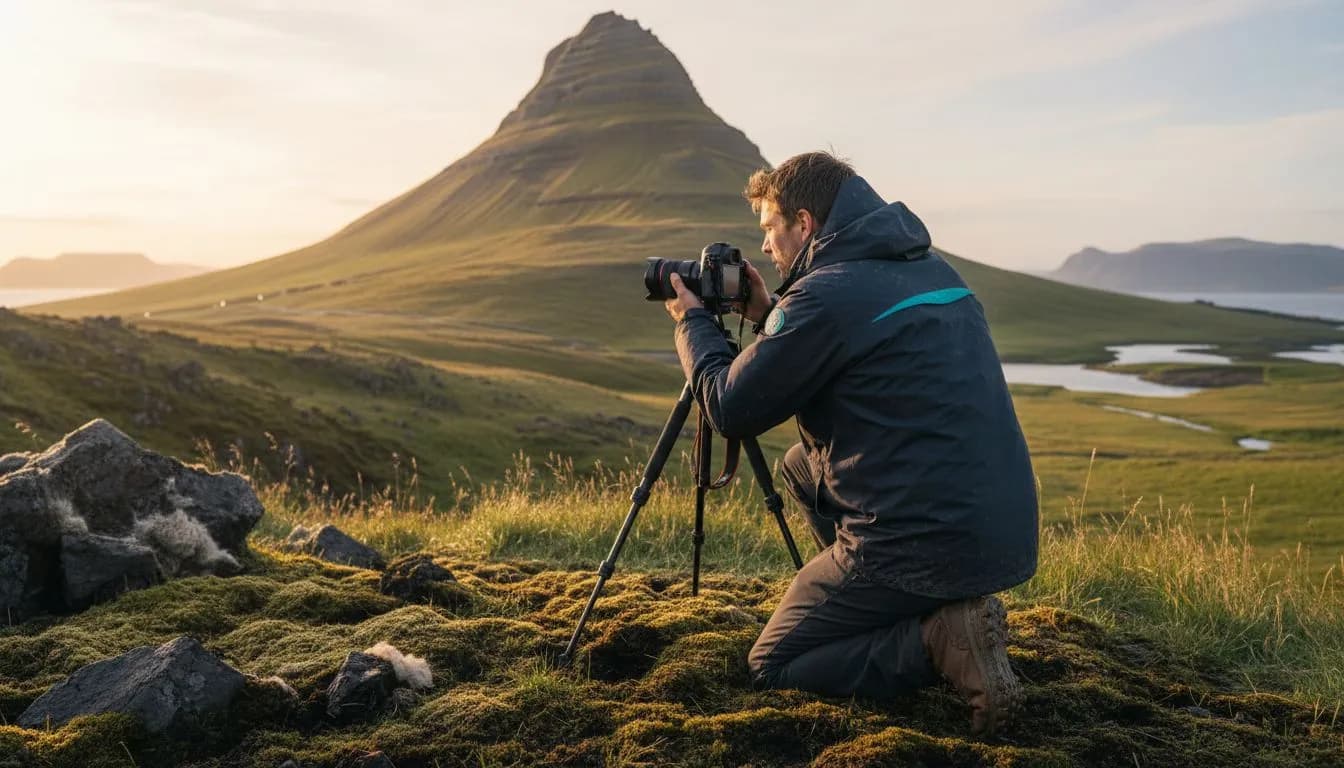
Master Iceland's natural light for stunning photos ! Photographer shooting Iceland golden hour landscape Many travelers believe Iceland's light is constantly dim and overcast, yet this tiny island near the Arctic Circle experiences some of the most dramatic and photographer-friendly natural light on Earth.
Master Iceland’s natural light for stunning photos
Many travelers believe Iceland’s light is constantly dim and overcast, yet this tiny island near the Arctic Circle experiences some of the most dramatic and photographer-friendly natural light on Earth. From 24-hour summer daylight to winter’s soft twilight glow, Iceland’s unique position creates lighting conditions that transform ordinary landscapes into extraordinary visual stories. Understanding how Iceland’s natural light works unlocks the secret to capturing images that resonate emotionally and showcase the country’s raw beauty with authenticity.
Table of Contents
- Understanding Iceland’s Unique Natural Light
- Photographic Impact Of Icelandic Natural Light
- Common Misconceptions About Icelandic Light
- Comparative Framework Of Northern Natural Light
- Practical Timing And Planning For Photographers
- Emotional And Narrative Role Of Natural Light In Photography
- Summary And Application For Adventure Travelers And Couples
- Discover Expert Iceland Photography Experiences
- FAQ
Key takeaways
| Point | Details |
|---|---|
| Extreme daylight variation | Iceland’s Arctic location creates up to 24 hours of summer light and fewer than 4 hours in winter. |
| Enhanced color saturation | Low sun angles and diffused atmospheric conditions boost color richness and emotional depth in photos. |
| Common myths debunked | Iceland isn’t always gloomy, and partial clouds often create better light than clear skies. |
| Strategic timing matters | Extended golden hours lasting up to 3 hours provide exceptional soft light for composition. |
| Light drives storytelling | Natural light quality shapes mood and narrative, increasing emotional engagement by 35%. |
Understanding Iceland’s unique natural light
Iceland sits just below the Arctic Circle at roughly 64°N latitude, placing it in a zone where extreme seasonal daylight shifts dominate the calendar. This geographical position causes profound variations in sunlight exposure throughout the year. During summer months from May through July, the midnight sun phenomenon blankets the island in nearly continuous daylight, with some regions experiencing 24 hours of visible sun. Conversely, winter brings polar night conditions from November through January, limiting daylight to as few as 3 to 4 hours per day in southern areas and even less in the north.
These dramatic swings create extended twilight periods that photographers prize for their quality. Civil twilight, the phase when the sun sits just below the horizon, can last several hours in Iceland compared to 20 to 30 minutes in lower latitudes. This prolonged transition between day and night bathes landscapes in soft, diffused light that minimizes harsh shadows and enhances texture. The atmospheric conditions further amplify these effects, as Iceland’s moist maritime climate scatters and softens sunlight naturally.
Seasonal changes dictate not just the quantity but the character of available light. Summer’s endless daylight allows flexible shooting schedules but requires adaptation to constantly shifting sun positions. Winter’s brief daylight windows demand precise timing yet reward photographers with intensely saturated colors and moody atmospheric effects. Understanding these patterns helps you anticipate conditions and plan shoots around natural light in Icelandic photography that align with your creative vision.
Key factors shaping Iceland’s natural light include:
- Geographic latitude near the Arctic Circle causing extreme daylight variation between seasons
- Extended civil and nautical twilight phases creating hours of soft, even illumination
- Maritime climate introducing moisture that diffuses and warms incoming sunlight
- Minimal light pollution in rural areas preserving natural light quality and star visibility
- Low sun angles year round enhancing color saturation and reducing harsh midday glare
Photographic impact of Icelandic natural light
The impact of Iceland’s natural light on photos manifests through several distinct characteristics that elevate image quality beyond typical landscape photography. Low sun angles throughout the year, a product of Iceland’s northern latitude, create side lighting that reveals texture and depth in terrain features like lava fields, glaciers, and mountain ridges. This angle also intensifies color saturation naturally, making greens appear more vibrant, blues deeper, and earth tones richer without artificial enhancement.
Golden hour, the period shortly after sunrise or before sunset when sunlight takes on warm amber tones, extends dramatically in Iceland compared to equatorial regions. Instead of lasting 20 to 30 minutes, Icelandic golden hour can stretch to 2 or 3 hours during shoulder seasons like April or September. This extended window gives photographers ample time to compose shots, adjust settings, and capture multiple perspectives without rushing. The quality of light during these periods produces warm, emotionally resonant images that connect viewers to the scene’s atmosphere.
Iceland’s moist atmosphere acts as a natural diffuser, scattering light particles and reducing harshness even on partly cloudy days. This diffusion softens shadows, preserves detail in both highlights and shadows, and creates a luminous quality that flatters both landscapes and portraits. The combination of moisture, low sun angles, and clean air results in exceptionally clear light that renders details crisply while maintaining a gentle, approachable feel. These conditions allow photographers to capture images that feel both dramatic and intimate simultaneously.
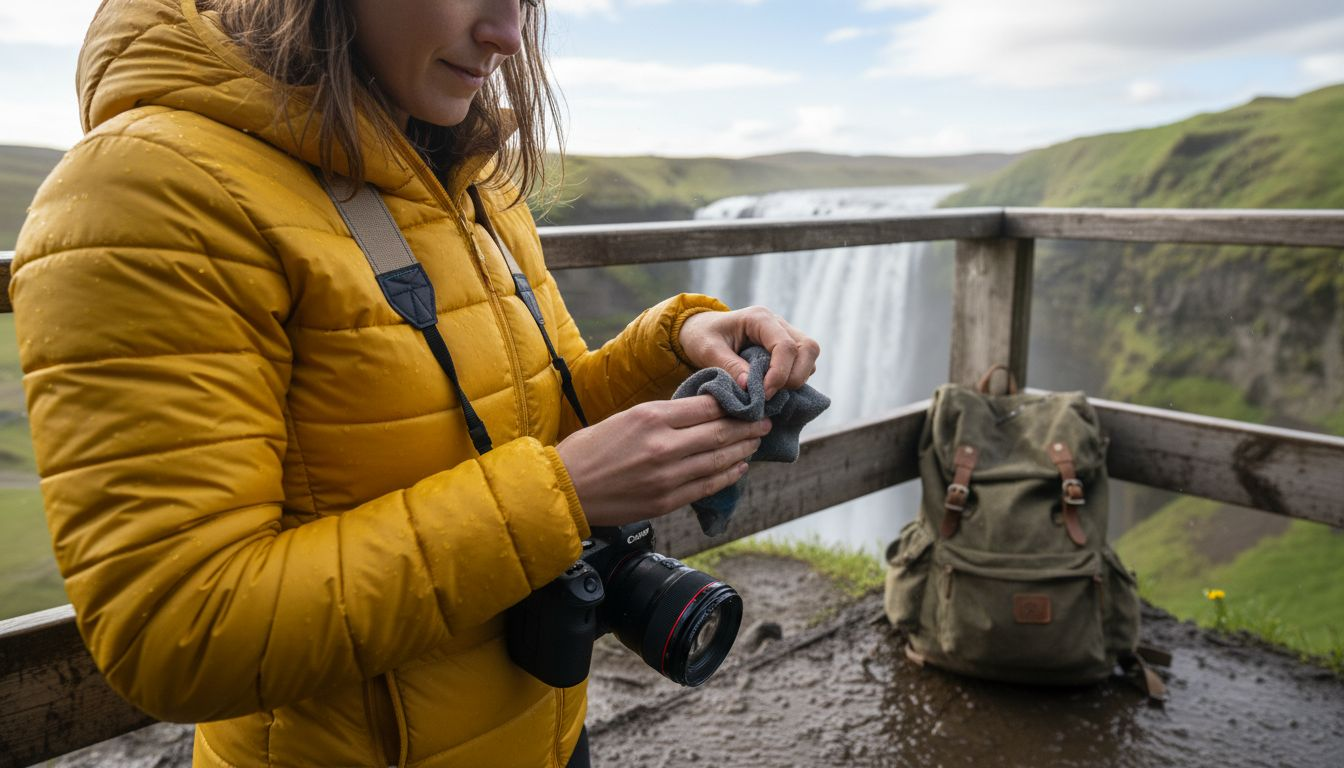
Light quality directly influences mood and storytelling potential in your images. Soft, diffused light during twilight or under partial cloud cover evokes calm, introspection, and timelessness. Dramatic side lighting from low sun angles emphasizes adventure, challenge, and raw natural power. By understanding how different light conditions affect emotional tone, you can deliberately choose timing and weather that aligns with the narrative you want your photos to convey.
Photographic effects of Icelandic natural light:
- Enhanced color saturation from persistent low sun angles throughout the day
- Extended golden and blue hours providing 2 to 3 times longer shooting windows
- Natural diffusion from atmospheric moisture reducing harsh shadows and preserving detail
- Clear air quality rendering distant features sharply while maintaining depth perception
- Emotional range from soft twilight calm to dramatic side lit intensity
Common misconceptions about Icelandic light
Many travelers arrive in Iceland expecting perpetually gray skies and dim conditions, a misconception fueled by the country’s northern reputation and association with cold climates. In reality, summer months from May through August frequently feature bright, extended daylight with variable cloud cover that enhances rather than diminishes photographic opportunities. While weather can be unpredictable, assuming constant gloom leads to missed chances and poor planning that doesn’t account for Iceland’s actual lighting patterns.
Another widespread myth suggests that clear blue skies represent ideal photography conditions in Iceland. Professional photographers working in the region often prefer partial cloud cover because it diffuses light naturally and creates dynamic skies that add visual interest to compositions. Completely clear skies can produce flat, uninteresting backgrounds and harsh midday light that washes out colors and creates unflattering shadows. Understanding that “perfect weather” for photography differs from “perfect weather” for sunbathing helps set realistic expectations.
Winter’s short daylight hours deter some visitors who fear insufficient light for quality photography. Yet winter offers uniquely soft, low angle light throughout the entire day, as the sun never rises high enough to create harsh overhead illumination. The brief daylight window from roughly 11am to 3pm provides consistently beautiful light quality, and the extended twilight periods before and after add atmospheric blue hour conditions ideal for moody, narrative driven images. Winter’s limited light becomes an advantage rather than a limitation when you adapt your shooting strategy.
The belief that overcast conditions ruin photo opportunities particularly misguides travelers in Iceland. Overcast skies act as giant softboxes, creating even illumination that reveals texture and detail without blown highlights or blocked shadows. This lighting flatters landscapes by emphasizing natural colors and forms, and it’s especially effective for waterfall photography, coastal scenes, and intimate environmental portraits. Many of Iceland’s most emotionally powerful images emerge from these supposedly “bad” weather conditions.
Correcting misconceptions about Icelandic light:
- Summer brings extended bright periods, not constant darkness or gloom
- Partial clouds create superior diffused light compared to fully clear skies
- Winter’s short days offer consistently soft, flattering light throughout
- Overcast conditions provide even illumination ideal for detail rich photography
- Variable weather enables diverse lighting conditions within single shooting sessions
Comparative framework of northern natural light
Iceland’s natural light characteristics differ meaningfully from other northern photography destinations, offering unique advantages that justify its reputation among landscape photographers. Comparing key metrics reveals why Iceland stands apart.
| Feature | Iceland | Norway | Scotland | Alaska |
|---|---|---|---|---|
| Summer golden hour duration | 2.5 to 3 hours | 1.5 to 2 hours | 1 to 1.5 hours | 2 to 2.5 hours |
| Winter daylight hours | 4 to 5 hours | 5 to 6 hours | 6 to 7 hours | 5 to 6 hours |
| Atmospheric clarity | Exceptional due to minimal pollution | Very good but variable | Moderate due to moisture | Good with seasonal variation |
| Cloud diffusion benefit | High from maritime climate | Moderate in coastal areas | High but often heavy overcast | Variable by region |
| Twilight extension | 3 to 4 hours during transitions | 2 to 3 hours | 2 to 2.5 hours | 2.5 to 3 hours |
Iceland’s position balances extreme polar light phenomena with accessibility and relatively stable atmospheric conditions. While Norwegian fjords offer similar latitude, Iceland’s island geography and Gulf Stream influence create more consistent moisture levels that enhance light diffusion. Scotland sits farther south, reducing the dramatic twilight extensions that make Iceland special for photographers seeking prolonged soft light. Alaska matches some of Iceland’s characteristics but presents greater logistical challenges and more variable weather patterns.
The extended golden hour duration in Iceland, averaging 20 to 30 minutes longer than comparable latitudes, directly translates to more opportunities for capturing perfectly lit shots without time pressure. This advantage compounds during multi-day shoots, as the cumulative extra shooting time allows for greater compositional experimentation and location variety. Iceland’s exceptional atmospheric clarity, maintained by minimal industrial development and strong prevailing winds, ensures that even distant features render sharply, a quality particularly valuable for wide angle landscape photography.
Practical timing and planning for photographers
Successfully leveraging Iceland’s natural light requires strategic timing aligned with seasonal patterns and daily weather fluctuations. Plan your shooting schedule around the extended golden hours that occur roughly 2 to 3 hours after sunrise and 2 to 3 hours before sunset during shoulder seasons from April through May and September through October. These periods offer the most manageable balance between light quality, duration, and weather stability. Summer’s near constant daylight allows flexibility but requires discipline to shoot during optimal soft light phases rather than midday.
Adapt your camera settings frequently as Iceland’s light changes rapidly with cloud movement and sun position. Over 50% of amateur photographers report technical errors adapting settings to Iceland’s variable light, leading to washed out or distorted images. Manual exposure mode gives you precise control over brightness levels, while shooting in RAW format preserves maximum detail for post processing adjustments. Monitor your histogram constantly to catch exposure shifts before they ruin critical shots. White balance requires particular attention, as the color temperature can swing dramatically within minutes when clouds pass overhead.
Partial cloud cover often creates the most photogenic conditions by diffusing harsh sunlight while maintaining contrast and color saturation. Check weather forecasts hourly using local Icelandic meteorological services, as conditions can shift between locations separated by just 20 to 30 kilometers. When forecasts predict variable clouds, position yourself at priority locations during predicted clear patches, knowing that passing clouds will enhance rather than diminish your results. This approach transforms supposedly unstable weather into a creative advantage.
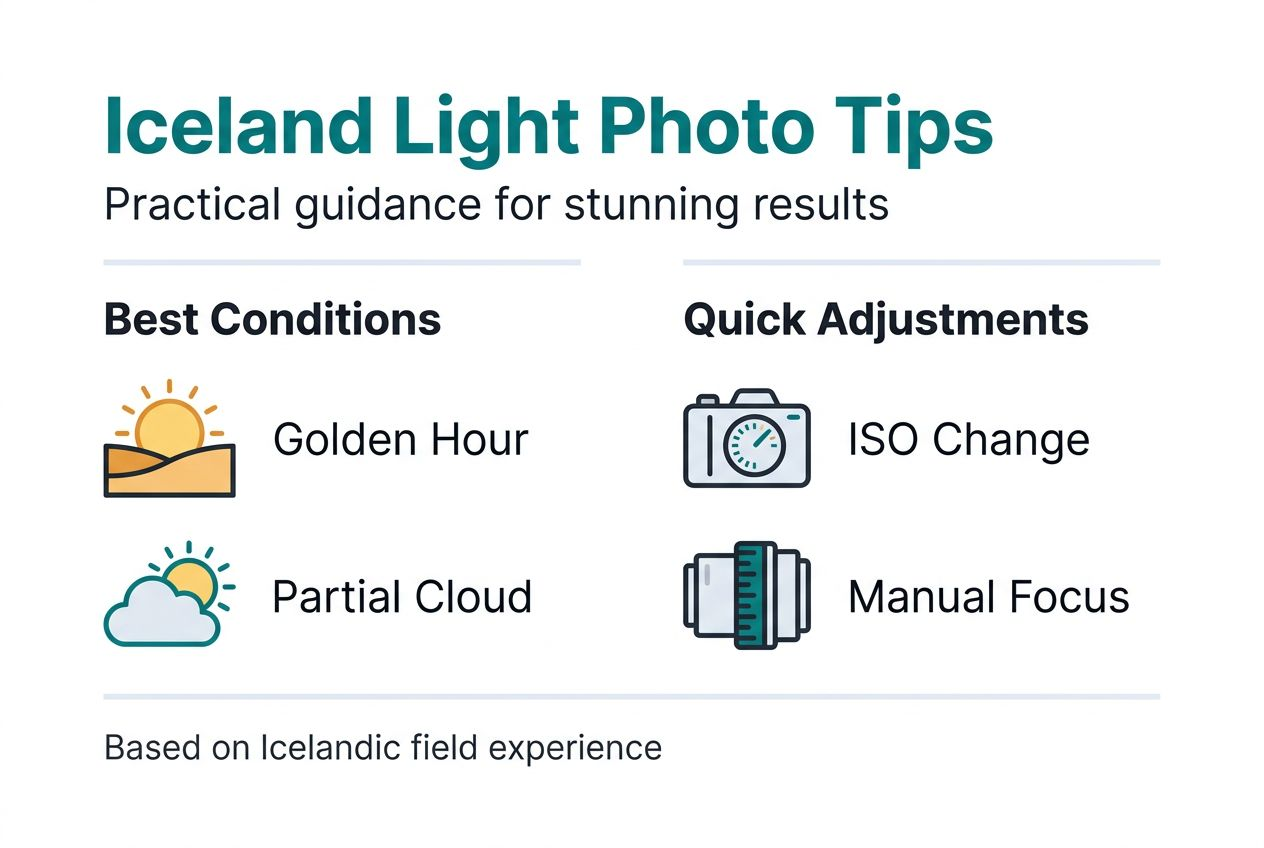
Prepare equipment for Iceland’s demanding environmental conditions, which directly affect your ability to capitalize on optimal light. Temperature swings from freezing to mild within hours cause condensation on lenses and sensors. Moisture protection through weather sealed gear or protective covers prevents damage and keeps you shooting through light rain or sea spray. Carry multiple charged batteries, as cold temperatures drain power rapidly, potentially cutting shooting time during precious golden hour windows.
Practical steps for optimizing Iceland photography timing:
- Research seasonal daylight patterns for your travel dates to establish realistic shooting schedules
- Identify golden hour timing for specific locations accounting for terrain that may block low angle sun
- Monitor real time weather and cloud forecasts hourly using local Icelandic meteorological services
- Scout locations during suboptimal light to plan compositions for return during prime conditions
- Build flexible itineraries allowing spontaneous route changes when unexpected light opportunities emerge
- Prepare backup indoor or close range subjects for periods of heavy overcast or precipitation
Pro Tip: Download offline maps and weather data before entering remote areas where cellular service disappears, ensuring you maintain access to forecast updates that guide timing decisions even in Iceland’s isolated regions.
Integrating these practices with Iceland photography tips helps you plan Iceland photo tours effectively. Taking time to choose photo locations based on light direction and using a comprehensive photo shoot checklist ensures you’re ready when optimal conditions arrive.
Emotional and narrative role of natural light in photography
Natural light serves as more than technical illumination in Iceland photography; it functions as a storytelling element that shapes viewer emotional response and connection to images. Research indicates that soft diffused light boosts emotional engagement by 35% compared to harsh direct lighting, making Iceland’s extended twilight periods particularly valuable for creating images that resonate on a personal level. The quality, direction, and color temperature of light guide viewers’ eyes through compositions while establishing mood that amplifies the narrative you want to convey.
Photographers working in Iceland emphasize what they call the “story of light” rather than just the story within the frame. This approach treats light itself as a character that interacts with landscape elements, weather, and human subjects to create layers of meaning. Morning light emerging through fog over a volcanic field tells a story of awakening and discovery. Twilight’s blue hour enveloping a coastal scene evokes solitude and introspection. By consciously directing attention to how light behaves in specific moments, you transform technical photography into visual storytelling that communicates experience and emotion.
The relationship between natural light and authentic narrative becomes especially important for couples and adventure travelers seeking to document their Iceland journey. Generic bright sunlight produces documentary images that record presence but may fail to capture the feeling of standing on a windswept beach or hiking through mist shrouded highlands. Iceland’s unique light conditions enable photographers to match illumination quality with experiential reality, creating images that transport viewers into the moment and preserve emotional truth alongside visual accuracy.
Using light strategically to enhance client connection requires awareness of how different conditions affect psychological response. Warm golden light creates feelings of comfort, nostalgia, and romance, making it ideal for couple portraits and celebratory moments. Cool blue twilight evokes contemplation, adventure, and dramatic tension, perfect for solo portraits or emphasizing Iceland’s raw natural power. Understanding these associations helps you transform experiential photography in Iceland by aligning technical choices with the emotional story your clients want to tell.
Key aspects of light as narrative element:
- Soft diffused light increases emotional engagement and viewer connection to images
- Light direction and quality establish mood that reinforces or contrasts with subject matter
- Color temperature influences psychological response, from warm comfort to cool contemplation
- Variable light conditions enable diverse emotional tones within single shooting sessions
- Treating light as narrative character deepens storytelling beyond documenting physical presence
“The light in Iceland doesn’t just illuminate the landscape; it reveals the emotion within it. When you learn to see light as part of the story rather than just a technical requirement, your images shift from documentation to genuine artistic expression that connects with viewers on a human level.”
Summary and application for adventure travelers and couples
Mastering Iceland’s natural light transforms photography from chance snapshots into intentional visual storytelling that captures both physical beauty and emotional experience. The knowledge you’ve gained about seasonal patterns, extended golden hours, and the photographic benefits of variable weather conditions equips you to plan trips that maximize opportunities for stunning images. Rather than fearing Iceland’s reputation for unpredictable conditions, you can now approach each day with confidence, knowing how to recognize and leverage optimal light when it appears.
Dispelling common myths about Iceland’s lighting particularly empowers travelers who might otherwise avoid certain seasons or become discouraged by forecasts predicting clouds. Understanding that partial overcast often creates superior diffused light compared to clear skies reframes weather planning entirely. Winter’s short daylight hours no longer represent a limitation but rather a guarantee of consistently soft, low angle illumination throughout the entire shooting window. These perspective shifts enable you to make informed decisions about timing, locations, and equipment that align with realistic expectations and photographic goals.
The emotional and narrative dimensions of natural light elevate your photography from technical competence to artistic expression that resonates with viewers. By consciously considering how light quality affects mood and using Iceland’s unique conditions to enhance storytelling, you create images that communicate the full experience of your adventure. This approach proves especially valuable for couples documenting relationship milestones or travelers seeking to preserve authentic memories that capture not just what Iceland looks like but how it feels to be there.
Applying these insights practically means building flexible itineraries that prioritize light quality over rigid schedules, preparing equipment for variable conditions, and developing the observational skills to recognize when optimal lighting arrives. Success comes from combining technical knowledge with creative vision, using Iceland’s distinctive natural light as both tool and collaborator in creating images that stand out from typical tourist photography.
Key applications for your Iceland photography journey:
- Schedule shoots during extended golden hours lasting 2 to 3 hours for maximum creative time
- Embrace partial cloud cover and variable weather as advantages rather than obstacles
- Align light quality with desired emotional tone, from warm romantic to cool dramatic
- Plan trips around seasonal light patterns that match your photographic priorities
- Use natural light strategically to enhance authentic storytelling in your images
Pro Tip: Keep a light journal during your Iceland trip, noting the time, weather conditions, and emotional quality of moments when light felt particularly special, then review these observations to refine your timing and location choices for future shoots or remaining trip days.
Discover expert Iceland photography experiences
Harnessing Iceland’s extraordinary natural light reaches its full potential when combined with local expertise and professional guidance. If you’re planning an adventure or celebrating a milestone in Iceland, working with an experienced photographer who understands how to leverage these unique lighting conditions transforms good photos into unforgettable visual stories.

Lucy Moments specializes in Iceland photographer services that blend technical mastery with deep understanding of the country’s landscapes, light patterns, and hidden locations. Whether you’re seeking adventure photography that captures the thrill of exploring Iceland’s rugged terrain or intimate couple sessions that document your relationship against dramatic natural backdrops, professional guidance ensures you maximize every moment of optimal light. Learn more about why shoot in Iceland resonates so powerfully with travelers and explore the straightforward process of booking photography in Iceland to secure your dates and begin planning your visual story.
FAQ
What is the best time to photograph landscapes in Iceland?
The optimal periods are during extended golden hours in late spring and early fall, offering 2 to 3 hours of soft, warm light. Winter provides consistently beautiful low angle illumination throughout its brief 4 to 5 hour daylight window, while summer’s near constant light allows flexible timing but requires discipline to avoid flat midday conditions.
How do cloud conditions affect photography in Iceland?
Partial cloud cover enhances photography by diffusing sunlight naturally, creating even illumination that boosts color saturation and preserves detail in highlights and shadows. Complete clear skies often produce less interesting backgrounds and harsher light, making variable clouds preferable for emotionally engaging landscape images.
What camera settings should I adjust for Iceland’s changing light?
Manually control exposure and adjust frequently as light shifts with cloud movement and sun position throughout the day. Shoot in RAW format to preserve maximum editing flexibility for color and brightness corrections. Common failures include insufficient exposure compensation and incorrect white balance causing color issues, so monitor your histogram constantly and review images regularly to catch problems before moving to new locations.
Are winter months suitable for landscape photography in Iceland?
Winter offers exceptional opportunities with soft, consistently beautiful light throughout the entire 4 to 5 hour daylight period due to perpetually low sun angles. The extended twilight phases before and after create atmospheric blue hour conditions ideal for moody, narrative driven images that emphasize Iceland’s dramatic character and natural power.