How to Choose Iceland Photo Locations for Epic Shots
How to Choose Iceland Photo Locations for Epic Shots ! Photographer filming Icelandic waterfall at sunset Chasing dramatic moments across wild horizons is what draws adventurous travelers to Iceland’s most breathtaking photography spots.
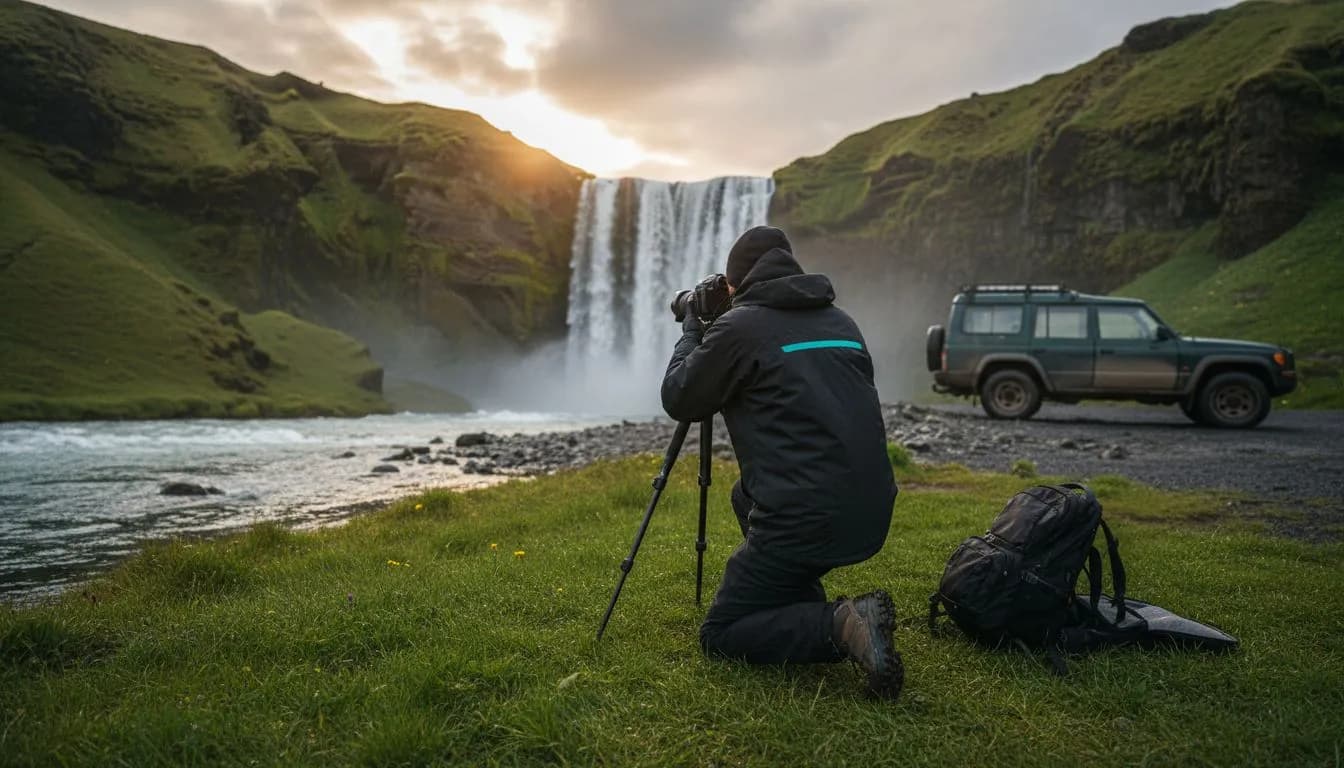
Chasing dramatic moments across wild horizons is what draws adventurous travelers to Iceland’s most breathtaking photography spots. For couples and solo explorers eager to tell their personal story through the lens, matching your plans with your unique interests and goals shapes every unforgettable capture. Thoughtful preparation transforms each volcanic field, glacier, or hidden cove into a backdrop for emotional memories you will treasure forever.
Table of Contents
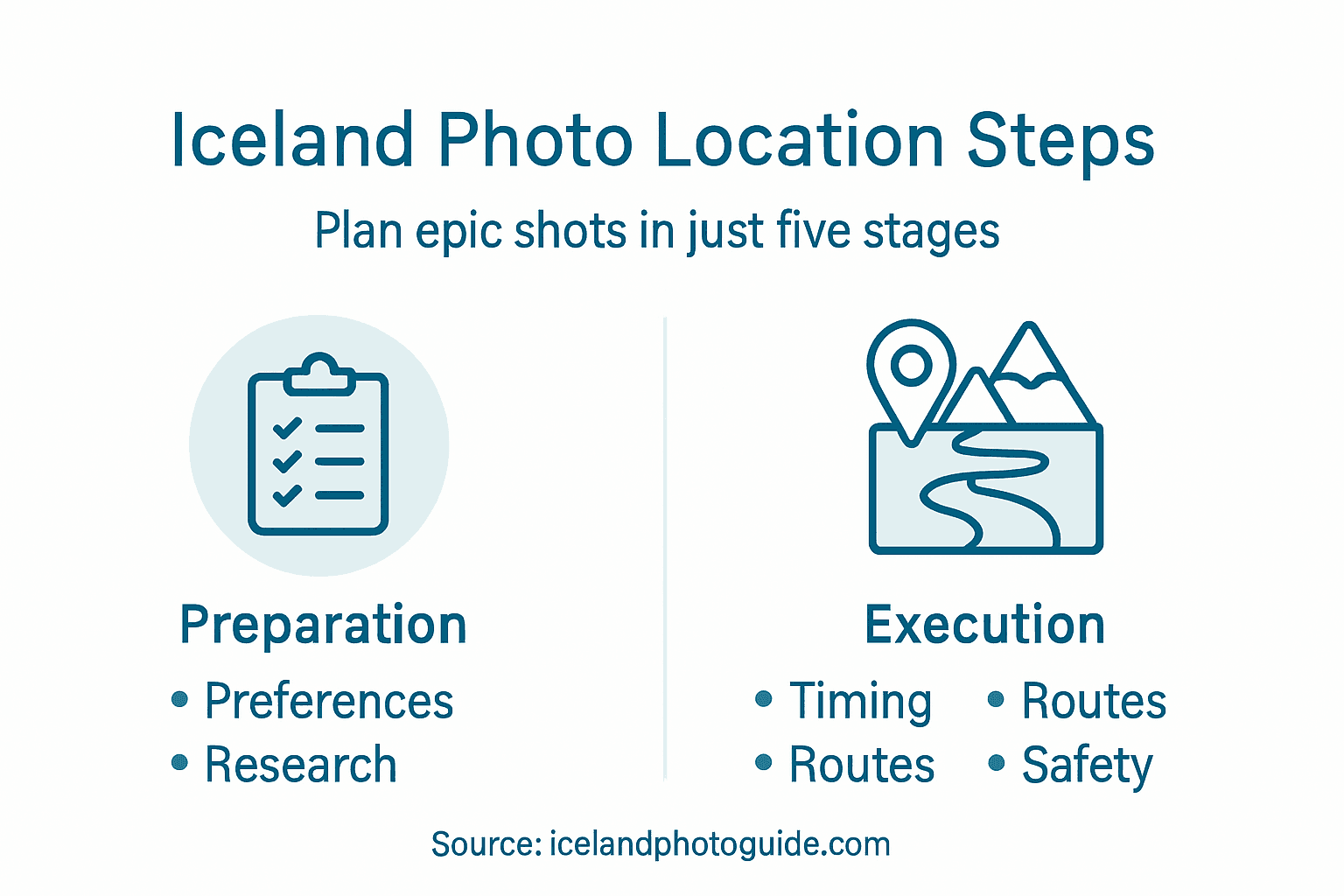
- Step 1: Assess Your Travel Preferences And Photography Goals
- Step 2: Research Epic Icelandic Landscapes And Hidden Gems
- Step 3: Align Locations With Seasonal And Lighting Conditions
- Step 4: Plan Routes For Accessibility And Time Efficiency
- Step 5: Verify Each Location For Safety And Photographic Potential
Quick Summary
| Key Point | Explanation |
|---|---|
| 1. Assess Your Preferences | Understand your landscape interests, photography skills, physical endurance, and weather tolerance to choose ideal locations in Iceland. |
| 2. Conduct Thorough Research | Use online platforms, geological maps, and local forums to discover diverse Icelandic landscapes beyond standard tourist spots. |
| 3. Match Locations with Seasons | Different seasonal lighting offers distinct photographic opportunities; plan your shoots according to seasonal characteristics for best results. |
| 4. Plan Efficient Routes | Group locations geographically, consider accessibility, and manage time to maximize photographic opportunities while minimizing travel strain. |
| 5. Verify Safety and Potential | Before photography, assess weather, road conditions, and geological risks to ensure safety and enhance visual possibilities in each location. |
Step 1: Assess your travel preferences and photography goals
Choosing the perfect Iceland photography locations starts with understanding your unique travel style and photographic objectives. Personalized travel strategies are critical for creating memorable visual narratives that capture your individual journey.
To align your photography goals effectively, consider these essential aspects of travel preferences:
- Landscape Interests: Determine whether you prefer volcanic terrain, coastal scenes, glacial landscapes, or dramatic mountain ranges
- Photography Skill Level: Assess your technical abilities and comfort with different photography conditions
- Physical Endurance: Evaluate your willingness to hike, trek, or access remote locations
- Weather Tolerance: Consider your comfort with Iceland’s unpredictable and often challenging climate conditions
Your travel motivations will significantly influence location selection. University student travel research suggests that learning and relaxation are key drivers in travel experiences, which directly impact photographic goals.
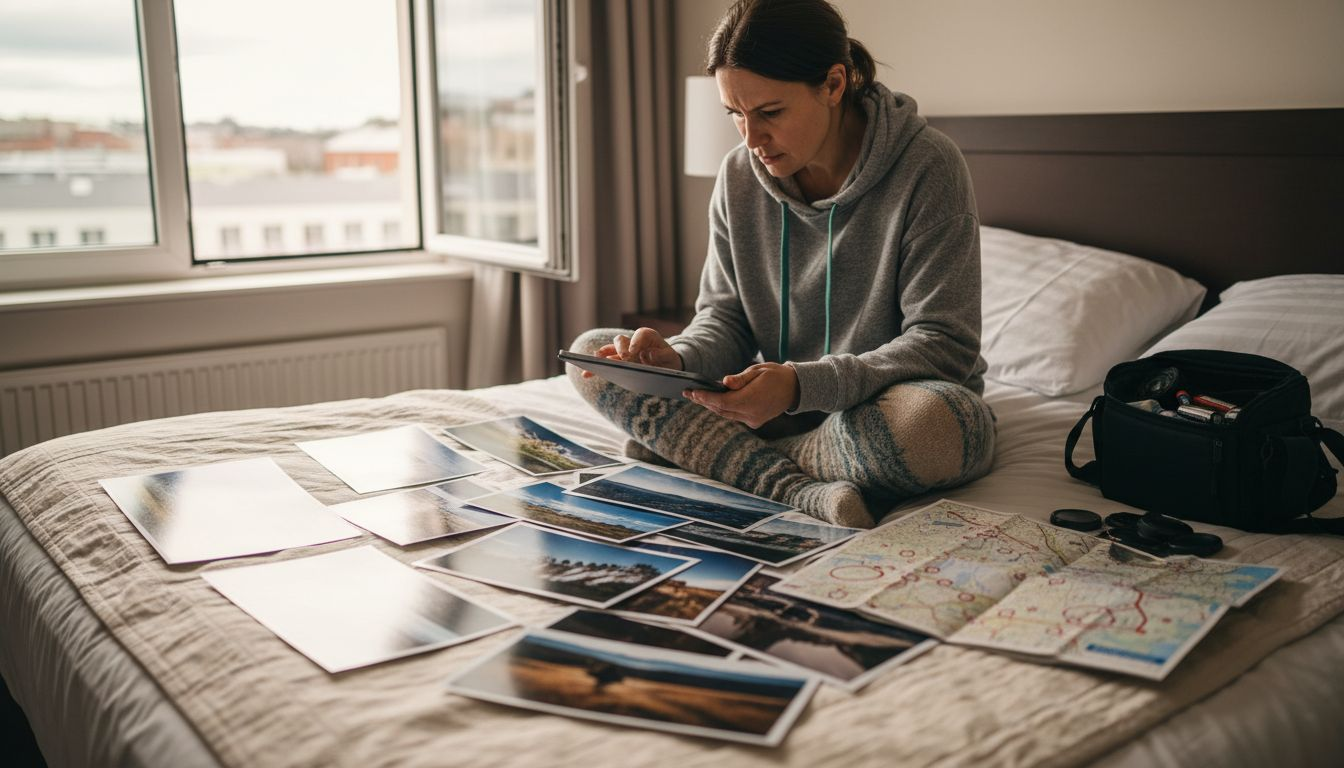
Here’s a quick comparison of Iceland’s primary landscape types and their photographic appeal:
| Landscape Type | Typical Features | Photographic Attraction |
|---|---|---|
| Volcanic Terrain | Lava fields, craters | Unique textures, stark tones |
| Coastal Scenes | Cliffs, beaches, sea | Dynamic water motion, contrasts |
| Glacial Landscapes | Ice caves, glaciers | Brilliant blues, abstract forms |
| Mountain Ranges | Peaks, valleys | Dramatic vistas, varied light |
Understanding your personal preferences helps create a tailored Iceland photography experience that resonates with your unique vision.
Pro tip: Create a detailed mood board or digital inspiration collection highlighting the exact types of landscapes and photographic styles you want to capture in Iceland.
Step 2: Research epic Icelandic landscapes and hidden gems
Diving into Iceland’s photographic possibilities requires strategic research that goes beyond typical tourist destinations. Volcanic landscapes from space reveal extraordinary perspectives that can transform your photographic vision and uncover hidden visual treasures.
To conduct comprehensive landscape research, leverage multiple resources:
- Online Photography Platforms: Explore Instagram, Flickr, and 500px for user-generated Iceland landscape images
- Geological Mapping: Investigate volcanic terrain resources to identify unique geological features
- Local Photography Forums: Connect with Iceland-based photographers for insider location recommendations
- Satellite Imagery: Use Google Earth and NASA resources to scout remote, visually compelling landscapes
- Regional Tourism Websites: Research official Iceland tourism sites for recommended scenic routes
Prioritize locations that offer diverse photographic opportunities. Focus on regions like the Reykjanes Peninsula, which provides dramatic volcanic landscapes, coastal scenes, and geothermal areas that create stunning visual narratives.
Epic photography requires looking beyond the obvious and uncovering landscapes that tell a unique story.
Pro tip: Create a digital map marking potential photography locations, color-coding them by landscape type and accessibility to streamline your planning process.
Step 3: Align locations with seasonal and lighting conditions
Selecting the right Icelandic photography locations demands a deep understanding of how seasonal lighting transforms landscapes. Your photographic success hinges on matching locations with their most visually compelling seasonal characteristics.
Understand the unique photographic opportunities across different seasons:
-
Summer (June-August):
- Midnight sun provides 24-hour golden light
- Vibrant green landscapes and moss-covered terrain
- Accessible highland and mountain locations
-
Winter (November-March):
- Northern lights photography opportunities
- Snow-covered dramatic landscapes
- High contrast black and white volcanic scenes
-
Shoulder Seasons (May and September):
- Transitional light conditions create dramatic scenes
- Fewer tourists at prime locations
- Unique color palettes during landscape transformations
Climate change impacts on seasonal environments suggest photographers must remain adaptable and research current conditions before planning shoots.
For reference, here’s a summary of season-specific conditions for photography in Iceland:
| Season | Lighting Effect | Scenic Features | Travel Factors |
|---|---|---|---|
| Summer | Long golden hours | Lush moss, accessible areas | Easy access, crowded |
| Winter | Aurora, soft daylight | Snow landscapes, stark views | Short days, icy roads |
| Shoulder Months | Transitional light | Unique colors, fewer tourists | Changeable weather, flexibility |
Successful Icelandic landscape photography requires understanding that light is not just a technical element, but the primary storyteller of your visual narrative.
Pro tip: Invest in a reliable sun and moon tracking app that provides precise golden hour and twilight timing for your specific GPS coordinates in Iceland.
Step 4: Plan routes for accessibility and time efficiency
Maximizing your Icelandic photography expedition requires strategic route planning that balances photographic opportunities with practical travel constraints. Personalized travel itinerary techniques can transform your photography journey from challenging to seamless.
Consider these critical route planning strategies:
-
Geographical Clustering:
- Group locations within similar geographic regions
- Minimize unnecessary driving between distant sites
- Prioritize locations with complementary lighting conditions
-
Accessibility Considerations:
- Assess road conditions and vehicle requirements
- Evaluate seasonal accessibility of remote locations
- Plan alternative routes for unexpected road closures
-
Time Management Techniques:
- Calculate realistic travel times between locations
- Build buffer periods for unexpected photography opportunities
- Consider golden hour and twilight timing
Location-based navigation technologies can significantly enhance your route planning by providing real-time insights into terrain, weather, and accessibility.
Efficient route planning is the invisible architecture that transforms a good photography trip into an extraordinary visual expedition.
Pro tip: Create a digital route map with estimated travel times, marking potential photography spots and backup locations to ensure maximum flexibility.
Step 5: Verify each location for safety and photographic potential
Successful Icelandic landscape photography demands more than visual appeal—it requires comprehensive location verification that balances aesthetic potential with personal safety. Photography safety guidelines emphasize the critical importance of pre-assessing both environmental risks and photographic opportunities.
Implement a systematic location verification process:
-
Safety Assessment:
- Check local weather forecasts and terrain conditions
- Verify road accessibility for your vehicle type
- Understand potential geological risks like volcanic activity
-
Photographic Potential Evaluation:
- Analyze lighting conditions during different times of day
- Scout potential composition angles using digital mapping
- Assess landscape diversity and visual interest
-
Risk Mitigation Strategies:
- Carry appropriate emergency communication devices
- Share detailed location plans with local contacts
- Pack essential survival and first aid equipment
Comprehensive location documentation standards highlight the importance of methodical environmental assessment before photography sessions.
Every extraordinary photograph is the result of careful preparation, not just creative inspiration.
Pro tip: Download offline topographical maps and save emergency contact information for local rescue services before venturing into remote Icelandic landscapes.
Capture Your Epic Iceland Journey with Expert Guidance
Choosing the perfect Iceland photography locations means understanding your travel style, mastering seasonal lighting, and planning routes for the best shots. These challenges can feel overwhelming when trying to create images that tell your unique story. Lucy Moments PHOTOGRAPHER specializes in transforming these challenges into unforgettable, emotionally powerful photos that capture Iceland’s rugged beauty and your personal adventure.

Ready to move from scouting to shooting with confidence? Explore how personalized storytelling and expert knowledge can elevate your Iceland experience today. Visit Lucy Moments PHOTOGRAPHER to discover tailored photography services designed for travelers, couples, and adventure seekers who want more than just pictures but vivid memories. Start crafting your epic visual narrative now.
Frequently Asked Questions
How do I assess my travel preferences for photography in Iceland?
Start by identifying your landscape interests, skill level, physical endurance, and comfort with Iceland’s weather. Create a checklist to evaluate these factors, helping you customize your photography experience effectively.
What are effective ways to research Icelandic photography locations?
Utilize online photography platforms, geological mapping resources, and local photography forums to discover diverse landscapes. Gather images and insights, then create a digital map marking the best potential spots for your photography trip.
How do seasonal changes affect photography locations in Iceland?
Different seasons offer unique lighting and landscape characteristics, such as vibrant greens in summer and snow-covered scenes in winter. Make a plan for each season’s distinctive features, ensuring you visit when conditions are optimal for your photographic goals.
What strategies should I use for efficient route planning in Iceland?
Group nearby photography locations to minimize travel time and maximize shooting opportunities. Use a route planning app to create a travel timeline that accounts for golden hours and potential delays, aiming for a balanced itinerary that allows flexibility.
How can I verify the safety and photographic potential of my chosen locations?
Conduct a thorough assessment of weather forecasts, terrain conditions, and accessibility for each selected site. Plan a scouting trip if possible, focusing on safety and ideal angles for capturing striking images, ensuring you’re prepared for any environmental risks.