Experiential Photography: Capturing Personal Journeys
Experiential photography highlights emotional storytelling, adventure, and authentic journeys. Explore types, key features, risks, and practical tips.
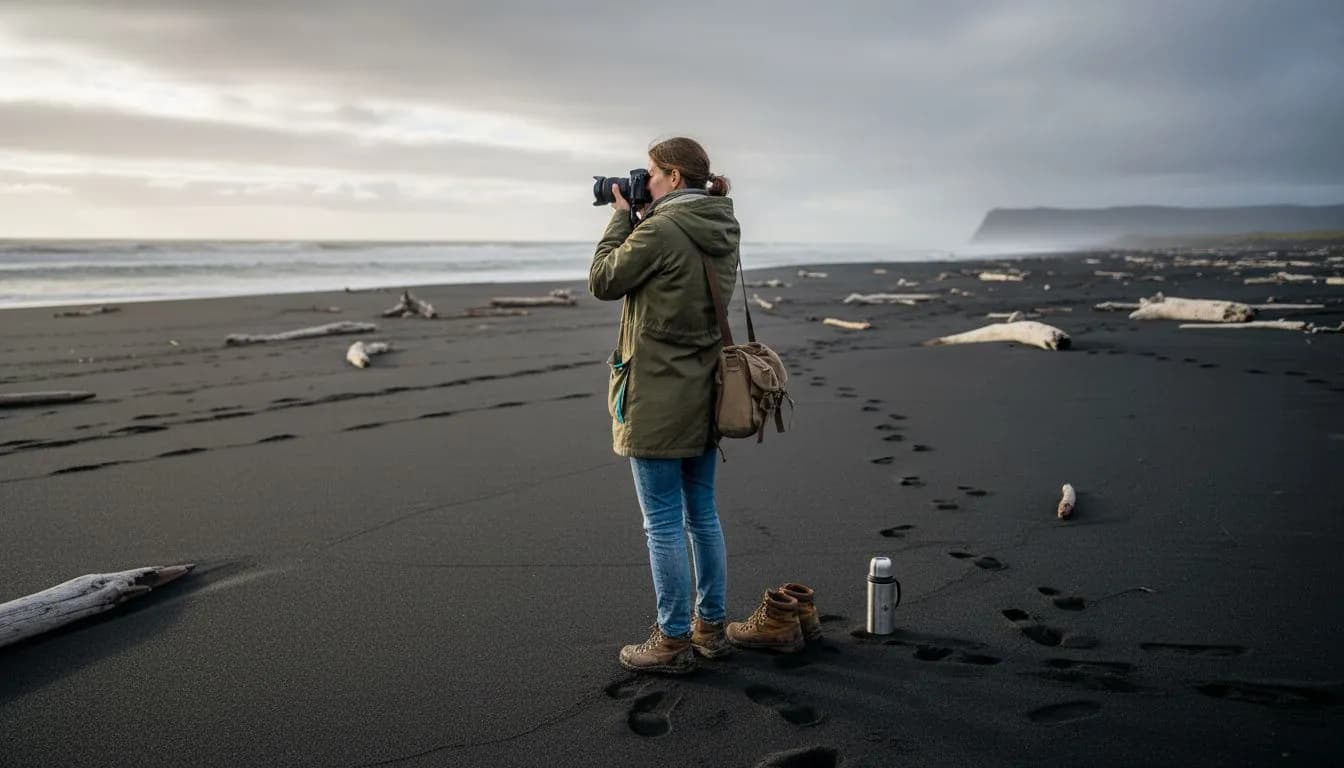
Every traveler dreams of returning home with memories that truly reflect their time in Iceland, not just snapshots of waterfalls or glaciers. For adventure-seeking couples and solo explorers, experiential photography offers more than a souvenir—it becomes a way to visually tell your personal story, capturing emotions and meaning in each moment. This approach transforms your Iceland experience into a set of authentic images that honor your unique journey, focus on genuine connections, and go far beyond staged travel photos.
Table of Contents
- Experiential Photography And Its Core Meaning
- Types Of Experiential Photography In Adventure Travel
- Emotional Storytelling In Landscape And Portraiture
- How Photographers Capture Authentic Journeys
- Risks, Responsibilities, And Ethical Practices
Key Takeaways
| Point | Details |
|---|---|
| Experiential Photography | Prioritize personal stories and emotions over conventional travel documentation. |
| Types of Photography | Utilize various styles like landscape, action, and detail photography to create a rich narrative. |
| Emotional Storytelling | Focus on capturing the feelings of a moment rather than just the visuals to create impactful images. |
| Ethical Practices | Ensure informed consent and clear communication about image usage and privacy rights before and after photography sessions. |
Experiential photography and its core meaning
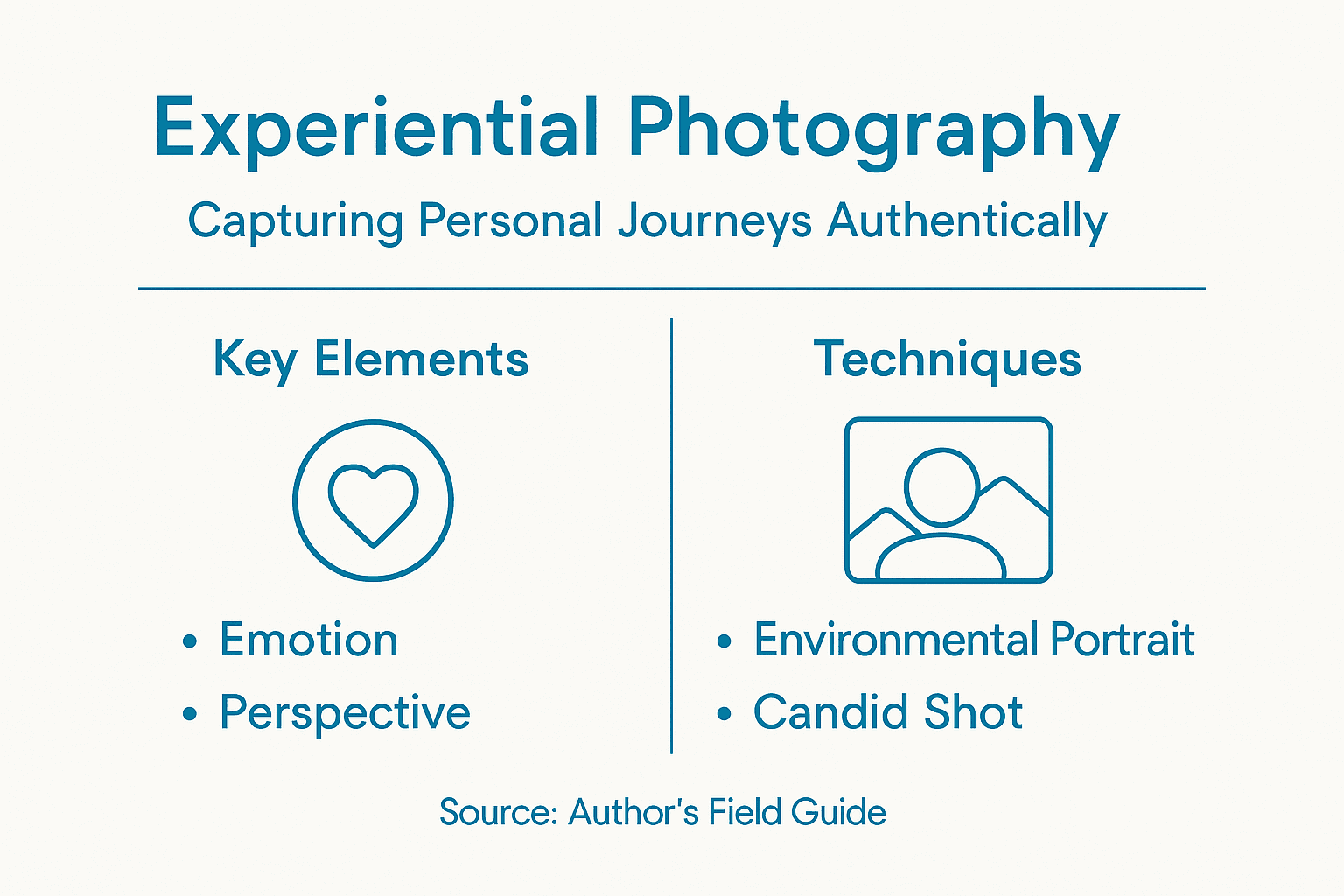
Experiential photography is fundamentally different from standard tourism snapshots. It’s a participatory approach that captures your personal, lived experiences rather than just what a location looks like. This method transforms your journey into a visual narrative reflecting your emotions, discoveries, and connections.
At its heart, experiential photography combines two powerful elements:
- Your subjective perspective - What you actually feel and see, not what a guidebook says you should see
- Visual storytelling - Images that communicate meaning beyond just composition or technical perfection
When you practice photography as a research method, you’re essentially documenting your own journey through a lens that captures metaphorical and visual insights. This isn’t about creating flawless Instagram content. It’s about creating authentic records of how you experienced Iceland.
The core difference lies in intention. Standard travel photos document locations. Experiential photos document you in those locations—your reactions, your discoveries, your growth. When you’re hiking Vatnajökull’s glaciers or exploring black sand beaches, experiential photography captures the exhaustion, wonder, and transformation happening in real-time.
Here’s a comparison of experiential photography versus standard travel photography for deeper understanding:
| Aspect | Experiential Photography | Standard Travel Photography |
|---|---|---|
| Main Focus | Personal journey and emotions | Landmark documentation |
| Image Purpose | Tell an authentic story | Capture visual highlights |
| Subject Involvement | Active, participatory | Mostly observer, less involved |
| Resulting Narrative | Unique and introspective | General and location-centered |
Experiential photography produces knowledge through both practice and theory, capturing personal journeys beyond objective representation.
This approach works exceptionally well for couples and solo travelers because it validates your unique perspective. Two people visiting the same Icelandic waterfall will have completely different experiences. Experiential photography honors those differences rather than pretending everyone sees the same thing.
How does this work practically? Consider what happens when you pause during a hike to photograph something that moves you. That moment—the hesitation, the choice, the feeling—becomes part of your visual story. Photographers working as storytellers understand this deeply. They’re not just pointing cameras; they’re interpreting your experience.
Key characteristics of experiential photography include:
- Authenticity over perfection - Real moments matter more than polished aesthetics
- Emotional resonance - Images that carry the feeling of your journey, not just its facts
- Personal interpretation - Your unique way of seeing takes priority over conventional framing
- Narrative continuity - Photos that connect to tell your larger story across the trip
Why does this matter for your Iceland adventure? Because you’re not just visiting; you’re experiencing. You’re pushing your physical limits, discovering new strengths, navigating unfamiliar terrain, and connecting with your travel companion or yourself in profound ways. Experiential photography documents all of that.
This approach requires a shift in mindset. You’re not chasing perfect light or ideal compositions. You’re chasing moments that feel significant—even if they’re quiet, imperfect, or unconventional. That’s where real storytelling happens.
Pro tip: Before your trip, identify 2-3 specific moments or feelings you want to capture—maybe the first time you see a glacier, a challenging moment pushing your limits, or a quiet morning with your travel companion. Having these intentions helps you recognize those moments when they happen, making experiential photography feel purposeful rather than accidental.
Types of experiential photography in adventure travel
Adventure travel photography isn’t one-size-fits-all. Different moments call for different approaches, and understanding the types helps you capture your Iceland journey authentically. Your trip will likely involve multiple photography styles working together.
The main types you’ll encounter in adventure travel include:
- Landscape photography - Capturing Iceland’s dramatic scenery: glaciers, waterfalls, and volcanic terrain
- Action photography - Documenting yourself hiking, climbing, or moving through environments
- Environmental portraiture - You or your companion within the landscape, showing scale and connection
- Documentary-style captures - Raw, unposed moments that reveal the reality of your journey
- Detail photography - Close-ups of textures, light, and small discoveries along the way
When you’re capturing adventure through multiple photography types, you’re building a complete visual narrative. A single landscape shot tells you where you were. An action photo shows what you were doing. Environmental portraits reveal how the environment made you feel.
Landscape photography dominates Iceland for obvious reasons. Those vast, otherworldly vistas demand to be captured. But here’s the key: experiential landscape photography includes your emotional response to the view, not just the view itself. That means framing the shot to show your experience of standing there.
Action photography is where adventure really comes alive. Whether you’re crossing a glacier, scrambling over lava fields, or kayaking between icebergs, these images document your engagement with Iceland’s challenges. They show effort, achievement, and transformation.
Environmental portraits anchor your story by showing you as part of the landscape, not just an observer of it.
Environmental portraiture serves a unique purpose for couples and solo travelers. These images show the human element—your presence in Iceland, your scale against its vastness, your connection to the environment. They’re emotionally powerful because they include you in the story.
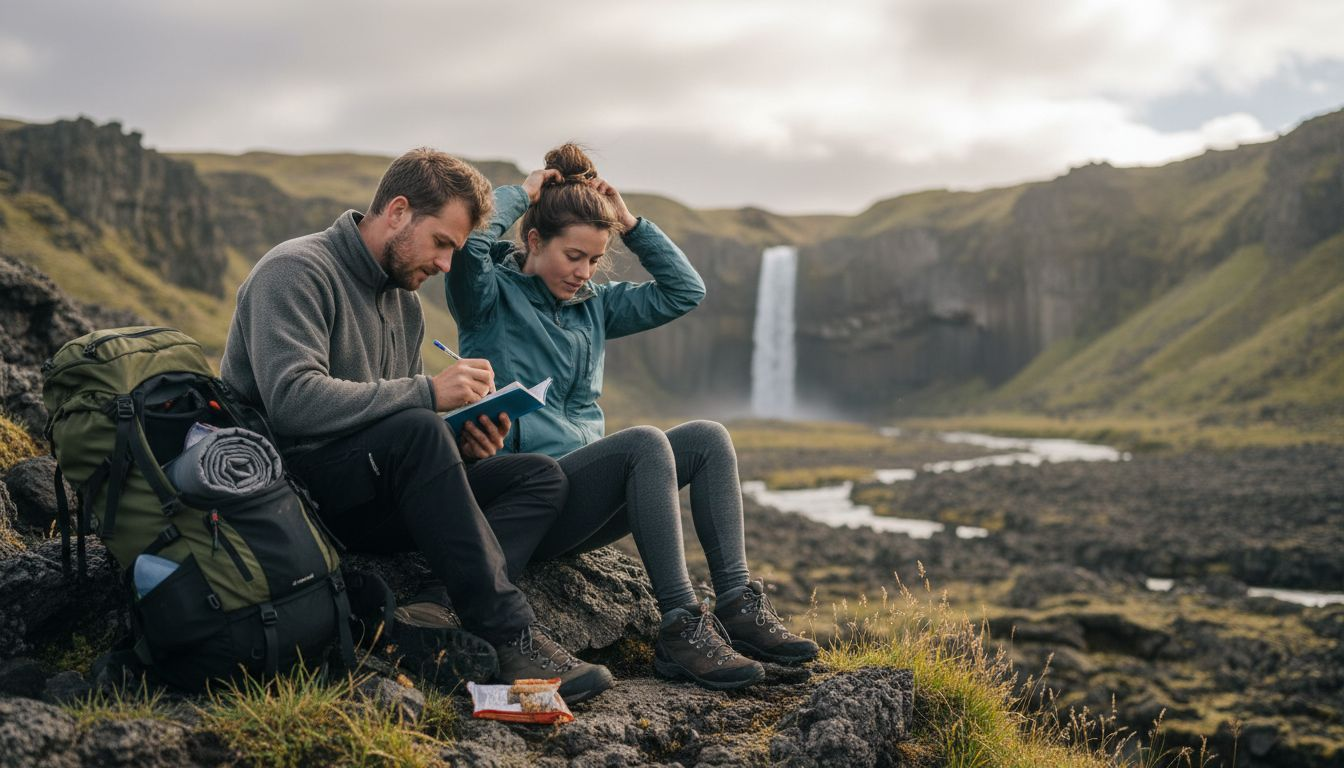
Documentary-style photography captures the unplanned moments. The fog rolling in unexpectedly. Your companion laughing at something difficult. The quiet morning before the hike begins. These unposed moments often carry the most authentic emotion.
Detail photography shouldn’t be overlooked. Macro shots of frost crystals, volcanic rock textures, or water cascading over stone add texture and variation to your visual story. They also slow you down, encouraging mindfulness during your journey.
Below is a summary of adventure travel photography types and their unique contributions:
| Type | Unique Contribution | Ideal Scenario |
|---|---|---|
| Landscape Photography | Shows environment with personal lens | Panoramic viewpoints |
| Action Photography | Captures movement and engagement | Hiking or climbing |
| Environmental Portraiture | Connects subject with environment | Standing near waterfall |
| Documentary-Style | Reveals unplanned, authentic moments | Candid trail breaks |
| Detail Photography | Highlights textures and small finds | Macro shots of ice |
The strongest adventure photography uses multiple types together, creating depth and narrative rather than relying on one approach.
Mix these types throughout your trip. Start your morning with landscape shots. Capture action as you hike. Take environmental portraits at meaningful moments. Document details you encounter. End with documentary shots of camp or quiet reflections. This variety transforms your photo collection from a catalog into a story.
Pro tip: Before each day of adventure, identify which photography type will best capture your planned activities—then actively look for opportunities in the other types too, allowing your visual story to develop organically and comprehensively.
Emotional storytelling in landscape and portraiture
Emotional storytelling separates forgettable travel photos from images that resonate years later. It’s about revealing what a moment felt like, not just what it looked like. This distinction transforms your Iceland photography from documentation into a genuine narrative.
When you practice visual storytelling through photography, you’re using specific elements to create emotional connections. Subject, light, composition, and context work together to communicate meaning about your experience. Your job is orchestrating these elements intentionally.
In landscape photography, emotional storytelling means choosing what to include and exclude. A sweeping glacier view means nothing without understanding your relationship to it. Were you exhausted reaching that viewpoint? Overwhelmed by scale? Quietly amazed? Frame the shot to hint at those feelings.
Light is your most powerful emotional tool. Golden hour light creates warmth and hope. Overcast skies evoke contemplation or melancholy. Storm light suggests drama and challenge. Use light’s emotional weight intentionally rather than just chasing technical perfection.
Emotional storytelling reveals what scenes feel like, not just what they look like.
Portraiture works differently than landscapes, but the principle remains the same. An environmental portrait of you against an Icelandic vista shows more than a selfie ever could. It shows your scale, your presence, your moment of connection with the landscape. These images carry emotional weight because they include the human element.
Composition choices communicate emotion. Wide angles can feel expansive and freeing. Tight framing creates intimacy. Leading lines can suggest journey or movement. Nothing in your frame should be accidental.
Context matters enormously. A portrait taken mid-hike tells a different story than one taken at camp. The exhaustion, determination, or joy visible in your face becomes part of the narrative. Your photographer understands how to capture these authentic moments.
Key emotional storytelling techniques include:
- Selective framing - Include details that show your emotional state, not just scenic beauty
- Authentic expression - Genuine reactions matter more than posed smiles
- Layering elements - Combine landscape, light, and human presence for depth
- Intentional timing - Capture moments that carry emotional significance
Landscape portraiture specifically combines both approaches, showing you within Iceland’s vast environment while capturing your emotional response. This creates images that viewers connect with emotionally because they see themselves in your experience.
The strongest travel photographs tell stories about transformation. You arrived as one person; the landscape changed you. Good emotional storytelling shows that arc visually.
Pro tip: Before your photographer captures a moment, pause and feel what you’re experiencing—then let that genuine emotion show in your face and posture, creating images that authentically communicate your Iceland journey to anyone who views them later.
How photographers capture authentic journeys
Authentic travel photography requires more than good equipment and technical skill. It demands intentionality, patience, and respect for the moments unfolding before the camera. Professional photographers who specialize in experiential work understand this distinction deeply.
Capturing authenticity starts with building genuine connections. Rather than treating you as subjects to photograph, experienced photographers engage with you as people on a journey. This rapport matters enormously—when you trust your photographer, your authentic self emerges naturally instead of performing for the camera.
Research and preparation form the foundation. Photographers who capture authentic travel moments explore locations thoroughly, understanding not just the scenic viewpoints but the stories those places hold. This knowledge allows them to anticipate meaningful moments and position themselves to capture what matters most.
Authentic photography prioritizes truthful representation and emotional resonance over staged perfection.
Spontaneity and observation are critical skills. Your photographer watches how light changes, how weather shifts, how your emotions evolve throughout a day. They notice the quiet moments between planned activities—the genuine laugh, the exhausted pause, the unexpected discovery. These unguarded instances carry the most emotional weight.
Key strategies photographers use include:
- Respecting your experience - Staying present without intrusive camera presence
- Using natural light thoughtfully - Supporting your story rather than dominating it
- Capturing candid interactions - Allowing real moments to unfold without direction
- Patience and timing - Waiting for genuine expressions rather than forcing them
Documentary photography methods emphasize honesty and integrity in visual storytelling. Your photographer doesn’t stage scenes or manipulate moments. Instead, they position themselves to document your authentic experience as it unfolds naturally across your Iceland adventure.
Trust is the invisible ingredient in authentic photography. When you feel comfortable being yourself—tired, excited, vulnerable, triumphant—your photographer captures your real journey. This requires someone who understands that your story matters more than perfect composition.
The strongest travel photographs reveal transformation. Your photographer documents not just where you went, but how you changed. They notice the difference between Day 1 you and Day 5 you. That evolution becomes visible in authentic imagery when photographers prioritize your genuine journey over idealized aesthetics.
Composition and framing serve your story rather than overshadowing it. Technical excellence supports authenticity; it never replaces it. Your photographer uses these skills invisibly, creating images that feel effortless while actually representing careful, thoughtful work.
Pro tip: Share your travel intentions and emotional goals with your photographer beforehand—what moments matter most to you, what you hope to feel—so they understand your personal journey and can anticipate authentic moments aligned with your deeper travel narrative.
Risks, responsibilities, and ethical practices
Experiential photography involves capturing real people in real moments. This creates ethical responsibilities that go far beyond technical or artistic concerns. When someone agrees to be photographed during their personal journey, they’re trusting you—and your photographer—with their image and story.
Informed consent is foundational. Before your trip begins, you and your photographer should discuss how images will be used. Will they appear on a portfolio website? In social media posts? On printed materials? You deserve complete clarity about where your images might appear and who might see them.
Power dynamics matter in any photographer-subject relationship. Ethical photography practices emphasize dignity as the fundamental principle, requiring photographers to respect your autonomy and agency. You should feel empowered to say no to certain shots or request that images not be shared publicly.
Ethical photography balances transparency and confidentiality while respecting participant autonomy.
Privacy and image control are your rights. Discuss what happens to images after your trip ends. Can you request that certain photos not be published? Do you have final approval over how images are shared? Clear agreements prevent misunderstandings later.
Key ethical responsibilities include:
- Clear communication - Discussing image use before, during, and after your trip
- Respecting boundaries - Honoring requests about which moments to photograph or not share
- Data protection - Ensuring images are stored securely and shared responsibly
- Cultural sensitivity - Photographing respectfully in Iceland’s communities and natural spaces
- Attribution - Proper credit if images are published or shared
Your photographer carries responsibility for safeguarding your images. Digital files should be stored securely, shared only with your permission, and protected from unauthorized access or distribution. This isn’t just professional courtesy—it’s a fundamental obligation.
Vulnerability and authenticity go hand-in-hand in experiential photography. When you’re genuinely experiencing your journey, you may be emotionally exposed. Your photographer must honor that vulnerability by protecting your privacy and using images respectfully. Authentic moments require trust.
Participatory photography ethics emphasize collaboration and informed consent throughout the entire process. You’re not passive subjects; you’re active participants in creating your visual story. Your input and approval matter at every stage.
Before booking with any photographer, ask directly about their ethical practices. How do they handle consent? What’s their image storage policy? How will your images be credited? Professional photographers who prioritize ethics will answer these questions clearly and confidently.
Pro tip: Request a written agreement outlining image use rights, storage practices, and your approval authority before your trip, ensuring you maintain control over your personal journey’s visual representation and feel confident in your photographer’s ethical standards.
Capture Your Unique Icelandic Journey with Experiential Photography
Experiential photography is all about telling your personal story through authentic and emotionally rich images. If you want to move beyond typical travel snapshots to deeply capture your feelings, challenges, and transformations while exploring Iceland’s breathtaking landscapes then you need a photographer who understands this approach. Lucy Moments PHOTOGRAPHER specializes in creating these meaningful visual stories that reflect your individual experience, combining landscape, action, and environmental portraiture tailored just for you.

Discover how to turn your adventure into a compelling narrative by working with a photographer who values authenticity over perfection. Visit Lucy Moments PHOTOGRAPHER to explore the portfolio and book your session today. The best moments in Iceland deserve more than just photographs—they deserve stories that last a lifetime. Start capturing yours now with expert guidance and heartfelt storytelling at Lucy Moments PHOTOGRAPHER.
Frequently Asked Questions
What is experiential photography?
Experiential photography is a participatory approach that captures personal lived experiences rather than just documenting a location. It focuses on emotions, discoveries, and connections made during a journey.
How does experiential photography differ from standard travel photography?
Experiential photography emphasizes the photographer’s personal journey and emotional responses in a location, while standard travel photography primarily documents landmarks and scenic views. This approach prioritizes storytelling and authentic experiences over technical perfection.
What are the key characteristics of experiential photography?
Key characteristics include authenticity over perfection, emotional resonance, personal interpretation, and narrative continuity. This means capturing real moments that convey feelings and experiences rather than just aesthetic beauty.
Why is emotional storytelling important in photography?
Emotional storytelling helps transform photos from mere documentation into genuine narratives that resonate with viewers long after the journey. It reveals the feelings associated with a moment, emphasizing personal experiences over just visual representation.