Experiential photography best practices for Iceland
Experiential photography best practices for Iceland ! Couple candid moment near Iceland waterfall Adventure travelers and couples visiting Iceland face a unique challenge: how do you capture authentic, emotional photos that truly reflect your personal journey amid some of the world's most dramatic landscapes?
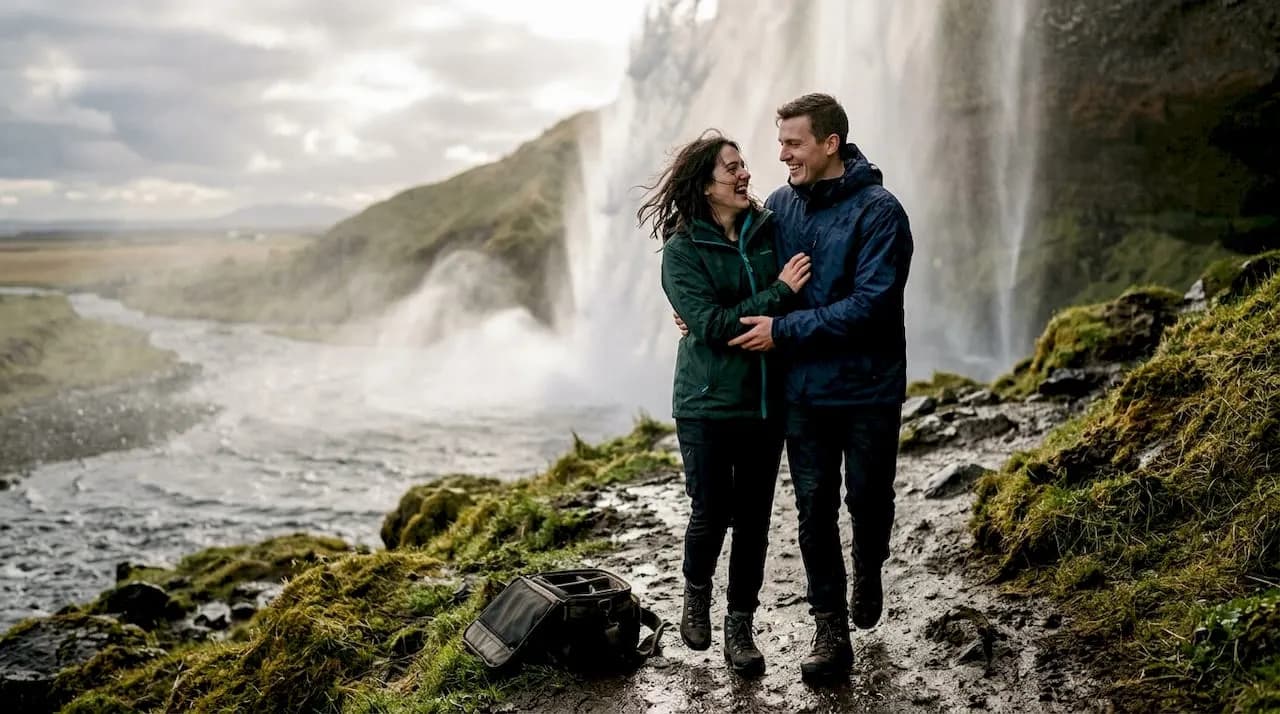
Adventure travelers and couples visiting Iceland face a unique challenge: how do you capture authentic, emotional photos that truly reflect your personal journey amid some of the world’s most dramatic landscapes? The key lies not in technical perfection, but in prioritizing genuine moments and mastering Iceland’s unique conditions. This guide reveals the best practices professional photographers use to create meaningful, personalized images that tell your story. You’ll learn how to embrace Iceland’s unpredictable weather, apply composition techniques that integrate you into vast landscapes, and use post-processing to convey the emotional resonance of your experience.
Table of Contents
- 1. Prioritize Authentic Emotions And Candid Storytelling
- 2. Harness Iceland’s Golden Hour And Dynamic Weather Conditions
- 3. Apply Composition And Mechanics To Integrate Subjects Into Landscapes
- 4. Master Post-Processing To Convey The Felt Icelandic Experience
- 5. Prepare For Iceland’s Unique Environmental Challenges
- Capture Your Iceland Adventure With Expert Photography
- Frequently Asked Questions
Key takeaways
| Point | Details |
|---|---|
| Prioritize authentic emotions | Capture candid interactions and shared activities rather than posed portraits to tell your unique story. |
| Harness golden hour light | Use Iceland’s dramatic dawn and dusk light, and embrace dynamic weather for atmospheric mood. |
| Apply smart composition | Integrate subjects into landscapes using shallow depth, leading lines, and foreground interest. |
| Master post-processing | Editing translates flat RAW captures into cinematic, emotionally evocative images. |
| Prepare for conditions | Protect gear from wind and spray, plan for crowds, and stay flexible with timing. |
1. Prioritize authentic emotions and candid storytelling
The most compelling Iceland adventure photos focus on genuine emotions and stories rather than perfect landscapes alone. When you prioritize candid moments over posed shots, you create images that resonate deeply because they capture real experiences. Think about the spontaneous laugh when wind whips through your hair, the quiet moment of awe standing before a waterfall, or the joy of discovering a hidden canyon together.
Capture shared activities that define your Iceland journey. Hiking across black sand beaches, embracing unexpected rain showers, holding hands while navigating rocky terrain, these actions tell your story far better than stiff, camera-aware poses. The goal is to document your experience within Iceland’s environment, not just place you in front of it. This approach works beautifully with Iceland’s dramatic scenery because it adds human scale and emotional context to vast, sometimes overwhelming landscapes.
Consider these storytelling elements:
- Focus on natural movement like walking, exploring, or interacting with the environment
- Capture reactions to Iceland’s weather, light, and landscapes as they happen
- Document personal connections through touch, glances, and shared experiences
- Include activities specific to your adventure, whether that’s climbing, photographing, or simply being present
Pro Tip: Schedule a pre-shoot consultation with your photographer to discuss what moments and emotions matter most to you, ensuring the shoot aligns with your personal storytelling goals and captures your unique couple photography ideas in Iceland.
Many couples worry about looking awkward or unnatural on camera. The solution lies in staying engaged with each other and your surroundings rather than the camera itself. Professional photographers excel at creating situations where you forget the lens exists, allowing authentic partner photography to emerge naturally. When you’re genuinely absorbed in your Iceland adventure, the camera simply documents what’s already happening.
2. Harness Iceland’s golden hour and dynamic weather conditions
Iceland’s unique light conditions offer extraordinary opportunities for emotionally rich photography, especially during golden hour. This magical period around dawn and dusk bathes everything in warm, flattering light that enhances emotional tone and creates depth impossible to achieve in harsh midday sun. The low angle of Iceland’s sun, particularly during shoulder seasons, extends golden hour significantly, giving you more time to capture stunning images.
Dynamic weather creates visual drama that elevates experiential photography beyond typical tourist shots. Rather than canceling shoots when conditions turn challenging, embrace wind, rain, mist, and dramatic clouds as creative opportunities. These elements add movement, atmosphere, and authenticity to your images. A couple laughing in the rain or standing against powerful wind tells a far more compelling story than perfect blue skies ever could.
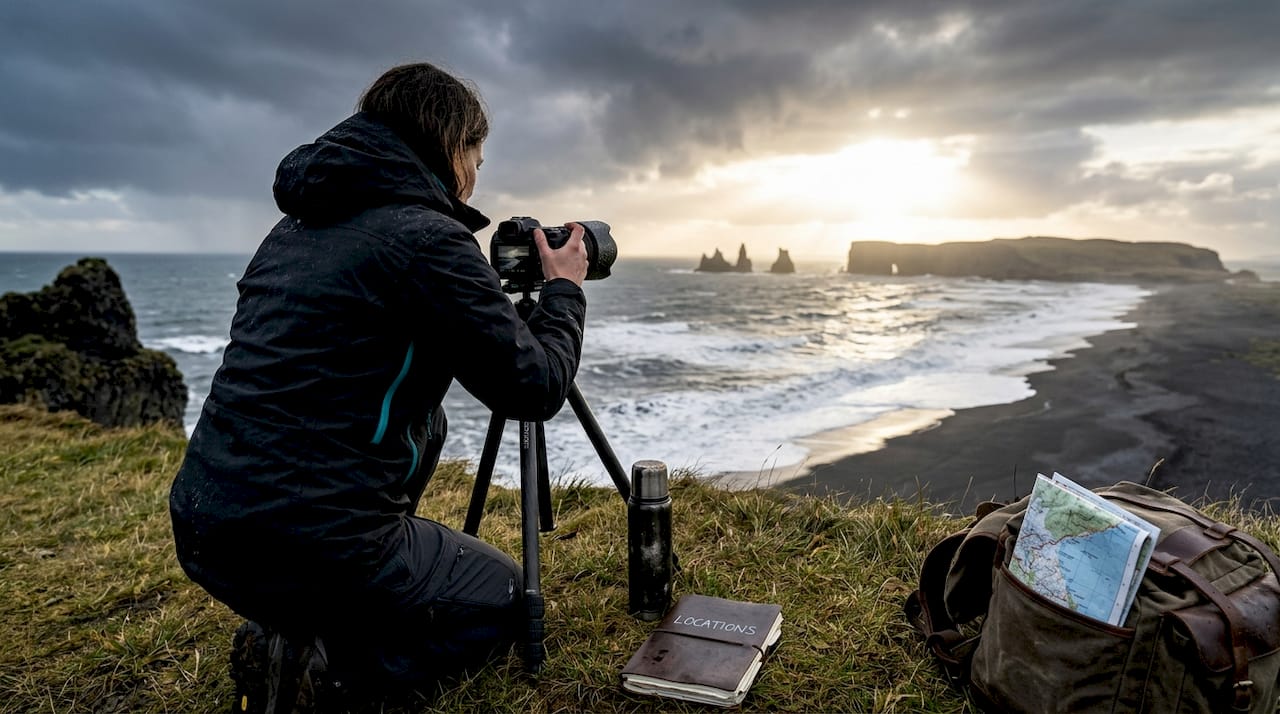
The challenge with Iceland’s often overcast conditions is that RAW images can appear flat and uninspiring straight from the camera. This is where understanding the role of light in portrait photography becomes crucial. Post-processing transforms these captures into cinematic, mood-rich images that reflect how the moment actually felt. Professional photographers know how to work with Iceland’s unique light quality, using it to create atmosphere rather than fighting against it.
Maximize your golden hour opportunities:
- Plan shoots for dawn or dusk to avoid crowds at popular locations
- Check weather forecasts but stay flexible, as conditions change rapidly
- Use overcast light for even, flattering portraits without harsh shadows
- Embrace dramatic weather as a storytelling element rather than an obstacle
Pro Tip: Iceland’s summer offers nearly 24-hour daylight with extended golden hours, while winter provides intense, low-angle light throughout the short day, each season offering distinct atmospheric qualities worth planning around.
The key is working with Iceland’s conditions rather than waiting for perfect weather that may never arrive. Experienced photographers understand how to adapt techniques to whatever nature provides, ensuring you get powerful images regardless of forecast. This flexibility transforms potential disappointments into unique visual opportunities that capture Iceland’s true character.
3. Apply composition and mechanics to integrate subjects into landscapes
Integrating people effectively into Iceland’s vast landscapes requires deliberate composition techniques that balance scale, depth, and visual flow. Shallow depth of field, typically achieved with apertures between f/2.8 and f/5.6, isolates your subjects from the background while keeping them sharp. This technique draws attention to faces and emotions while maintaining context of Iceland’s dramatic scenery in soft focus behind you.
The rule of thirds and leading lines guide viewers naturally through your images. Position subjects at intersection points rather than dead center, and use Iceland’s natural features like rivers, roads, lava formations, or shorelines to lead the eye toward you. These classical techniques prevent subjects from appearing lost or disconnected in overwhelming landscapes, creating visual harmony between human and environment.
Foreground interest adds crucial depth and context to adventure photoshoot compositions. Including elements like wildflowers, rocks, or ice formations in the near field creates layers that give images three-dimensional quality. This approach prevents flat, postcard-like results and instead creates immersive scenes that pull viewers into the moment you experienced.
Scale and perspective dramatically affect how subjects relate to landscapes:
- Wide-angle lenses (16-35mm) emphasize vastness and place subjects within grand context
- Telephoto lenses (70-200mm) compress distance, creating intimate scenes with dramatic backgrounds
- Low angles make subjects appear powerful against sky and mountains
- High perspectives show subjects within the broader landscape pattern
| Lens Choice | Effect on Composition | Best For | | — | — | | | Wide-angle (16-35mm) | Emphasizes landscape scale, shows full context | Epic environmental portraits, showing adventure scope | | Telephoto (70-200mm) | Compresses background, isolates subjects | Intimate moments, dramatic mountain backdrops | | Mid-range (35-70mm) | Balanced perspective, natural proportions | Candid storytelling, versatile compositions |
These technical choices work together to solve the fundamental challenge of experiential photography in Iceland: how do you capture human emotion and connection while honoring the magnificent environment that defines the experience? The answer lies in thoughtful integration rather than choosing between subject and setting. Your images should communicate both the personal journey and the powerful place where it unfolds.
Pro Tip: Vary your focal lengths throughout a shoot to create visual diversity in your final collection, ensuring some images emphasize your adventure while others highlight Iceland’s grandeur with you as part of the scene.
4. Master post-processing to convey the felt Icelandic experience
Post-processing is where experiential photography truly comes alive, transforming technically correct captures into emotionally resonant images. RAW files from Iceland’s often flat, overcast light can appear dull and lifeless straight from camera, missing entirely the atmosphere and mood you felt standing there. Editing bridges this gap, translating the intuitive resonance of a location and moment into visual form that others can feel.
The most effective editing prioritizes emotional truth over technical perfection. This means making intuitive choices about color, contrast, and light that evoke Iceland’s atmosphere rather than following rigid rules. A scene might call for cool, moody tones to convey the raw power of a storm, or warm, golden hues to communicate the intimacy of a quiet sunrise moment. Professional photographers who have visited locations multiple times develop unique perspectives that inform these creative decisions.
Color grading transforms the emotional impact of your images. Iceland’s landscapes offer rich opportunities for creative color work, from the deep blacks of volcanic sand to the ethereal blues of glacial ice to the warm earth tones of highland deserts. Adjusting these colors, along with contrast and luminosity, allows you to emphasize the feelings you want viewers to experience. Subtle shifts in white balance can change an image from cold and dramatic to warm and inviting.
Key post-processing techniques for experiential photography:
- Adjust exposure and contrast to create depth and dimension in flat light
- Use color grading to enhance or shift emotional mood authentically
- Apply localized edits to draw attention to subjects and important details
- Enhance textures in landscapes while keeping skin tones natural and flattering
- Use presets as starting points, then customize to match specific atmospheric conditions
The goal is not to create something fake or over-processed, but to reveal what was there in feeling if not in pixels. When you stood on that black sand beach with waves crashing and wind howling, your experience was intense and vivid. Good editing ensures the final image communicates that intensity rather than presenting a flat, lifeless record. This is why experiential photography focused on personal journeys requires both technical skill and artistic vision in post-production.
Many photographers develop signature editing styles that become recognizable across their work. This consistency comes from understanding how to interpret Iceland’s unique light and landscapes in ways that feel authentic while being visually distinctive. The editing process becomes an extension of the photographic vision, completing the translation from experience to image.
5. Prepare for Iceland’s unique environmental challenges
Iceland’s environment demands specific preparation to protect gear and ensure successful shoots. Wind and spray present constant challenges, particularly near waterfalls and along the coast. Sturdy tripods with good weight and hook systems for adding ballast prevent equipment from toppling in strong gusts. Rain covers, lens cloths, and waterproof camera bags are essential, not optional. Even on seemingly clear days, conditions can change in minutes, soaking unprepared photographers and their gear.
Flat, overcast light dominates many Iceland days, especially in winter and shoulder seasons. Rather than viewing this as a limitation, adapt by focusing on details, textures, and intimate compositions that work beautifully in soft, even light. Close-ups of ice formations, volcanic rock patterns, or quiet moments between subjects often shine in conditions that would disappoint landscape photographers seeking dramatic light. This flexibility ensures productive shoots regardless of weather.
Crowds at Iceland’s most iconic locations have grown dramatically, making timing crucial. Dawn and dusk shoots offer two major advantages: spectacular light and relative solitude. Popular spots like Seljalandsfoss, Skógafoss, or Diamond Beach can be nearly empty at 5 AM but packed by 10 AM. This timing strategy aligns perfectly with golden hour goals while solving the crowd problem simultaneously, creating opportunities for adventure travel photography without distractions.
Essential preparation for Iceland photography:
- Bring sturdy tripods and use sandbags or gear bags as ballast in wind
- Pack multiple lens cloths, rain covers, and waterproof protection for all gear
- Use ND filters for long exposures and polarizers to control glare on water and ice
- Wear crampons or traction devices when shooting near glaciers or in winter
- Check weather forecasts multiple times daily and maintain flexible scheduling
Physical preparation matters as much as gear. Iceland’s terrain can be challenging, with uneven volcanic rock, slippery moss, and steep approaches to scenic locations. Wear proper hiking boots with good ankle support and traction. Layer clothing to adapt quickly to changing conditions, and always carry waterproof outer layers even on sunny days. Your comfort directly affects your ability to relax and be present during shoots, which shows in the final images.
Pro Tip: Scout locations in advance when possible, or work with photographers who know sites intimately, allowing you to maximize limited time and avoid disappointing surprises when you arrive at a spot you’ve only seen in perfect online photos.
Capture your Iceland adventure with expert photography
Ready to create timeless memories of your Iceland journey? Working with an experienced Iceland photographer who specializes in experiential adventure and couple photography ensures your unique story gets told authentically. Professional photographers bring intimate knowledge of Iceland’s best locations, lighting conditions, and how to work with unpredictable weather to create stunning images even when conditions seem challenging. They handle all technical aspects while you focus on being present in your adventure.

Personalized consultations before your shoot ensure the photographer understands your vision, relationship dynamics, and what moments matter most to you. This preparation results in images that feel genuinely yours rather than generic tourist photos. From easy booking to final delivery of high-quality edited images, the process is designed to be smooth and enjoyable. Get in touch to discuss your Iceland adventure and start planning a photoshoot that captures your personal journey against Iceland’s breathtaking landscapes. Your story deserves to be told beautifully, and expert Iceland photography services make that happen.
Frequently asked questions
What is experiential photography and why is it ideal for Iceland adventures?
Experiential photography focuses on capturing genuine emotions, personal connections, and storytelling moments rather than posed portraits or pure landscapes. It documents your actual experience and feelings within Iceland’s dramatic environment. This approach works perfectly in Iceland because the country’s powerful landscapes naturally evoke strong emotions and create meaningful moments worth preserving authentically.
How can couples prepare for a photoshoot in Iceland’s unpredictable weather?
Wear layered, waterproof clothing in colors that complement Iceland’s landscapes, and bring sturdy, comfortable footwear suitable for varied terrain. Stay flexible with timing and trust your photographer’s experience with local conditions to adapt plans creatively. Embrace weather changes as opportunities for unique, atmospheric images rather than obstacles. Mental preparation to be spontaneous and present matters as much as physical gear.
What camera settings are best for capturing emotional moments in Iceland?
Use shallow depth of field with apertures between f/2.8 and f/5.6 to isolate subjects while maintaining landscape context. Adjust shutter speed based on whether you want to freeze action or convey natural movement through slight blur. Wide-angle lenses provide environmental context, while telephoto lenses create intimate compression with dramatic backgrounds. However, trust your photographer to handle technical settings while you focus on being authentic and present.
Why is post-processing important for experiential photography in Iceland?
Editing transforms flat RAW captures into images that match the emotional intensity and atmospheric mood you actually experienced. It allows color grading, contrast adjustments, and selective enhancements that reveal the feeling of a moment beyond what the camera captured technically. Post-processing is where the photographer’s artistic vision completes the translation from your lived experience to a powerful visual story others can feel and connect with emotionally.